South Carolina Jury Orders NCAA to Pay $18 Million to Former Player and Wife in Landmark Concussion Case
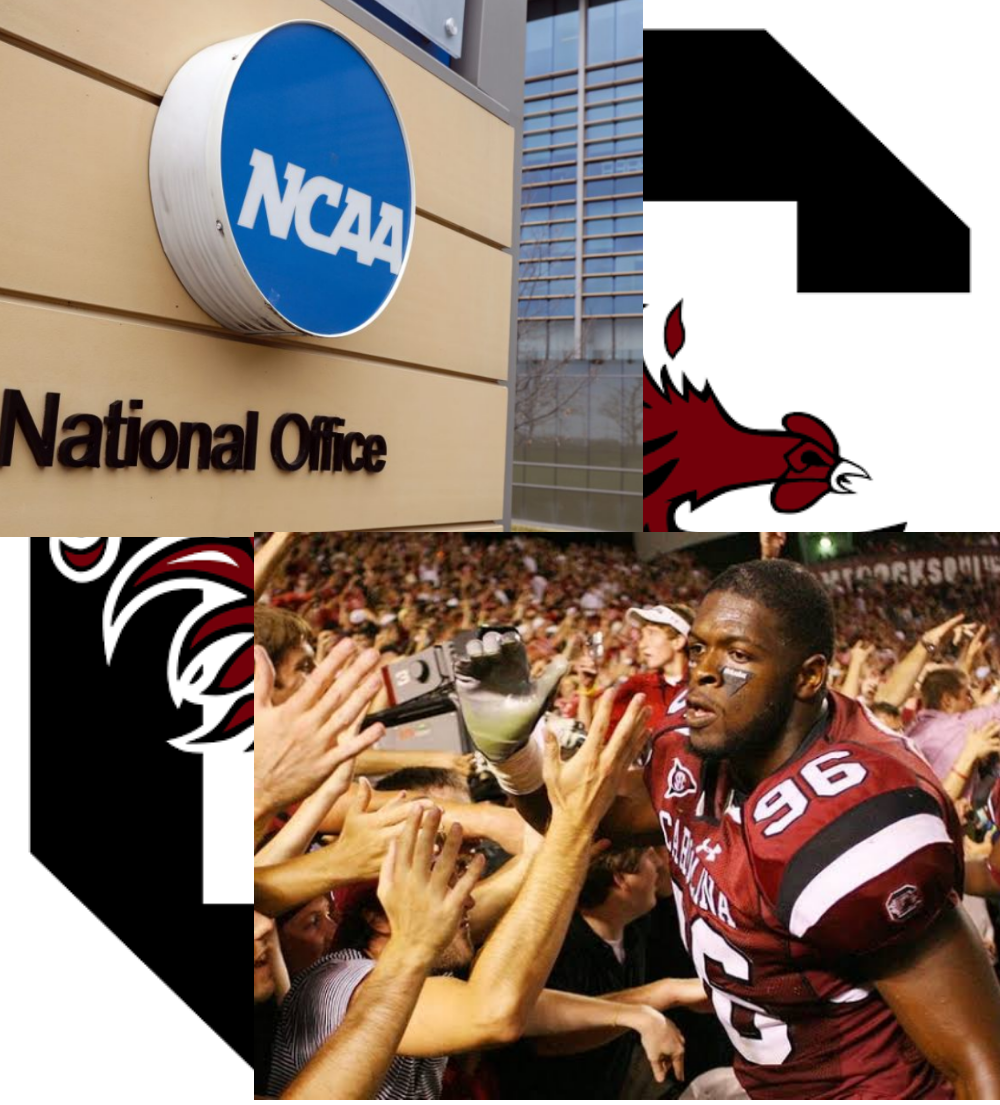
ORANGEBURG, S.C. — A South Carolina jury has ruled that the NCAA must pay a total of $18 million to former South Carolina State University football player Robert Geathers and his wife, Debra, after determining that the organization was negligent in warning athletes about the long-term dangers of concussions.
After a civil trial in Orangeburg County, jurors awarded $10 million to Robert Geathers, now 68, and $8 million to his wife. Geathers, who played as a defensive end for South Carolina State from 1977 to 1980, was later diagnosed with dementia and exhibits symptoms consistent with chronic traumatic encephalopathy (CTE) — a degenerative brain disease often linked to repeated head trauma in contact sports.
According to The Times and Democrat of Orangeburg, Geathers now struggles with daily activities like dressing himself and preparing meals. Medical experts who testified at trial said his condition was consistent with repeated head injuries sustained during his college football career.
Attorney Bakari Sellers, representing Geathers, argued that the NCAA was aware of concussion risks as far back as the 1930s but chose not to inform players or coaches.
“All of the information they knew, they withheld,” Sellers told jurors. “Their job was to keep the boys safe.”
The jury concluded that the NCAA “unreasonably increased the risk of harm” from head impacts beyond what was inherent in football and that the organization had “negligently breached their duties” to protect Geathers’ health and safety.
NCAA spokesperson Greg Johnson responded to the verdict in an email, saying the organization “disagreed with the verdict” and intends to challenge it through post-trial motions or appeal.
“The NCAA has prevailed in every other jury trial around the country on these issues,” Johnson said, adding that South Carolina State’s team “followed the knowledge that existed at the time” and that college football itself did not cause Geathers’ lifelong health problems.
NCAA attorney Andy Fletcher defended the organization during trial, arguing that head impacts are an unavoidable part of football.
“There’s going to be head-hits,” Fletcher said. “That’s inherent to the game. You can’t take head-hits out of football.”
Despite the NCAA’s defense, jurors sided with Geathers, finding that the governing body failed in its duty to protect student-athletes. After the verdict, Sellers said the ruling was a long-awaited form of justice.
“It felt good to hug Debra Geathers,” he said. “She gets to go home and tell her husband some good news.”
This ruling marks one of the largest concussion-related verdicts against the NCAA — and could signal broader accountability for how college sports address player safety.
About The Author