The SEC shattered records this December with unprecedented representation in the College Football Playoff — five teams in the expanded field. Commissioner Greg Sankey even argued the league deserved seven, and while that may spark debate among stat-minded fans, one thing is clear: the SEC was again the nation’s top conference in 2025.
Those lofty standards also contributed to a historic coaching shake-up. Six programs made changes — including Lane Kiffin, who surprisingly left playoff-bound Ole Miss for rival LSU after the regular season. Six teams finished below .500, and only two decided to retain their coaches (South Carolina and Mississippi State).
In a league where expectations border on perfection, simply making the playoff doesn’t guarantee a top-tier grade. No team finished undefeated, underscoring the relentless competition within the SEC. With the regular season officially in the books, here is a deeper look at how each program fared — and context behind their postseason grades.
Alabama – Grade: B+
Kalen DeBoer remains one of the sport’s elite coaches, but Alabama hasn’t completely recaptured the dominance of the Nick Saban era. Questions linger: have NIL and the transfer portal reduced the Tide’s trademark depth? Alabama’s biggest flaw is its inconsistent run game — a shocking reversal from Saban’s power-football identity.
On the bright side, DeBoer’s staff put together a masterful plan in the win over Georgia, snapping the Bulldogs’ 33-game home streak. However, blowout losses to Florida State (a five-win team) and the SEC title game stumble raised eyebrows. Still, with 13 players expected to return to full health for the CFP, Alabama’s grade could rise with postseason success.
Arkansas – Grade: F
After giving Sam Pittman one more chance to course-correct, Arkansas watched things collapse. Interim coach Bobby Petrino returned in bizarre fashion and proceeded to lose eight straight. The December hire of Ryan Silverfield signaled a total reset.
The Razorbacks invested heavily in offensive upgrades via NIL but ignored a deeply flawed defense. The result? A fun offense led by Taylen Green that constantly imploded because the defense couldn’t stop anyone.
Auburn – Grade: D-
The early 2020s will be remembered as a disastrous era for Auburn football. After the Bryan Harsin debacle, the Tigers turned to Hugh Freeze, hoping he could recreate past magic. Instead, Freeze repeatedly insisted Auburn was “close” — a claim that grated on fans as results worsened.
He struggled with quarterback evaluations, failed to develop talent, and leaned too heavily on DC DJ Durkin. Freeze was fired mid-season, and Durkin, serving as interim, produced similar results. Auburn is eager to forget this stretch ever happened.
Florida – Grade: D
Billy Napier received patience and support from Florida administrators, but never met expectations. Despite a roster filled with talent — including standout QB DJ Lagway — the Gators never found consistency. Culture issues, development problems, and shaky game management all factored into Napier eventually landing back in the Sun Belt.
A win over Texas and a competitive effort against Georgia prevent this from being an outright failing grade.
Georgia – Grade: A-
Losing to Alabama at home stung, but avenging that defeat in the SEC Championship restored the Bulldogs’ momentum. Quarterback Gunner Stockton emerged as a steady leader, while the defense improved steadily thanks to tweaks Kirby Smart implemented midseason.
Georgia earned a first-round CFP bye and enters the postseason among the favorites, armed with perhaps the best coach in the field.
Kentucky – Grade: D
Mark Stoops, the winningest coach in Kentucky history, couldn’t adapt to the NIL era or solve the quarterback position. Despite beating Florida, the Wildcats finished 5–7 and endured a humiliating loss to Louisville. Two years removed from nearly taking the Texas A&M job, Stoops’ tenure ended in decline.
LSU – Grade: D-
This grade stands for “Disaster.” Brian Kelly inherited a premier job and squandered it. LSU’s offense — despite elite talent — ranked shockingly low across major categories. Kelly was fired before season’s end.
The defense improved under Blake Baker, but seven wins at LSU simply isn’t acceptable. Lane Kiffin takes over with the task of erasing the Kelly era from memory.
Mississippi State – Grade: C-
The Bulldogs appeared primed for a breakthrough after beating Arizona State, but an overtime loss to Tennessee triggered a 1–7 collapse to finish 5–7. They reached a bowl only because nine teams withdrew from eligibility.
Their explosive offense often disappeared for long stretches, and the defense struggled badly — ranking 117th in rushing yards allowed. Jeff Lebby made waves by hiring former head coach Zach Arnett as defensive coordinator for next year.
Missouri – Grade: B
The Tigers posted another solid 8–4 season but again failed to beat top SEC competition (0–4 vs ranked teams). Eli Drinkwitz parlayed his reputation into a new contract, but Missouri still hasn’t reached the SEC title game.
The offense sputtered after quarterback injuries, but the run game thrived behind Ahmad Hardy — though he fell short in Heisman contention against better defenses.
Oklahoma – Grade: B+
With Brent Venables under pressure, he took over the defense and brought in a rising OC. The result: a dramatic defensive turnaround and a late-season upset over Alabama that secured an at-large CFP berth.
Injuries to QB John Mateer slowed the offense, but both units improved overall. The Sooners return to the playoff with confidence.
Ole Miss – Grade: A
The Rebels won a school-record 11 regular season games and reached the playoff for the first time. Quarterback Trinidad Chambliss emerged as a star, and Ole Miss destroyed Tulane 45–10 earlier in the season.
But Lane Kiffin disrupted the momentum by leaving for LSU after weeks of silence and negotiations. New coach Pete Golding hopes to guide the Rebels to a national title and restore the positive vibes.
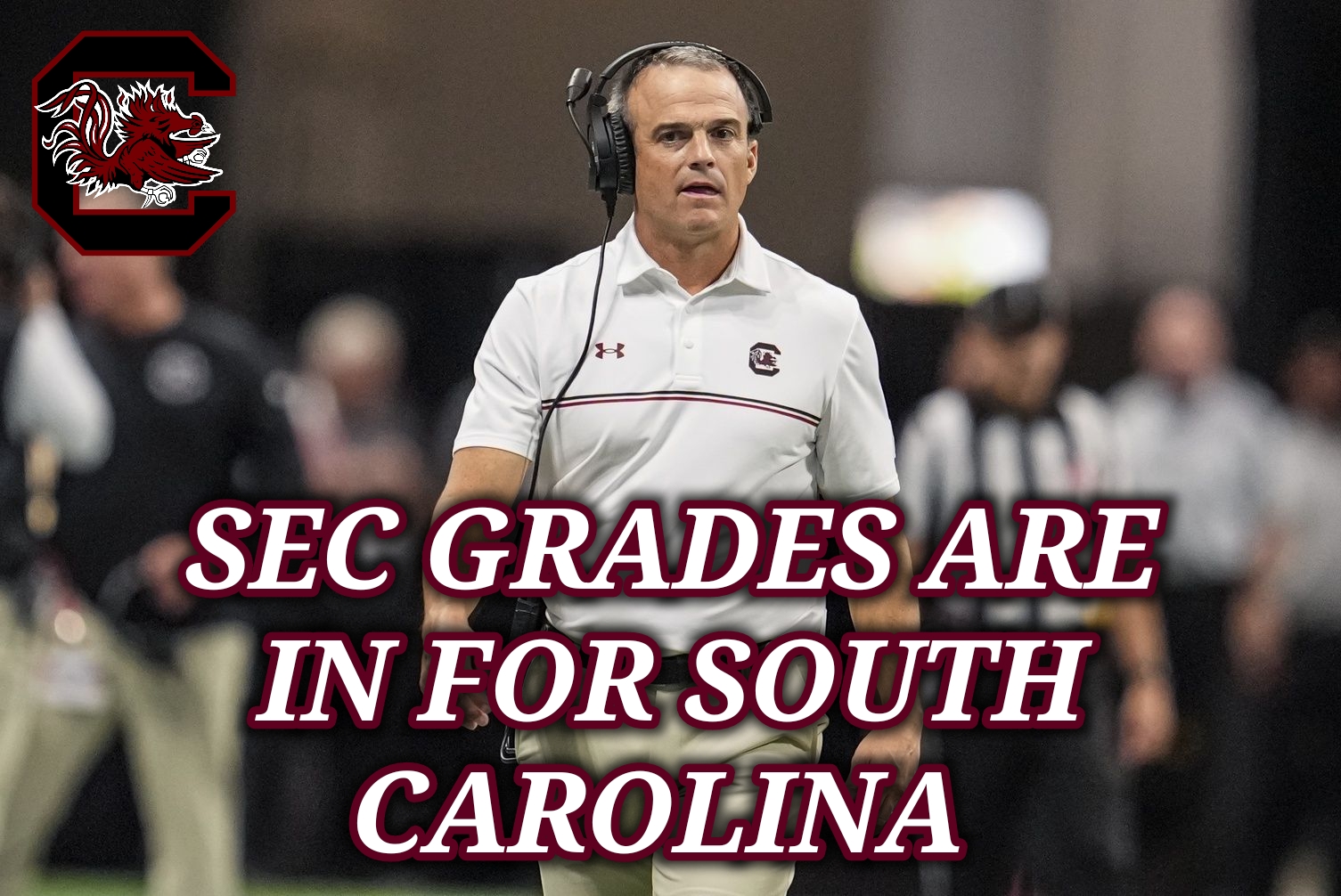
South Carolina – Grade: D
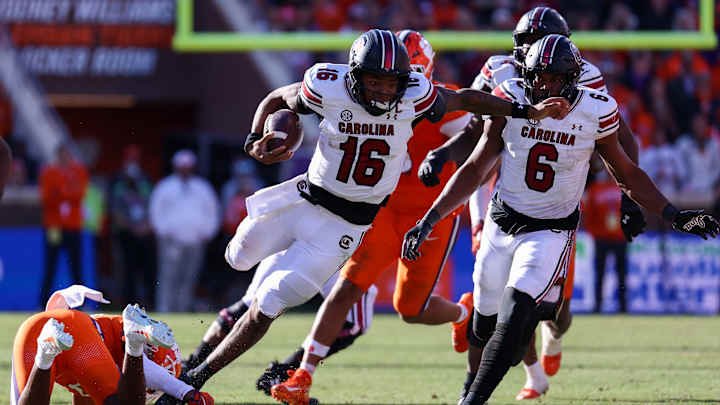
The Gamecocks faced a brutal schedule, but Shane Beamer — usually capable of pulling off an upset or two — couldn’t deliver this fall. Even with Heisman sleeper LaNorris Sellers returning, South Carolina went 0–6 against ranked opponents, including a stretch against five straight top-15 teams (four of which made the CFP).
The offense struggled badly, ranking 102nd or worse in major statistical categories, and the team was one of the most penalized in the nation. A 4–8 record marks the second losing season in three years and the fewest SEC wins since 2015.
Tennessee – Grade: B
Viewed as a rebuilding year, the Vols still managed eight wins and nearly upset Georgia. Defensive issues — especially in the secondary — held them back, ranking 113th against the pass. But QB Joey Aguilar powered a top-10 offense that helped stabilize the season.
Fans already expect a playoff push next year.
Texas – Grade: B
Texas opened the year ranked No. 1 but immediately stumbled against Ohio State. Arch Manning needed half a season to adjust, but caught fire late, capped by a win over Texas A&M.
National media may view 2025 as a disappointment, but Sarkisian showed encouraging progress. However, Texas must reach the CFP next season to justify expectations.
Texas A&M – Grade: A
Year 2 of the Mike Elko era produced major improvement. The Aggies nearly reached the SEC title game before falling to rival Texas. Their offense ranked among the best nationally, but defensive inconsistency allowed too many explosive plays.
Those lapses could be costly in the CFP matchup against Miami’s seasoned quarterback Carson Beck and breakout receiver Malachi Toney.
Vanderbilt – Grade: A+
This was the greatest season in Vanderbilt history. Though the Commodores fell short of the playoff, QB Diego Pavia became a Heisman finalist and led Vandy to a high-tier bowl game. The program also flipped five-star QB Jared Curtis from Georgia — a massive recruiting win.
Clark Lea has built a foundation for long-term success, and Vanderbilt enters the future with real momentum.