MiLaysia Fulwiley’s Struggles in LSU Loss Spark Dawn Staley Coaching Vindication Discussion
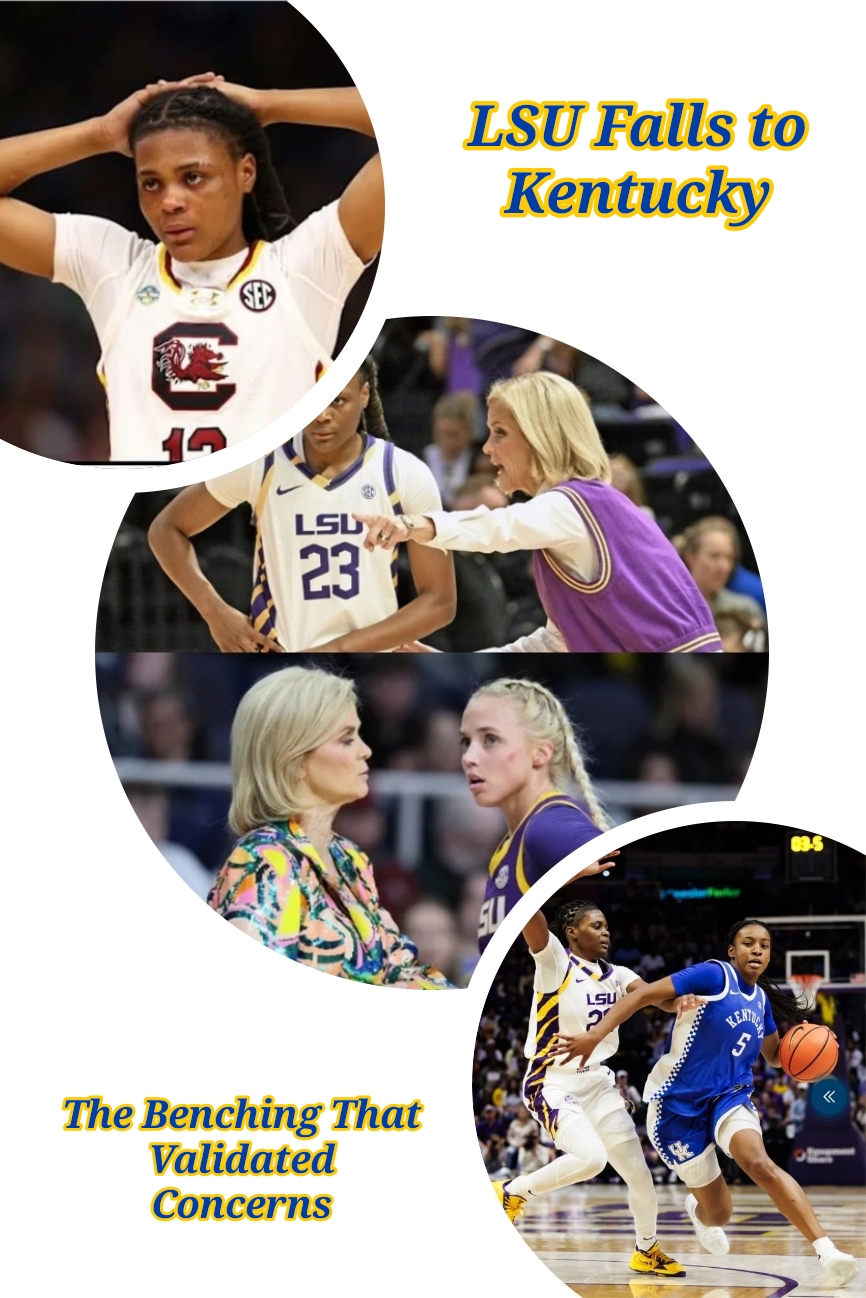
Baton Rouge, LA — Former South Carolina star MiLaysia Fulwiley’s challenging performance in LSU’s loss to Kentucky has reignited conversations about coaching approaches and player development, with many Gamecock fans feeling vindicated regarding Dawn Staley’s handling of the talented but inconsistent guard during her time in Columbia.
LSU Falls to Kentucky
The defeat to Kentucky added immediate disappointment to Fulwiley’s LSU debut, as the Tigers were unable to secure a victory in what was supposed to mark the beginning of a new chapter for both the player and program. The loss highlighted LSU’s struggles to establish consistency and execute effectively in crucial moments—issues that were compounded by Fulwiley’s decision-making lapses.
Kentucky capitalized on LSU’s mistakes and inefficient play, with the Wildcats delivering a performance that exposed vulnerabilities in the Tigers’ roster and raised early questions about how quickly the team can develop chemistry and discipline with new additions like Fulwiley.
The Benching That Validated Concerns
During the Kentucky game, Fulwiley made a critical error that prompted head coach Kim Mulkey to immediately substitute her out in favor of Jada Peck. The quick hook drew immediate comparisons to similar situations during Fulwiley’s South Carolina tenure when Staley employed identical disciplinary measures.
“I hate to be the one that brings up old stuff but a lot of y’all were mad at Dawn when she did that,” one observer noted, referencing the criticism Staley faced from some fans when benching Fulwiley for poor decisions or undisciplined play.
The parallels between Mulkey’s and Staley’s approaches—now validated by the loss to Kentucky—have prompted reflection within the South Carolina community about whether criticisms of Staley’s coaching methods were warranted or if they misunderstood the developmental challenges Fulwiley presented.
The Pattern of Inconsistency
Fulwiley’s performance against Kentucky revealed familiar patterns that South Carolina fans recognize from her Gamecock days—flashes of brilliance interrupted by decision-making lapses that undermine overall effectiveness and, in this case, contribute to a team loss.
“Milaysia may have had a bad game yesterday but, as a SC fan, we know she always bounces back,” one supporter acknowledged, reflecting the optimism that has always surrounded Fulwiley’s potential. “Unfortunately for LSU, she reverted back to some of her infamous poor decision making and paid the price by sitting on Mulkey’s bench.”
The comment captures the duality of Fulwiley’s game—exceptional talent and athleticism paired with decision-making inconsistency that has frustrated coaches throughout her career. Against Kentucky, those inconsistencies proved costly as LSU needed every player executing at a high level to secure victory.
The Cost of Poor Decisions
The loss to Kentucky underscored why coaches like Staley and Mulkey respond immediately to undisciplined play—individual mistakes accumulate into team defeats. Fulwiley’s benching wasn’t merely about teaching a lesson but about giving LSU the best chance to win by inserting a player making better decisions in crucial moments.
That LSU ultimately lost the game adds weight to the coaching decisions made during it. Mulkey’s quick substitution of Fulwiley demonstrated that even elite talent must be held accountable when their play undermines team success—a principle Staley consistently enforced at South Carolina despite facing criticism for it.
Defending Staley’s Developmental Approach
The LSU loss and Fulwiley’s struggles have prompted many South Carolina supporters to publicly defend Staley’s coaching methods, arguing that the issues weren’t about stifling talent but about teaching discipline and efficiency necessary for winning basketball.
“For SC folks who are still fans of Lay, most of us are saying that she wasn’t being held back because of Dawn Staley,” the assessment continued. “At times, Milaysia can be her worse enemy when she plays undisciplined, inefficient basketball.”
This perspective suggests that Staley’s demanding standards—which sometimes resulted in reduced playing time when Fulwiley made poor decisions—weren’t about personal conflicts or misunderstanding her abilities but rather about teaching the habits necessary for sustained excellence and team victories.
The observation that Fulwiley “can be her worse enemy” when playing undisciplined basketball reflects recognition that talent alone doesn’t guarantee success, particularly when individual mistakes contribute to team losses like the Kentucky defeat.
Maintaining Perspective on Elite Talent
Despite the challenging debut and the loss to Kentucky, supporters remain confident in Fulwiley’s long-term potential and professional prospects.
“She is still a great player and a future number 1 pick,” the analysis concluded, maintaining belief in her ultimate trajectory despite current struggles.
This balanced perspective acknowledges both Fulwiley’s exceptional abilities—the athleticism, creativity, and scoring capability that make her a legitimate WNBA prospect—and the developmental areas that require continued attention regardless of which program she represents.
The Immediate Reality
The candid assessment of Fulwiley’s LSU debut was direct: “However I will say Lay has not had her best game tonight.”
The underwhelming performance, combined with Mulkey’s quick substitution following a mistake and LSU’s ultimate loss to Kentucky, suggests that the challenges Fulwiley faced at South Carolina weren’t unique to that program or coaching staff but rather reflect developmental areas that require addressing regardless of environment.
Kentucky’s Victory Statement
For Kentucky, the victory over LSU represents a significant early-season accomplishment—defeating a ranked opponent and exposing vulnerabilities that LSU must address moving forward. The Wildcats’ ability to capitalize on LSU’s mistakes and inefficient play demonstrated the importance of disciplined execution in SEC competition.
The loss serves as an early wake-up call for LSU and Mulkey about the work required to integrate new pieces like Fulwiley while maintaining the defensive intensity and offensive efficiency necessary to compete for championships.
Broader Implications
The situation offers lessons about player development, coaching approaches, and fan expectations. Staley’s demanding standards—which drew criticism when applied to Fulwiley at South Carolina—now appear validated as another elite coach employs similar methods when confronting similar decision-making issues, with the added context that those issues contributed to an actual loss.
For South Carolina fans who defended Staley’s approach, the LSU defeat provides vindication. For those who questioned whether Staley was holding Fulwiley back, it offers evidence that the issues transcended coaching philosophy and reflected legitimate developmental concerns about consistency and decision-making that, when unaddressed, can cost teams victories.
The Path Forward
Fulwiley remains an exceptional talent with professional potential, but her LSU debut and the loss to Kentucky reinforced that maximizing that potential requires the disciplined, efficient basketball that both Staley and Mulkey demand—and that neither coach will compromise standards to accommodate inconsistency, regardless of a player’s talent level.
For LSU, the challenge becomes helping Fulwiley develop the consistency and decision-making necessary to complement her elite physical tools while integrating her into a team system that can compete for SEC and national championships. The loss to Kentucky demonstrates the urgency of that developmental process and the consequences when it remains incomplete.
The early-season defeat serves as a reminder that in championship-level basketball, talent must be paired with discipline, and individual brilliance must serve team success—lessons that Dawn Staley taught at South Carolina and that Kim Mulkey now reinforces at LSU.
About The Author