South Carolina Football’s Salary Surge: A Deep Dive into the Gamecocks’ Coaching Investment
Examining the Dramatic Rise in Coaching Compensation and What It Means for the Program
In the ever-escalating arms race of college football, few metrics illustrate the sport’s financial evolution more starkly than coaching salaries. South Carolina’s 2026 coaching staff payroll offers a compelling case study in how dramatically the economic landscape has shifted—and raises important questions about value, performance, and sustainability.
The Shane Beamer Salary Explosion
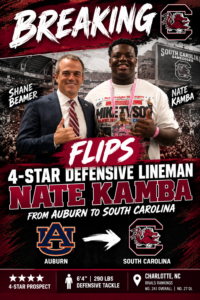
South Carolina head coach Shane Beamer will earn $8.2 million in 2026, a figure that represents one of the most dramatic salary increases in recent college football history. To put this in perspective, when Beamer was hired in 2021, his first-year compensation was $2.75 million.
That’s an increase of nearly 200 percent in just five years—a growth rate that dwarfs even the impressive 80 percent gain of the S&P 500 during the same period. While inflation has affected consumer prices across the board, the escalation in coaching salaries has been, in a word, astronomical.
The Assistant Coach Arms Race
The head coach’s salary increase, while eye-popping, tells only part of the story. Perhaps even more revealing is what’s happened to assistant coach compensation at South Carolina during Beamer’s tenure.
When Beamer assembled his initial staff in 2021, the 10 on-field assistants earned a combined $4.88 million annually—a figure that seemed substantial at the time. By 2026 standards, however, that original staff looks remarkably economical. This year’s assistant coaching staff will command a combined $10 million, representing more than a 100 percent increase.
The composition of that 2021 staff reflected a different era in college football economics. Only three assistants earned more than $500,000: defensive coordinator Clayton White at $900,000, offensive coordinator Marcus Satterfield at $900,000, and offensive line coach Greg Adkins at $550,000. The remaining seven assistants were spread across a range from $200,000 to $460,000.
Fast forward to 2026, and the salary floor has risen dramatically. Only one assistant—defensive line coach Travian Robertson at $550,000—will earn less than $650,000 this season. Every other position coach commands at least mid-six figures, reflecting the premium now placed on retaining quality assistants in an increasingly competitive market.
The Million-Dollar Club
Perhaps nothing better illustrates the new economic reality than the emergence of seven-figure assistant coach contracts at South Carolina. The Gamecocks will employ three assistants earning at least $1 million in 2026:
- Clayton White (Defensive Coordinator/Inside Linebackers Coach): $2 million
- Kendal Briles (Offensive Coordinator/Quarterbacks Coach): $2 million
- Torrian Gray (Co-Defensive Coordinator/Defensive Backs Coach): $1 million
Gray’s ascension is particularly noteworthy. When he joined Beamer’s staff in 2021 as defensive backs coach, he earned $350,000. His recent $150,000 raise pushed him into the million-dollar threshold—a nearly 186 percent increase since joining the program.
White’s journey is equally remarkable. His salary has more than doubled from $900,000 to $2 million, rewarding his consistency and the defensive success South Carolina has enjoyed under his leadership.
The Performance Paradox
Here’s where the narrative becomes more complex and potentially controversial: South Carolina’s assistant coaching payroll increased by over $1 million between 2025 and 2026, despite the team finishing with a disappointing 4-8 record in 2025.
This apparent contradiction—rewarding a losing season with increased spending—requires context. Following the Gamecocks’ impressive nine-win regular season in 2024, every on-field assistant received both an extension and a raise, pushing the 2025 assistant pool to $8.69 million. Those commitments were made based on success, not on what would transpire the following year.
The 2025 collapse necessitated changes. The Gamecocks parted ways with offensive coordinator Mike Shula, offensive line coach Lonnie Teasley, and running backs coach Marquel Blackwell (all fired), while edge coach Sterling Lucas departed for LSU. These weren’t mere position shuffles—they were admissions that something had gone fundamentally wrong.
The Cost of Making Changes
Replacing unsuccessful coaches in today’s market comes at a premium. With the exception of new edge coach Deion Barnes, each replacement hire commands a higher salary than his predecessor. The most dramatic increase involves Kendal Briles, the new offensive coordinator, who will earn $2 million—a staggering $900,000 more than Shula made in 2025.
This creates an interesting economic dynamic: failure becomes more expensive to fix. When assistants don’t perform and need to be replaced, universities often find themselves paying more for the next candidate, driven by market competition and the perception that “you get what you pay for.”
The Full 2026 Staff Breakdown
South Carolina’s 2026 Coaching Staff Salaries:
- Shane Beamer, Head Coach — $8.2 million
- Clayton White, Defensive Coordinator/Inside Linebackers Coach — $2 million
- Kendal Briles, Offensive Coordinator/Quarterbacks Coach — $2 million
- Torrian Gray, Co-Defensive Coordinator/Defensive Backs Coach — $1 million
- Joe DeCamillis, Associate Head Coach/Special Teams Coordinator — $850,000
- Stan Drayton, Assistant Head Coach – Offense/Running Backs Coach — $775,000
- Shawn Elliott, Run Game Coordinator/Tight Ends Coach — $775,000
- Randy Clements, Offensive Line Coach — $725,000
- Deion Barnes, Defensive Ends/Outside Linebackers Coach — $675,000
- Mike Furrey, Passing Game Coordinator/Wide Receivers Coach — $650,000
- Travian Robertson, Defensive Line Coach — $550,000
Total Assistant Pool: $10 million
Total Coaching Budget: $18.2 million
Comparing Then and Now
The contrast with Beamer’s inaugural 2021 staff is stark:
South Carolina’s 2021 Coaching Staff Salaries:
- Shane Beamer, Head Coach — $2.75 million
- Clayton White, Defensive Coordinator/Inside Linebackers Coach — $900,000
- Marcus Satterfield, Offensive Coordinator — $900,000
- Greg Adkins, Offensive Line Coach — $550,000
- Justin Stepp, Wide Receivers Coach — $460,000
- Pete Lembo, Associate Head Coach/Special Teams Coordinator — $450,000
- Mike Peterson, Defensive Ends/Outside Linebackers Coach — $420,000
- Torrian Gray, Defensive Backs Coach — $350,000
- Jimmy Lindsey, Defensive Line Coach — $350,000
- Montario Hardest, Running Backs Coach — $300,000
- Erik Kimrey, Tight Ends Coach — $200,000
Total Assistant Pool: $4.88 million
Total Coaching Budget: $7.63 million
The total coaching budget has increased by 138 percent in five years—from $7.63 million to $18.2 million.
The Bigger Picture: What’s Driving This?
Several factors have converged to create this salary explosion:
1. Revenue Growth: College football television contracts have ballooned, providing athletic departments with unprecedented resources.
2. Transfer Portal: The ability of coaches to leave for better opportunities has created a competitive market where retention requires constant raises.
3. NIL Era: As players gain compensation, universities feel pressure to ensure coaches are equally well-compensated.
4. Conference Realignment: The SEC’s dominance and media deals mean member schools have more money to spend—and must spend it to remain competitive.
5. Arms Race Mentality: No school wants to be left behind, creating a cycle where each salary increase triggers matching increases elsewhere.
Sustainability Questions
The trajectory raises obvious questions about long-term sustainability. Can universities continue increasing coaching salaries at 15-20 percent annually? What happens when the next media rights deal doesn’t produce similar windfalls? And most importantly, does this spending actually correlate with success?
South Carolina’s situation illustrates the tension: they’re spending significantly more than five years ago but haven’t achieved dramatically better results. The nine-win 2024 season was excellent, but the 4-8 collapse in 2025 suggests that spending alone doesn’t guarantee success.
The Return on Investment
For South Carolina fans and administrators, the ultimate question is whether this investment will pay dividends. The 2026 staff represents a significant bet—nearly $20 million in total compensation—that the right combination of coaches can elevate the program to sustained SEC competitiveness.
Beamer’s job security likely depends on whether this expensive roster of assistants can translate their credentials and salaries into wins. The margin for error has shrunk proportionally with the investment.
Conclusion
South Carolina’s coaching salary evolution mirrors broader trends in college football but also highlights the specific challenges facing programs trying to compete in the sport’s most competitive conference. The investment is substantial, the expectations are high, and the pressure to deliver results has never been greater.
Whether this represents smart investment or unsustainable escalation will be determined on the field. But one thing is certain: the days of bargain coaching staffs in major college football are definitively over. For South Carolina and programs like it, competing now requires not just money, but unprecedented amounts of it—and the willingness to spend even more when things don’t go according to plan.
The question isn’t whether South Carolina will spend more in the future. It’s whether they can spend smarter.
About The Author