DURHAM, N.C. — What Duke University’s athletic department has accomplished across the 2025-26 academic year is not just a program milestone or a conference record. It is a feat that places the Blue Devils in the most exclusive company in the history of Power Four college athletics — a triple-crown achievement that no ACC school had ever previously managed in over seven decades of conference history.
Duke became the first ACC school to capture a football, men’s basketball, and women’s basketball championship in the same academic year. The Blue Devils join Ohio State in 2009-10 and Georgia in 1982-83 as the last three Power Four schools to accomplish the feat. In a conference that has produced some of the most storied programs in the history of college sports, no one had ever done what Duke just did — until now.
The First Piece: Football Claims the ACC Crown
The foundation of Duke’s historic triple was laid on the gridiron in December 2025. Duke captured its eighth ACC Championship and first outright title since 1962 with a thrilling 27-20 overtime victory against No. 16 Virginia in Charlotte on December 6. The Blue Devils finished at 9-5 overall and 6-2 in ACC play — a season defined as much by the program’s continued upward trajectory as by the championship itself.
Duke became the first ACC school to capture league titles in men’s basketball, women’s basketball, and football — a sentence that, given the century of combined history among those three sports in Durham, carries genuine weight. The football program had not won an outright conference title since the Eisenhower administration. Under head coach Manny Diaz, they reclaimed it in dramatic fashion and set the stage for everything that followed.
The Second Piece: Women’s Basketball Defends Its ACC Title
The women’s basketball program, under third-year head coach Kara Lawson, delivered what may have been the most dramatic championship of the three. Duke claimed its 10th ACC Tournament title in program history, becoming the first repeat champion since NC State won back-to-back titles in 2020 and 2021.
The path to the title was anything but comfortable. Coach Kara Lawson’s Blue Devils entered the NCAA Tournament with confidence, having won 21 of 23 games since a 3-6 start. That turnaround — from a program that appeared to be struggling in the season’s opening weeks to a conference champion — is one of the most remarkable in-season transformations in recent ACC women’s basketball history.
The championship game itself was a masterclass in resilience. Taina Mair had 19 points and 12 rebounds, and Delaney Thomas also scored 19 as Duke rallied to defeat No. 12 Louisville 70-65 in overtime. Thomas’ layup with four seconds left in regulation tied the game at 60-all and sent it to overtime after Louisville had held the lead for 35 of 40 minutes. In overtime, a Thomas layup at the 3:20 mark put the Blue Devils ahead for good, and Riley Nelson drained a corner three with six seconds remaining to ice the victory.
Mair was named MVP of the tournament. Her leadership throughout the postseason run encapsulated everything Lawson had been building toward — a senior who refused to allow her team to lose when the moment was largest.
“The way we started the season and ended it, you could write a story,” Mair said afterward. She is right. Very few stories in women’s college basketball this season have been more compelling.
Duke’s strength is its mindset — a team that never knows it’s beaten is a team that will win a lot of games, as The Duke Chronicle observed after the title run. That quality was never more evident than on the championship floor in Duluth.
The Third Piece: Men’s Basketball Repeats as ACC Champions
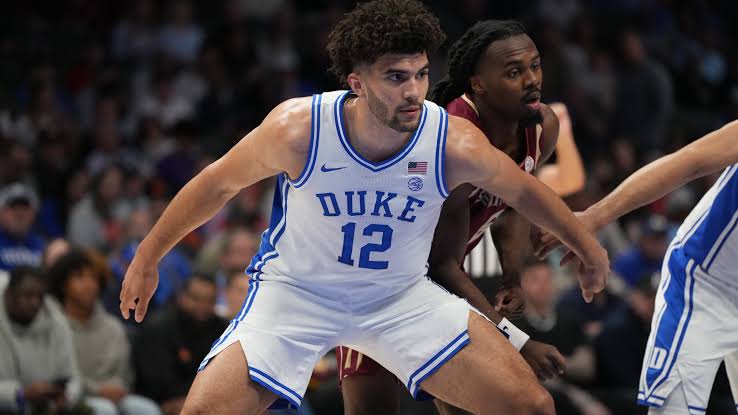
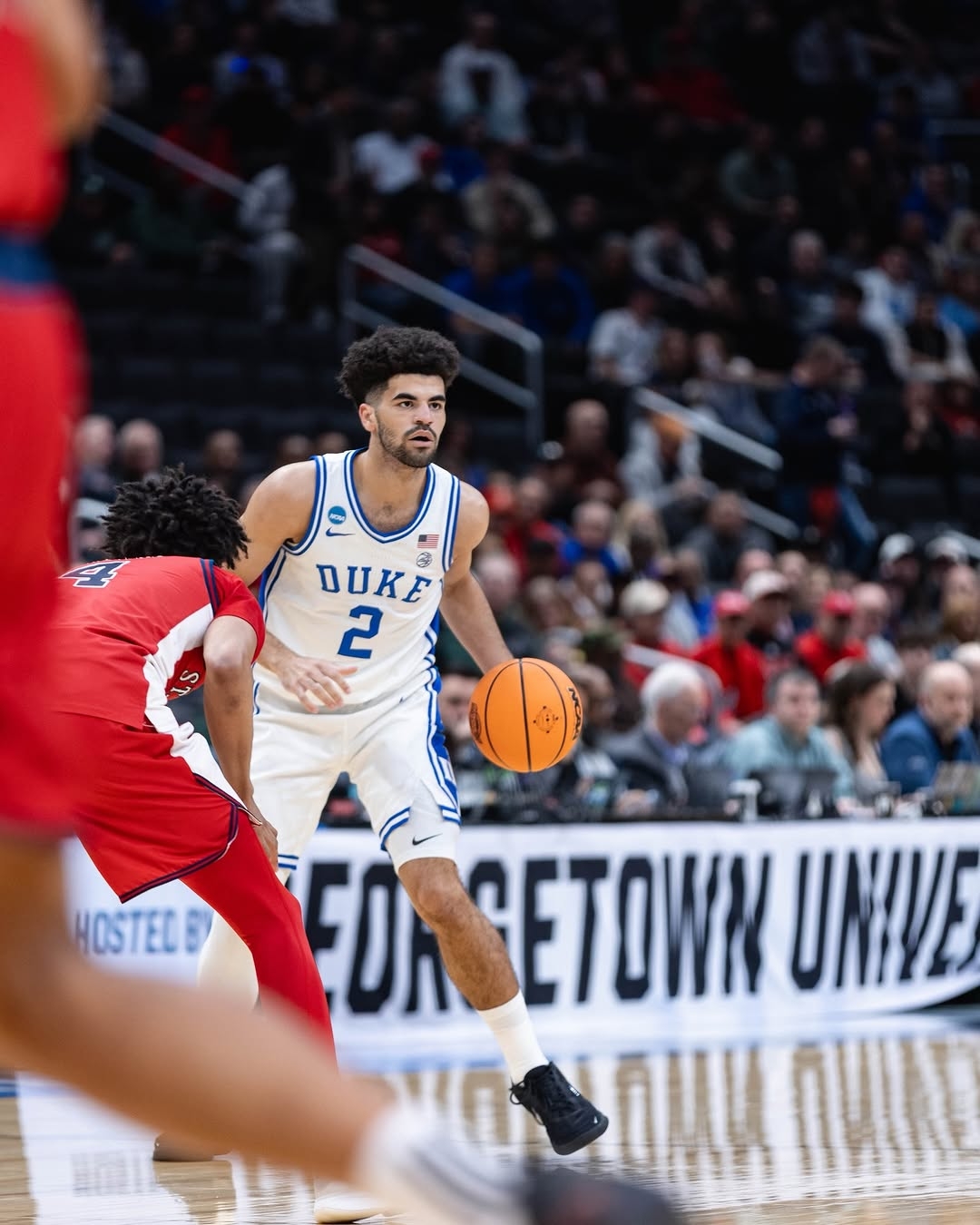
The final act of Duke’s historic triple arrived Saturday evening in Charlotte, where the men’s basketball program completed what had been an extraordinary season from start to finish. Isaiah Evans finished with a team-high 20 points, including the final two on free throws with 12 seconds remaining. Cameron Boozer tallied 13 points, eight assists and eight rebounds, while Cayden Boozer finished with 16 points, four assists and five rebounds.
The Blue Devils finished the regular season 31-2 overall and 17-1 in the ACC, ranking first in the March 9th AP poll. The resume was as complete as any program in the country — a dominant regular season, a conference tournament crown, and a team that never appeared to be in genuine danger of losing its grip on the top of the national landscape.
Duke has won five of the last nine ACC Tournaments that have been completed, and has won 42 of its last 44 games against conference opponents. Across the last two seasons, Duke owns the best record in Division I college basketball at 67-6 (.918). Those are not the numbers of a program on an upward trajectory. They are the numbers of a dynasty in full operation.
What It All Means
The broader significance of Duke’s triple crown extends beyond the hardware. It speaks to an athletic department operating at a level of sustained excellence across multiple sports simultaneously — a challenge that most programs, even elite ones, find extraordinarily difficult to manage. Recruiting pipelines, coaching talent, facility investment, and institutional support must all function at the highest level concurrently to produce results like these.
Duke’s teams hold the longest streak of consecutive ACC Championships in women’s tennis, women’s golf, men’s basketball at five straight, women’s basketball at five straight, and volleyball. The depth of excellence across the Blue Devils’ athletic portfolio is not a coincidence. It is the product of an institutional commitment to winning that has now produced a moment the ACC had never previously witnessed.
Ohio State did it in 2009-10. Georgia did it in 1982-83. Now Duke has done it in 2025-26 — and done it in the ACC, the most storied multi-sport conference in college athletics, where it had never been accomplished before.
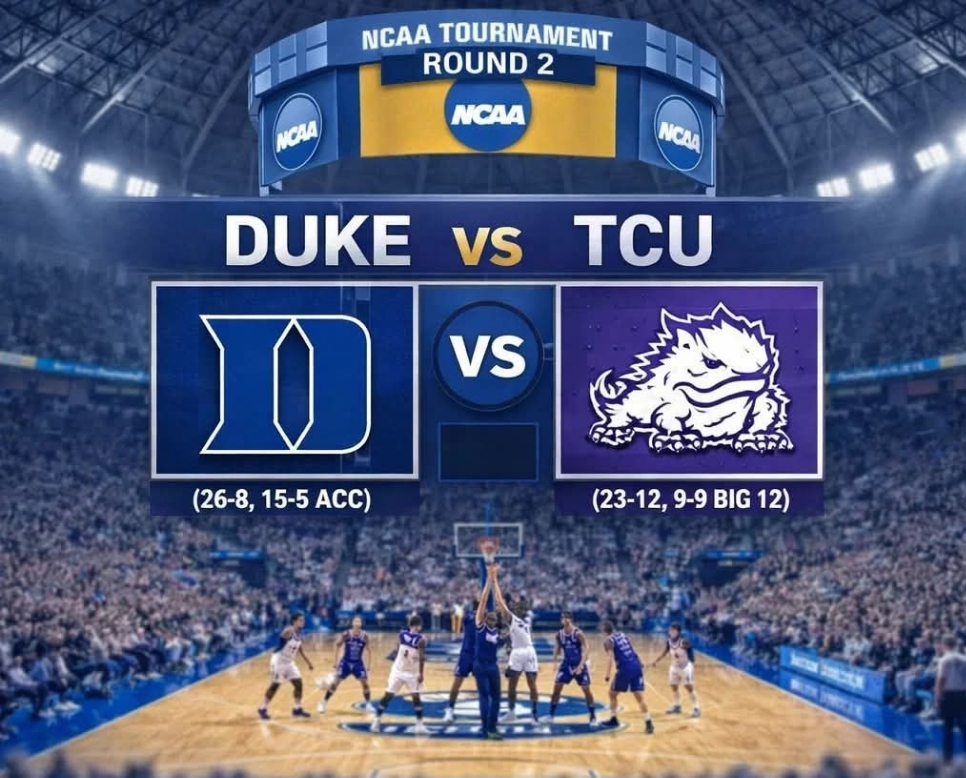
The Blue Devils have spent the better part of the 2025-26 academic year collecting championships. Now, with the NCAA Tournament brackets set and the sport’s biggest stage still ahead for both basketball programs, the question is not whether Duke has had a historic year.
It is whether the best of it is still to come.