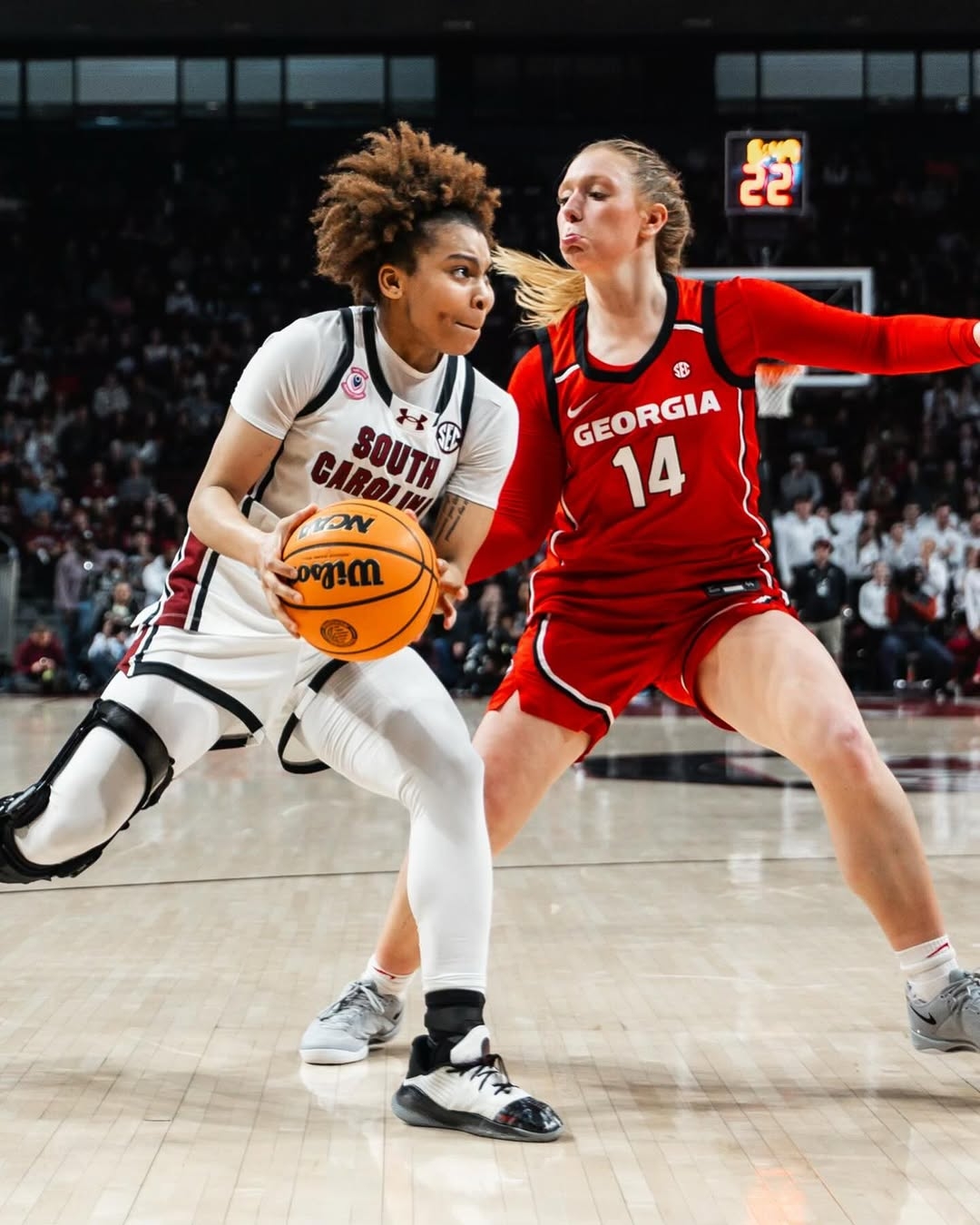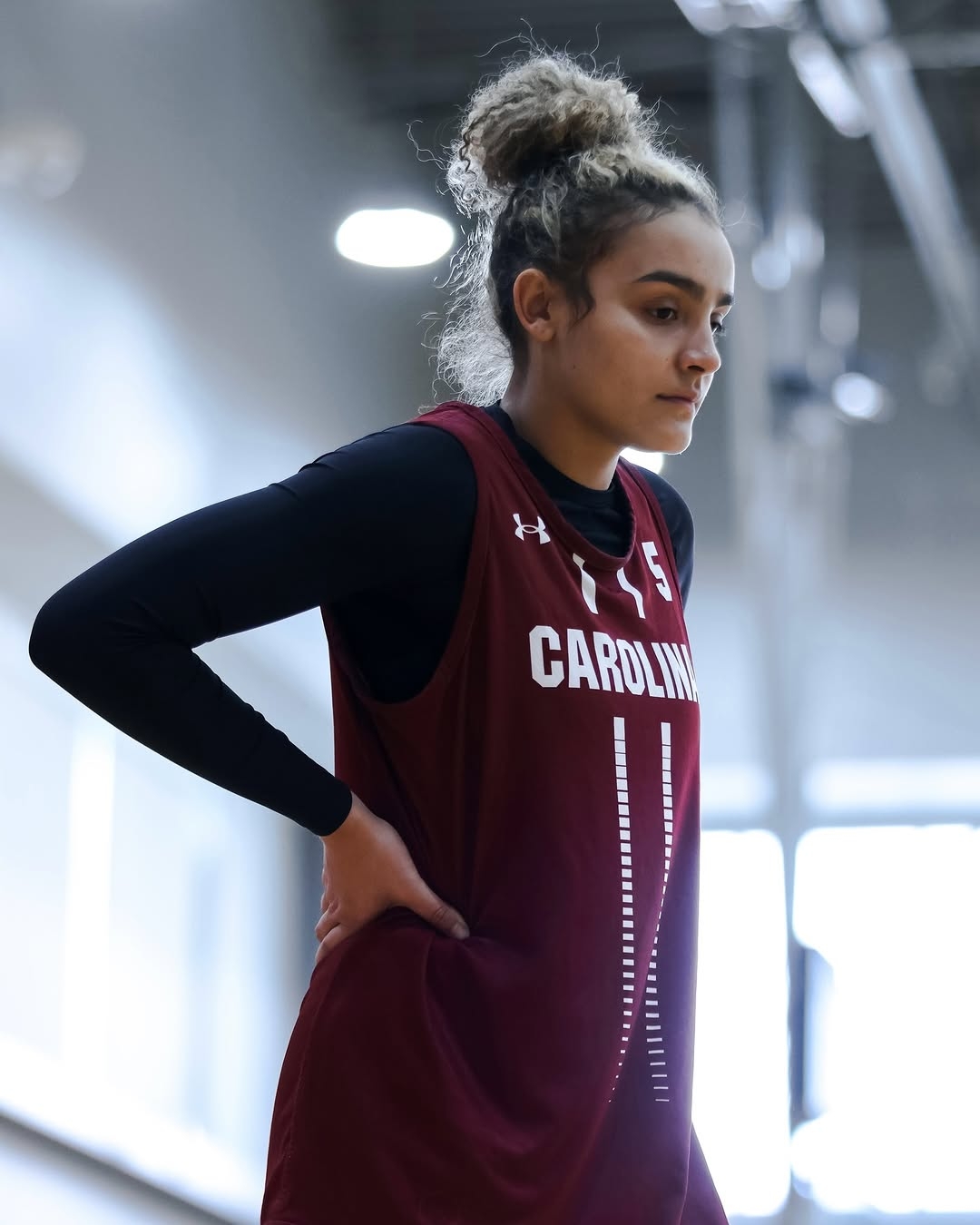
Columbia, SC — As No. 3 South Carolina prepares to tip off SEC play against Alabama at 2:00 PM on New Year’s Day, several critical storylines will shape this conference opener at Colonial Life Arena. With significant roster challenges and the intensity of SEC competition beginning, here are five essential things to watch as the Gamecocks launch their conference championship pursuit.
1. Life Without Ta’Niya Latson: Who Steps Up?
The Challenge:
The most significant storyline entering this game is how South Carolina navigates the confirmed absence of senior guard Ta’Niya Latson, who will miss the Alabama game due to the ankle sprain suffered against Providence. Dawn Staley’s Wednesday confirmation—”No practice today, won’t play tomorrow”—means the Gamecocks must redistribute the production of their second-leading scorer.
What Latson’s Absence Means:
South Carolina loses 16.9 points, 4.0 assists, 3.5 rebounds, and 1.6 steals per game from a player shooting career-best percentages (51.9% FG, 41.7% 3PT). More critically, they lose a versatile guard who excels in transition, provides secondary playmaking, and delivers efficient scoring in multiple ways.
Players Who Must Elevate:
Agot Makeer: The most likely candidate to enter the starting lineup, Makeer showed promising signs in her return from concussion protocol with a 10-point, 10-rebound double-double against Providence. She started the second half in Latson’s place, suggesting Staley’s initial thinking about the replacement. Watch for Makeer’s confidence, aggressiveness, and whether she can provide the energy and athleticism that partially compensates for Latson’s skill.
Tessa Johnson: Already a productive scorer (18 points vs. Providence), Johnson may need to assume even greater offensive responsibilities. Her ability to create her own shot, knock down perimeter jumpers, and attack off the dribble becomes increasingly important. Watch whether she can handle expanded usage without forcing shots or becoming predictable.
Raven Johnson: The point guard’s playmaking burden increases significantly without Latson’s secondary ball-handling. Can she orchestrate the offense for 35+ minutes while maintaining efficiency? Her decision-making, pace control, and ability to get teammates involved become even more critical.
Joyce Edwards: The versatile forward who scored 10 of her 14 points in the second half against Providence may need to become more aggressive earlier in games. Watch whether she can consistently create offense rather than waiting for the game to come to her.
The Bottom Line: South Carolina’s depth is being tested immediately as SEC play begins. The response from role players thrust into larger responsibilities will largely determine whether the Gamecocks maintain their championship standard or struggle without their second-best player.
2. First-Half Defensive Intensity: Can South Carolina Start Strong?
The Pattern:
South Carolina has shown troubling defensive inconsistency in first halves, particularly early in games. Against Providence, the Gamecocks allowed 19 first-quarter points on 47.4% shooting, with defensive breakdowns stemming from lack of discipline, excessive reaching, and rotation mistakes.
While South Carolina typically dominates second halves—they held Providence to just 21 points on 23.3% shooting after intermission—this pattern cannot continue against quality SEC opponents who will capitalize more effectively on early defensive lapses.
What to Watch:
Opening Five Minutes: Does South Carolina establish defensive identity immediately, or do they allow Alabama easy looks while finding their rhythm? First-basket situations, transition defense on Alabama’s first few possessions, and whether the Gamecocks communicate effectively from the opening tip will set the tone.
Ball Pressure: South Carolina’s defense thrives on creating turnovers and generating transition opportunities. Watch whether they pressure Alabama’s guards immediately or allow the Crimson Tide to operate comfortably in the half court.
Rotation Discipline: Dawn Staley specifically mentioned the team being “a little undisciplined” defensively against Providence. Watch for proper help-side rotations, whether defenders move their feet rather than reaching, and if communication prevents the confusion that led to open shots.
Defensive Rebounding: Alabama will look to create second-chance opportunities to compensate for South Carolina’s talent advantage. The Gamecocks must limit offensive rebounds and control the glass from the opening tip.
The Bottom Line: If South Carolina comes out defensively sharp and establishes intensity early, they should control this game comfortably. If they show the same early-game defensive lapses seen in previous contests, Alabama could build confidence and make this more competitive than it should be.
3. Interior Dominance: Madina Okot vs. Alabama’s Frontcourt
The Matchup:
South Carolina’s most consistent advantage in this game should be Madina Okot’s dominance in the paint against Alabama’s frontcourt. The starting center has been exceptional this season with 10 double-doubles, including an 18-point, 13-rebound performance against Providence.
What Makes This Critical:
With Latson’s perimeter scoring unavailable, South Carolina must establish interior dominance to anchor their offensive attack. Okot’s ability to score around the basket, draw fouls, and control the glass becomes even more important when the team lacks its usual backcourt balance.
Specific Things to Watch:
Early Touches: Does South Carolina consciously feed Okot early to establish interior presence, or do they default to perimeter play? Setting the tone inside forces Alabama to collapse defensively, creating opportunities for cutters and spot-up shooters.
Post Defense: Can Alabama’s frontcourt players defend Okot one-on-one, or must they double-team, creating opportunities for others? Watch how Alabama’s defensive scheme adjusts to Okot’s presence.
Rebounding Battle: Okot’s 13 rebounds against Providence demonstrated her motor and positioning. Against Alabama, controlling the boards on both ends will be critical—offensive rebounds create second chances while defensive rebounds fuel transition.
Foul Trouble: This is the nightmare scenario for South Carolina. If Okot picks up two early fouls and must sit extended first-half minutes, the Gamecocks lose their most reliable offensive weapon and interior defensive presence. Discipline and verticality become essential.
Supporting Cast: Joyce Edwards and potentially Agot Makeer must complement Okot’s interior presence. Watch whether they crash the offensive glass, finish around the basket when Okot draws attention, and provide defensive help.
The Bottom Line: If Okot dominates—20+ points, 12+ rebounds, controlling the paint on both ends—South Carolina should win comfortably regardless of perimeter struggles. If Alabama somehow neutralizes her or she gets in foul trouble, the Gamecocks face a much tougher challenge.
4. Pace and Tempo: Who Controls the Game’s Rhythm?
The Strategic Battle:
One of the game’s most important tactical battles will be which team successfully dictates pace and tempo. South Carolina excels in transition, using defensive pressure to create turnovers and convert them into easy baskets before defenses get set. Alabama will likely prefer a more controlled pace where they can execute their offense and limit South Carolina’s transition advantages.
What to Watch:
Possessions Per Game: Elite South Carolina performances typically feature 75+ possessions with frequent transition opportunities. If the game bogs down into the 60-possession range, Alabama has successfully slowed the pace and limited the Gamecocks’ greatest advantage.
Transition Defense: When South Carolina misses shots or Alabama secures defensive rebounds, watch how quickly the Gamecocks get back and prevent easy transition baskets. Similarly, when South Carolina gets stops or rebounds, do they push pace immediately or allow Alabama to get set defensively?
Offensive Rebounding Philosophy: South Carolina could adopt different approaches—crashing the offensive glass aggressively to create second chances (slower pace) or sending multiple players back on defense to prevent transition (faster pace with fewer offensive rebounds). Which strategy Staley employs tells us about her game plan priorities.
Substitution Patterns: Frequent substitutions keep players fresh for sustained high-tempo play. Watch whether Staley uses her bench liberally to maintain defensive intensity and running capability, or whether she shortens rotations due to Latson’s absence.
Alabama’s Pace Control Tactics: Does Alabama run offensive plays to consume clock? Do they emphasize offensive rebounding (slower pace) or get back on defense (conceding tempo)? Their strategic approach reveals their game plan for staying competitive.
The Bottom Line: If South Carolina successfully pushes pace and generates 15+ transition points, they should control this game comfortably. If Alabama slows the tempo and forces half-court execution, the Gamecocks must demonstrate the offensive execution that has occasionally been inconsistent.
5. Three-Point Shooting: Can South Carolina Maintain Hot Shooting?
The Recent Development:
South Carolina connected on 12-of-29 three-point attempts (41.4%) against Providence—a season-high in both makes and attempts. This perimeter proficiency represents a significant development for a team that has shown inconsistent shooting throughout the season.
Why It Matters Against Alabama:
If Alabama packs the paint to limit Okot and interior scoring, South Carolina must knock down open perimeter shots to keep defenses honest. Consistent three-point shooting transforms the Gamecocks from a good team into a dominant one by preventing opponents from loading up against their size advantage.
Key Shooters to Watch:
Tessa Johnson: Her ability to space the floor and knock down catch-and-shoot threes becomes more important with Latson out. If she connects at a high rate, it forces Alabama to respect her and opens driving lanes.
Ayla McDowell: The freshman’s 37.1% three-point shooting makes her potentially valuable in specific situations. Watch whether Staley uses her to provide floor spacing, particularly if Alabama collapses aggressively on interior players.
Raven Johnson: While not a high-volume three-point shooter, her willingness to take and make open threes prevents defenses from ignoring her completely.
Joyce Edwards: Can she knock down the occasional perimeter shot to keep defenses honest, or must she exclusively operate inside the three-point arc?
Shot Selection: Beyond makes and misses, watch shot quality. Are South Carolina’s three-point attempts coming from drive-and-kick situations, offensive rebounds, and good ball movement? Or are they forced, contested attempts that suggest offensive stagnation?
The Bottom Line: If South Carolina shoots 35%+ from three-point range on quality attempts, they become nearly impossible to defend given their interior advantages. If they revert to 25-30% shooting or take poor-quality attempts, Alabama can pack the paint and make scoring more difficult.
Bonus Thing to Watch: Coaching Adjustments and Timeout Usage
Dawn Staley’s In-Game Management:
One often-overlooked aspect of this game will be how Staley manages the challenge of navigating Latson’s absence while establishing the tone for SEC play.
Key Coaching Decisions:
- How quickly does she call timeout if Alabama builds early momentum?
- What lineup combinations does she experiment with given the altered rotation?
- How does she balance developing confidence in players thrust into larger roles with winning the game?
- Does she shorten the rotation to rely on proven players, or does she use depth to maintain intensity?
Halftime Adjustments: South Carolina has excelled at halftime adjustments all season. If the first half goes poorly, watch for second-half changes that dramatically shift the game’s momentum.
Motivational Approach: Is Staley’s sideline demeanor urgent and intense, reflecting concern about the team’s adjustment to Latson’s absence? Or is she calm and confident, projecting trust in her players to execute?
Setting the SEC Tone
Beyond these five specific things to watch, this game carries broader significance as South Carolina’s SEC opener. The Gamecocks’ performance—particularly how they navigate adversity and adjust to Latson’s absence—will establish expectations and momentum for the conference season ahead.
A dominant performance despite roster challenges would send a powerful message to SEC opponents that South Carolina remains the conference’s elite program regardless of who’s available. A struggle or close game might embolden conference rivals to believe the Gamecocks are vulnerable.
Prediction
Despite Latson’s absence, South Carolina’s combination of home court advantage, interior dominance through Okot, defensive capabilities, and championship experience should prevail. Expect some early adjustment struggles as players adapt to larger roles, followed by second-half dominance as the Gamecocks establish their identity.
Projected Final Score: South Carolina 76, Alabama 58
The Gamecocks’ depth and coaching should prove decisive, though the margin might be closer than typical South Carolina victories due to the rotation adjustments necessitated by Latson’s injury.
Conclusion
This SEC opener provides fascinating storylines beyond a simple ranked team playing an unranked opponent. How South Carolina responds to significant adversity, which players emerge in expanded roles, and whether they can maintain championship standards without a key contributor will reveal much about this team’s character and ultimate potential.
For Alabama, this represents an opportunity to catch a wounded opponent and make a statement. For South Carolina, it’s a chance to prove that their excellence transcends individual players and that the championship culture Dawn Staley has built can withstand any challenge.
Tip-off is set for 2:00 PM on New Year’s Day at Colonial Life Arena. These five things to watch will largely determine whether South Carolina begins SEC play with a convincing statement victory or faces unexpected challenges that create concerns heading into the conference schedule.