Diagnosing the Defensive Disaster
Source: On3
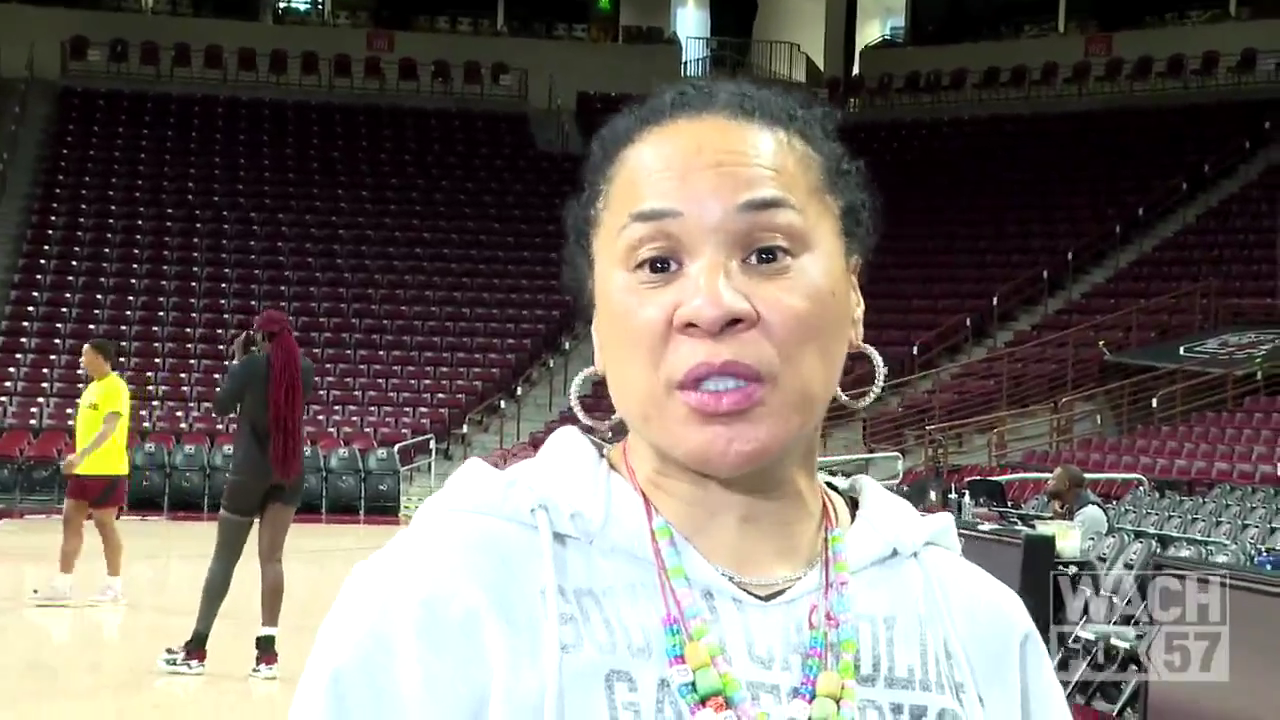
When asked to identify the main defensive problem against Oklahoma, Dawn Staley didn’t mince words—there wasn’t just one issue, but a cascade of failures that exposed her team across multiple dimensions.
“The main?! I think there were a lot of issues. I think sometimes we’re in a game like that, you can say we got exposed in certain areas, but we got exposed in a lot of areas. It’s really uncharacteristic of us, but you can point to the reasons why: we didn’t box out, right? We gave up too many transition baskets, easy baskets. If we get them in the half-court, I think our defense holds up in the half court, could have been a little bit of fatigue. Sometimes you’re in that environment, you just lose all of your habits. Unfortunately, we’re here trying to rekindle the good habits that we have. You take losses. Vandy and Tennessee are undefeated in our league. If you go undefeated in our league, then you’re doing pretty good, pretty damn good if you go undefeated in our league.”
This response reveals several key insights. First, Staley acknowledges the comprehensive nature of the breakdown—rebounding, transition defense, and mental lapses all contributed. Second, she frames the loss within conference context, noting that remaining undefeated in the SEC is exceptionally difficult, which provides perspective without making excuses.
The Message to Players: Real Talk, Real Change
Staley emphasized that her coaching staff doesn’t sugarcoat reality. The loss demanded honest conversations about necessary improvements across the roster.
“Just the ability to take in real conversation. We talk real, we don’t sugarcoat anything, they understand. We need more from a lot of different people. We’ve got to make changes. We’re committed to winning, right? And winning by doing it the right way. You can patch it, you can camouflage it, but when it’s all said and done, when you lose like that, it makes you get back to the things that you do well. We’ve got to have better post play, we’ve got to have better guard decision-making, and we’ve got to have better defense. Got to have better oomph for what we’re doing. It just can’t (only) happen at home. You’ve got to do it on the road, if you’re trying to win this league, if you’re trying to win a national championship.”
The coach’s use of “oomph” is particularly telling—beyond technical execution, she’s calling for greater intensity and energy, especially in hostile environments. Championship aspirations require consistent excellence regardless of venue.
The Final Possession: A Coaching Regret
Staley expressed clear frustration with the game’s final regulation possession, when Raven Johnson—who had been shooting well with 16 points—passed instead of taking the shot herself.
“I didn’t want Raven (Johnson) to playmake. I wanted Raven to keep the ball. She was the one who was making shots. So use the screen, see if there’s an opening, and get a shot off, because you were making shots. It’s plain and simple.”
When pressed on whether Johnson’s unselfishness was problematic in that moment, Staley was direct:
“I don’t know. If I’m shooting the ball as well as she was shooting the ball, I’m not going to defer in that moment. It was just us putting the ball in her hands and saying playmake. She must not have thought she had an angle to do anything, but I would rather a shot than a turnover in that situation.”
This exchange highlights a fundamental coaching dilemma: encouraging unselfish play throughout the game while also cultivating killer instinct in crucial moments. Johnson’s instinct to find a teammate backfired when individual assertiveness was needed.
Installing Winning Habits: Coach vs. Player Responsibility
When asked about the balance between player-driven intensity and coach-installed systems, Staley rejected the notion that desire can’t be taught.
“I’ve been in this game long enough that you just don’t rely on the players to have it. You’ve got to instill it, You got to enforce it. They have to embrace it, plain and simple. It’s not rocket science, it really isn’t. This game is super easy. Basketball is incredibly easy. There are things that you naturally do when you’re on the basketball court. If you can play to what people do naturally and read it, you’re gonna be pretty successful. If you aren’t able to do that, you’re gonna get rattled a lot. We got rattled, but again, all our goals are in front of us. The house is still standing. We’ve got bad weather coming; the house will stand even through the bad weather.”
Her philosophy centers on simplicity: basketball success flows from reading situations naturally and executing ingrained habits. The Oklahoma loss represented a departure from those fundamentals under pressure—something coaching must address.
Vanderbilt: The Perfect Redemption Test
Sunday’s opponent, undefeated No. 5 Vanderbilt, presents both a challenge and an opportunity. Staley praised head coach Shea Ralph’s program-building while acknowledging Vanderbilt’s excellence this season.
“I mean, Shea’s (Ralph) done a great job. You can almost see it coming, even though they were losing. You have to create this culture and this ability to believe. You get your players, and they’re all on that same page, believe. You feel good about what you’re doing. You create these habits, and you display them. Display them 20 times out. This season, they’ve been good at their habits over everybody else’s habits. So we got to get better. We got to get better to be like them, to be perfect.”
Perhaps most significantly, Staley views Vanderbilt as presenting similar challenges to Oklahoma, making this game an immediate “do-over” opportunity.
“Playing against a really good point guard. Everything that Oklahoma presented to us is there with Vandy. So if you want to do over, here’s the do-over in every facet of where we got beat. So hopefully we can take care of that.”
Vanderbilt features freshman Aubrey Galvan alongside star Mikayla Blakes, posing guard challenges similar to what Oklahoma exposed. The matchup will reveal whether South Carolina can quickly correct its mistakes.
Transfer Portal Window Changes
On a administrative note, Staley welcomed recent NCAA changes to the transfer portal window, which had previously disadvantaged programs like South Carolina that regularly compete deep into the postseason.
“I mean, since we’ve been the brunt of not being able to capitalize in the space because we’ve been at the Final Four. I think it’s great. I think it pushes it back, but certainly, people are going to be recruiting well before that period, so will we.”
Analysis and Takeaways
This press conference showcased Staley’s coaching maturity. Rather than deflecting blame or dramatizing the loss, she:
- Identified specific, fixable problems (boxing out, transition defense, decision-making)
- Maintained perspective (acknowledging SEC difficulty without excuse-making)
- Took coaching responsibility (admitting the final play instruction could have been clearer)
- Set immediate expectations (demanding better performance against Vanderbilt)
- Used effective metaphor (the “house still standing” amid “bad weather”)
The upcoming Vanderbilt game serves as a perfect barometer. If South Carolina bounces back convincingly against another top-five opponent, the Oklahoma loss becomes a valuable learning experience. If similar problems resurface, it may signal deeper issues with this team’s championship readiness.
For now, Staley’s message is clear: the foundation remains solid, but execution must improve immediately. In championship basketball, there’s no time to waste when the schedule provides an instant opportunity for redemption.