Trump Signs Executive Order on College Sports, With Big Impacts for South Carolina Athletics
The landscape of college athletics has been reshaped in recent years by NIL rules, the transfer portal, evolving scholarship policies, and now revenue-sharing. The changes have stirred enough concern among college sports leaders that many have begun calling for federal intervention.
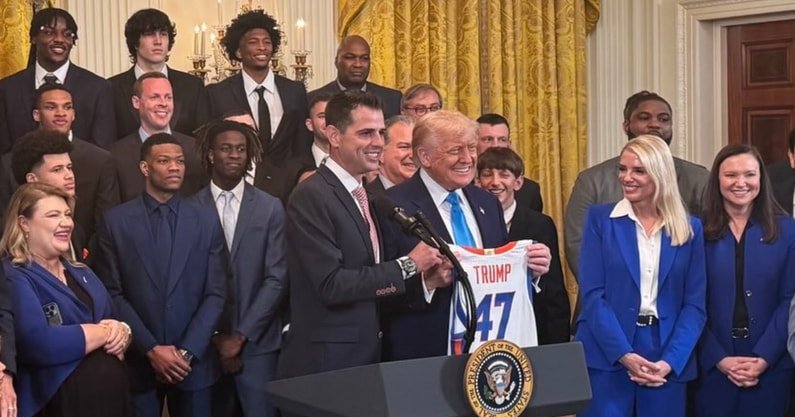
On Thursday, former President Donald Trump took action, signing an executive order titled “Saving College Sports.” The order seeks to address what Trump called the “mortal threat” of unregulated payments in college athletics, while also supporting the U.S.’s goal of maintaining “unrivaled success in international competition.”
The executive order recognizes that expanded benefits and flexibility for student-athletes were “overdue,” but it also imposes new restrictions and responsibilities for colleges and universities.
Key Highlights of the Executive Order:
- No Third-Party Pay-for-Play: The order bans payments from third parties that are essentially pay-for-play deals — something the NCAA has technically already prohibited but has struggled to regulate. However, true NIL compensation — like brand endorsements at fair market value — remains allowed.
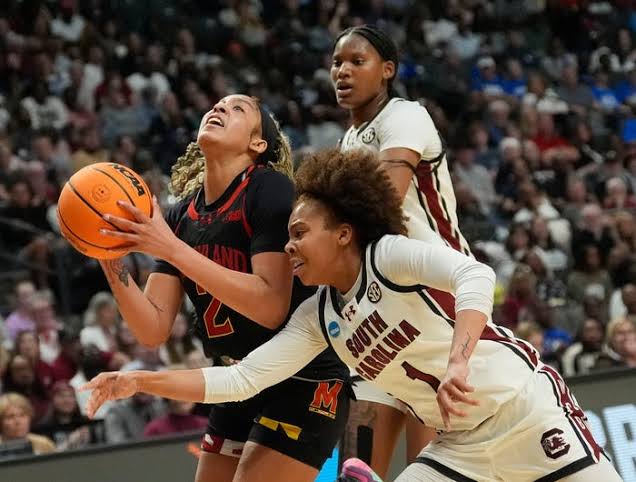
- Support for Women’s and Non-Revenue Sports: Schools that generate over $125 million in athletic revenue (such as the University of South Carolina) are now required to maintain or grow their support for women’s and non-revenue sports. This includes increasing total scholarship availability and awarding the full number of scholarships permitted for these sports.

While the order does not offer specific guidance on how these changes will align with NCAA rules or Title IX, it does state that implementation must happen “as permitted under the applicable collegiate athletic rules.”
It also mandates that new revenue-sharing plans across NCAA institutions must be designed to “preserve or expand scholarships and collegiate athletic opportunities in women’s and non-revenue sports.”
Enforcement Still Unclear
A newly formed entity, the College Sports Commission (CSC), has been tasked with overseeing NIL-related payments that are not part of revenue sharing. It’s still unclear whether this body or another agency will enforce the ban on pay-for-play arrangements disguised as NIL.

South Carolina Among the Schools Affected
According to financial records, South Carolina’s athletic department brought in over $125 million in revenue during the 2023–24 academic year — meaning the executive order directly applies to the Gamecocks. Despite operating at a small deficit, the order focuses on gross revenue, not profit margins.
That means two major takeaways for USC right now:
- Third-party pay-for-play disguised as NIL is prohibited (though this aligns with existing NCAA rules).
- Non-revenue sports must maintain — or even expand — both their presence and scholarship numbers.
What’s Next?
Trump’s order sets a fast-moving timeline. Within 30 days, the Secretary of Education — in consultation with the Attorney General, Secretary of Health and Human Services, and the Federal Trade Commission — must create a detailed plan to implement the policies in cooperation with Congress and state governments. Other elements of the order have 60-to-90-day windows to be addressed.