The Real Problem Is Bigger Than the Coach
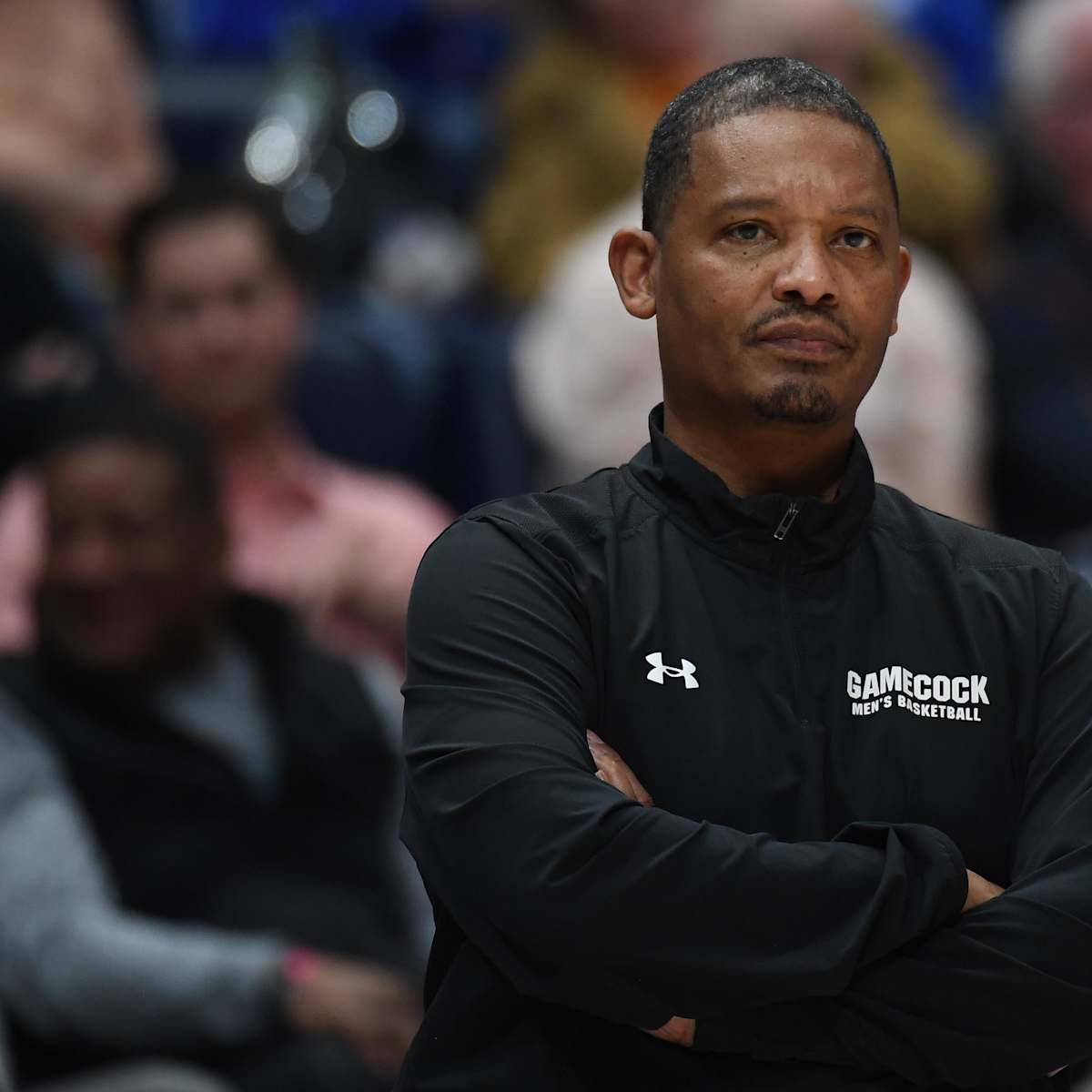
The decision has been made. South Carolina will bring back men’s basketball coach Lamont Paris for the 2025-26 season, a source confirmed with The State. Given the numbers surrounding a potential buyout — exceeding $12 million, representing 65% of his remaining $18.5 million contract — the financial reality made parting ways extraordinarily difficult regardless of on-court results.
But the retention decision deserves a deeper examination than the buyout figure alone.
The Season in Numbers — and They’re Ugly
South Carolina sits at 13-18 overall, 4-14 in SEC play, trending toward missing the NCAA Tournament for the second consecutive season. The losses haven’t just been defeats — they’ve been embarrassments. A 34-point loss to Arkansas in January. A 23-point defeat at Texas A&M. Then, perhaps most damaging to program morale, a 47-point home loss to Florida — on their own floor.
Those margins don’t reflect a team that competed and came up short. They reflect a roster that was overmatched consistently, at every level, against SEC competition.
Paris Isn’t Entirely to Blame — and That Matters
Here’s where the analysis has to be honest: the talent deficiency predates and extends beyond coaching decisions. Last season, even with future Top-10 NBA Draft pick Collin Murray-Boyles on the roster, the Gamecocks went 12-20 overall (2-16 SEC), finishing dead last in the conference. The culprit identified at the time was an NIL budget sources described as under $2 million for the entire team — the lowest in the SEC by a significant margin.
Athletic Director Jeremiah Donati acknowledged the gap directly: “We’ve worked tirelessly since then to increase that and put them in a much better position. It will be substantially more than it was last year.” The budget did increase for 2025-26, but whether it closed the gap with every other SEC school — which were almost certainly also increasing their NIL spending — remains genuinely unclear.
The result was a roster that failed to address its most glaring needs. South Carolina didn’t acquire a point guard in the transfer portal. The three big men who transferred in didn’t produce. The statistical profile of the team tells the rest: worst rebounding team in the SEC, worst three-point shooting team in the conference, fewest blocks of any SEC program. These aren’t close calls. These are bottom-of-the-conference-in-every-category failures.
“No matter what Paris tried this season, there wasn’t enough talent to make a difference.” That’s not an absolution — it’s a structural diagnosis.
The Extension That Now Defines the Situation
Two years ago, Paris earned a lucrative extension after guiding South Carolina to one of its best seasons in program history — 26 regular-season wins, a No. 15 national ranking, and an NCAA Tournament appearance, all while being the lowest-paid coach in the SEC at $2.3 million. Former AD Ray Tanner locked him in at $4 million annually while Paris was being courted for the Ohio State vacancy.
That extension, reasonable at the time, now creates the financial straitjacket South Carolina finds itself in. Paris earns $4.25 million next season — still not top half among SEC coaches — while producing bottom-half results. The buyout protection that made the extension attractive to Paris now makes a coaching change prohibitively expensive for the program.
What Has to Change
Retaining Paris without dramatically increasing NIL resources this offseason would be the worst possible outcome — not because Paris is the right coach, but because it would repeat the same cycle. A point guard is non-negotiable. Frontcourt production must improve. And the gap between South Carolina’s NIL budget and the rest of the SEC has to close meaningfully, not incrementally.
The program’s revival starts this offseason in the portal. Paris has earned one more opportunity to prove the infrastructure around him — not just his coaching — was the problem. The next roster will be the verdict.


