Ta’Niya Latson Leaves South Carolina With No Regrets — and a WNBA Career Ready to Begin
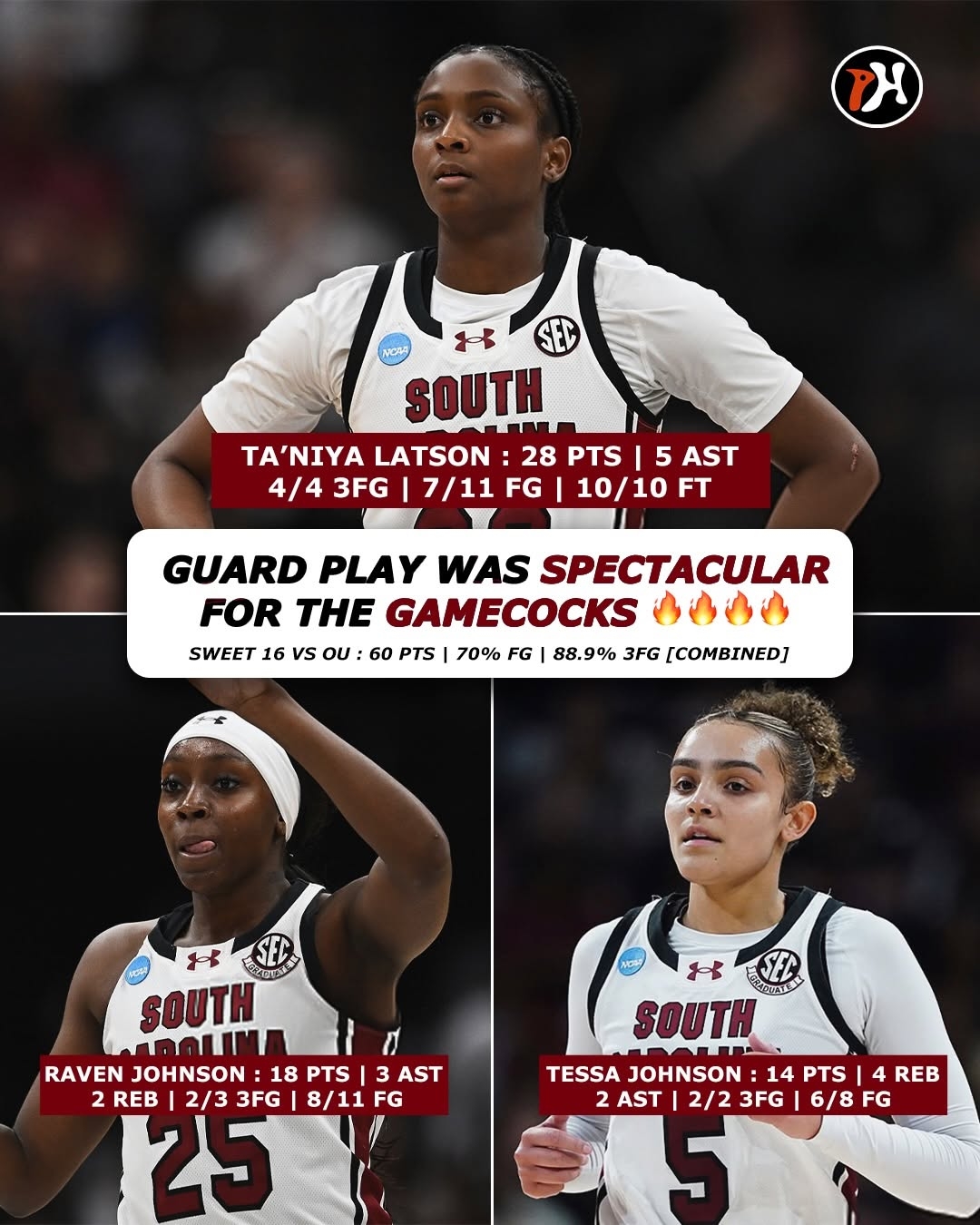
PHOENIX — Ta’Niya Latson gave up the nation’s scoring title to come to South Carolina. She gave up individual recognition, familiar surroundings, and the comfort of a program that had been built around her. She gave up everything a leading scorer gives up when she walks into a system designed around collective production.
On Sunday night, she gave up a national championship too — falling 79-51 to UCLA in the title game. And she does not regret a single trade she made.
What She Gained in Return
Latson arrived at South Carolina as the most prolific scorer in college basketball. She left as something more complete — a player who understands efficiency, patience, and the relationship between individual sacrifice and team success in ways that Florida State’s system never demanded of her.
“Just patience, working on efficiency, working on my jump shot. She taught me a lot about myself,” Latson said of Dawn Staley. “She believed in me as a player. I just got to carry that into the league, carry her words into the league with me. Take everything that I learned here and carry it, and elevate my game.”
That sentence — she believed in me as a player — is the one that carries the most weight. Latson was already one of the most productive offensive players in the country before she arrived in Columbia. What Staley gave her was not offensive development. It was a different kind of belief — the kind that asks a player to be more than their statistics, to find value in the possessions that do not end in their own shot, to trust that winning is worth the personal cost.
For a player who had never made it past the second round at Florida State in three years, that lesson arrived with immediate results. South Carolina made the Final Four. Then the national championship game. Latson experienced both for the first time in her college career.
CLICK 👇 HERE TO WATCH
Staley’s Endorsement for the League
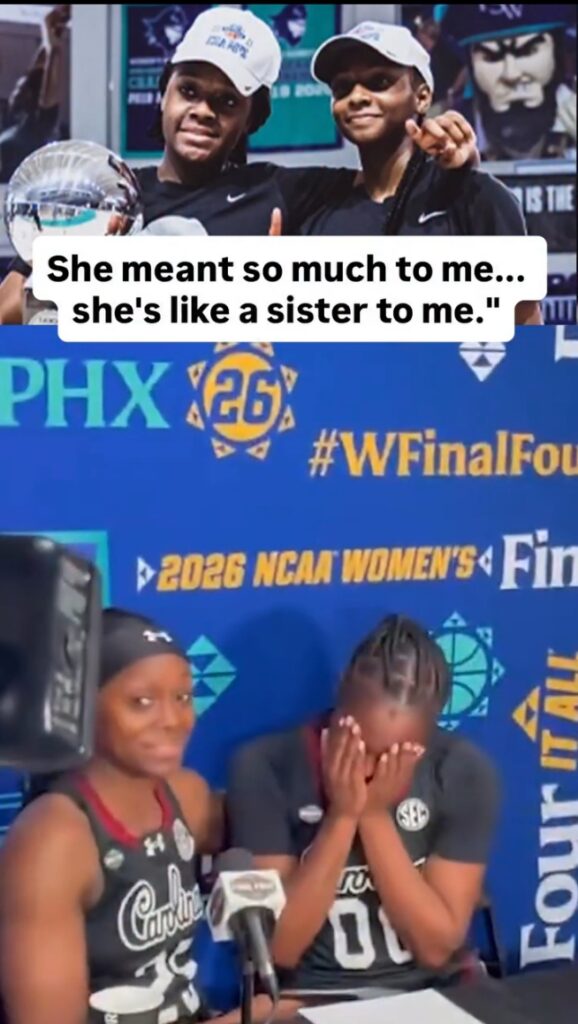
The 2026 WNBA Draft is April 13, and Staley did not hesitate when asked to make the case for Latson — and for Raven Johnson — as professional players.
“I think they are well-rounded individuals from a basketball standpoint,” Staley said. “They are great humans. You want somebody in your franchise who you see is going to come to work every day on time, early, come in early, stay late, then everything in between.”
“I just think that they’re ready. They’ve created pro habits. A lot of what someone unprepared for a WNBA training camp, they’ll be prepared for it. Maybe the terminology will be a little bit different. When it comes to basketball, they can be coached by anybody.”
That last line is the most valuable endorsement a coach can give a player entering a professional league — not that she is talented enough to be drafted, but that she is coachable enough to be developed. WNBA franchises are not just evaluating what Latson is today. They are evaluating what she can become under the right system. Staley just told every GM in the league that whoever drafts Latson gets a player who will respond to coaching.
The Pride That Survives the Scoreline
The final score — 79-51 — is not the number Latson will carry forward as the defining metric of her South Carolina season. The number that matters more is the one that describes how far she came: from never advancing past the second round in three years at Florida State, to a national championship game in her one season as a Gamecock.
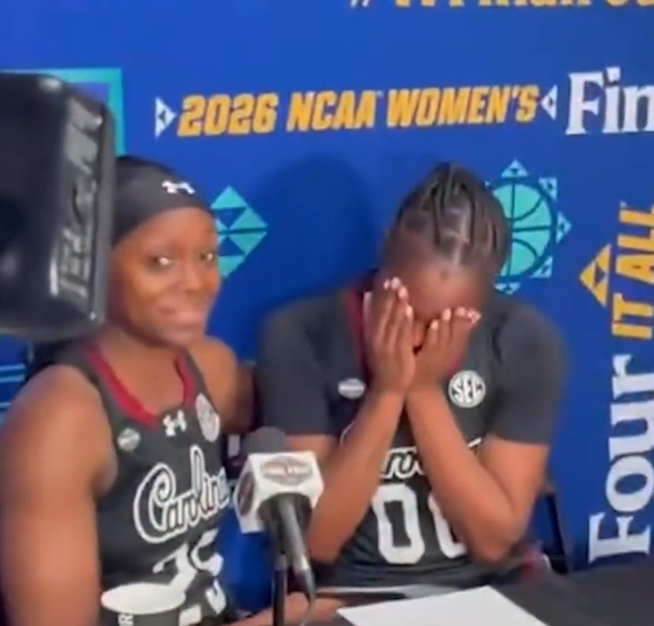
“Obviously, it didn’t go the way we wanted it to go,” Latson said. “We had a good season. Nobody thought we could make it here. I’m just proud of the girls in the locker room, the people that believed in that locker room.”
Nobody thought we could make it here. That framing is revealing. South Carolina was a consensus Final Four pick before the season began — but Latson is not talking about external expectations. She is talking about the internal belief that sustains a team through injuries, lineup changes, and the accumulated pressure of a program expected to compete for championships every year with a roster that looked, on paper, less equipped than previous ones.
They believed. They made it. The trophy went to Westwood. The experience stays with her.
What the WNBA Gets
The WNBA is receiving a player who spent three years as the nation’s leading scorer and one year learning what comes after scoring — the patience, the efficiency, the willingness to subordinate personal production for collective outcomes. That combination is rare and genuinely valuable at the professional level.
Latson arrived at South Carolina with one skill set. She leaves with two. And when the draft happens on April 13, whatever franchise selects her gets both.
She came to South Carolina for Raven Johnson, for Dawn Staley, for championships she had never reached. She found all three — and a version of herself she could not have found anywhere else.
No regrets. Just lessons. And a league that is waiting for her.