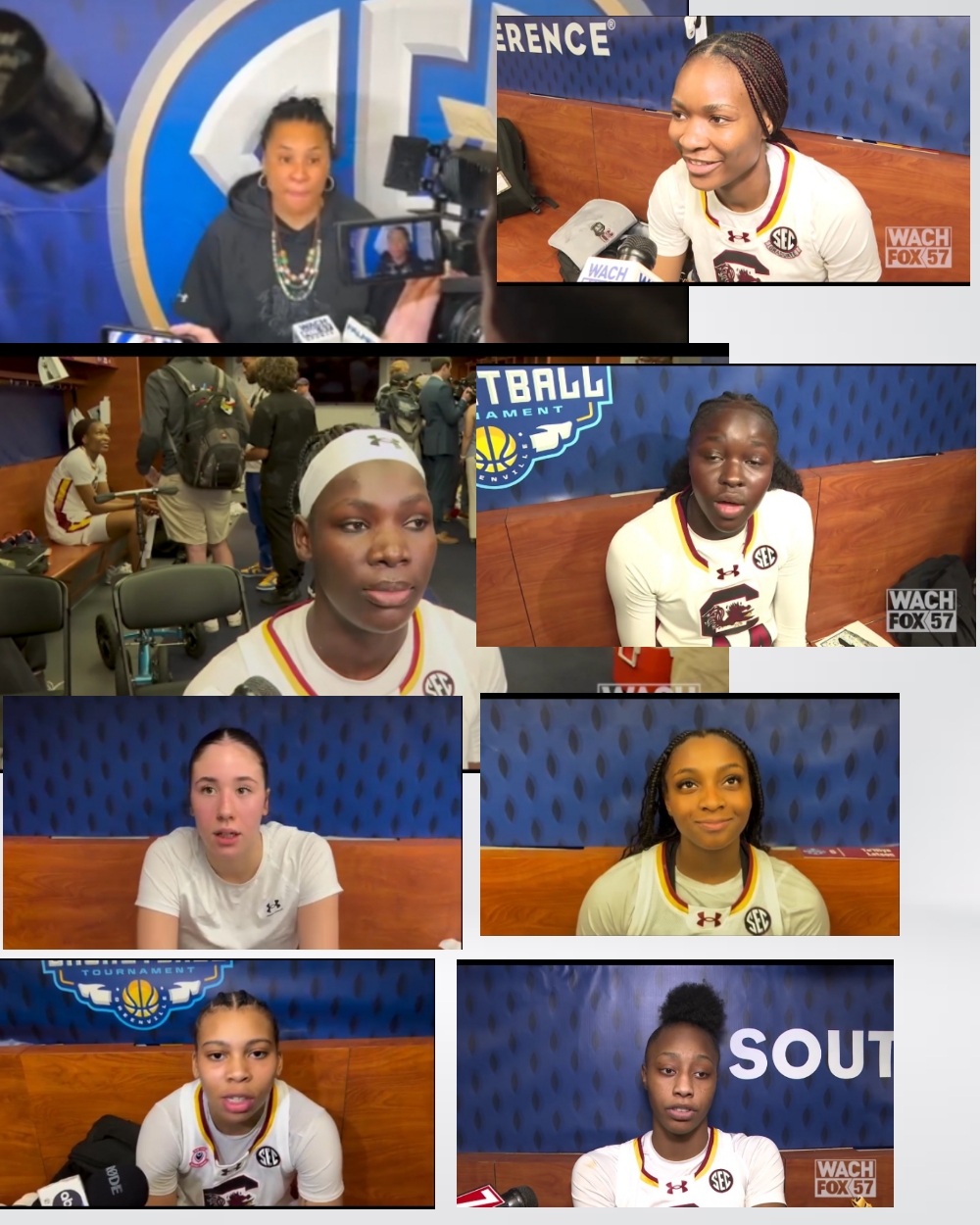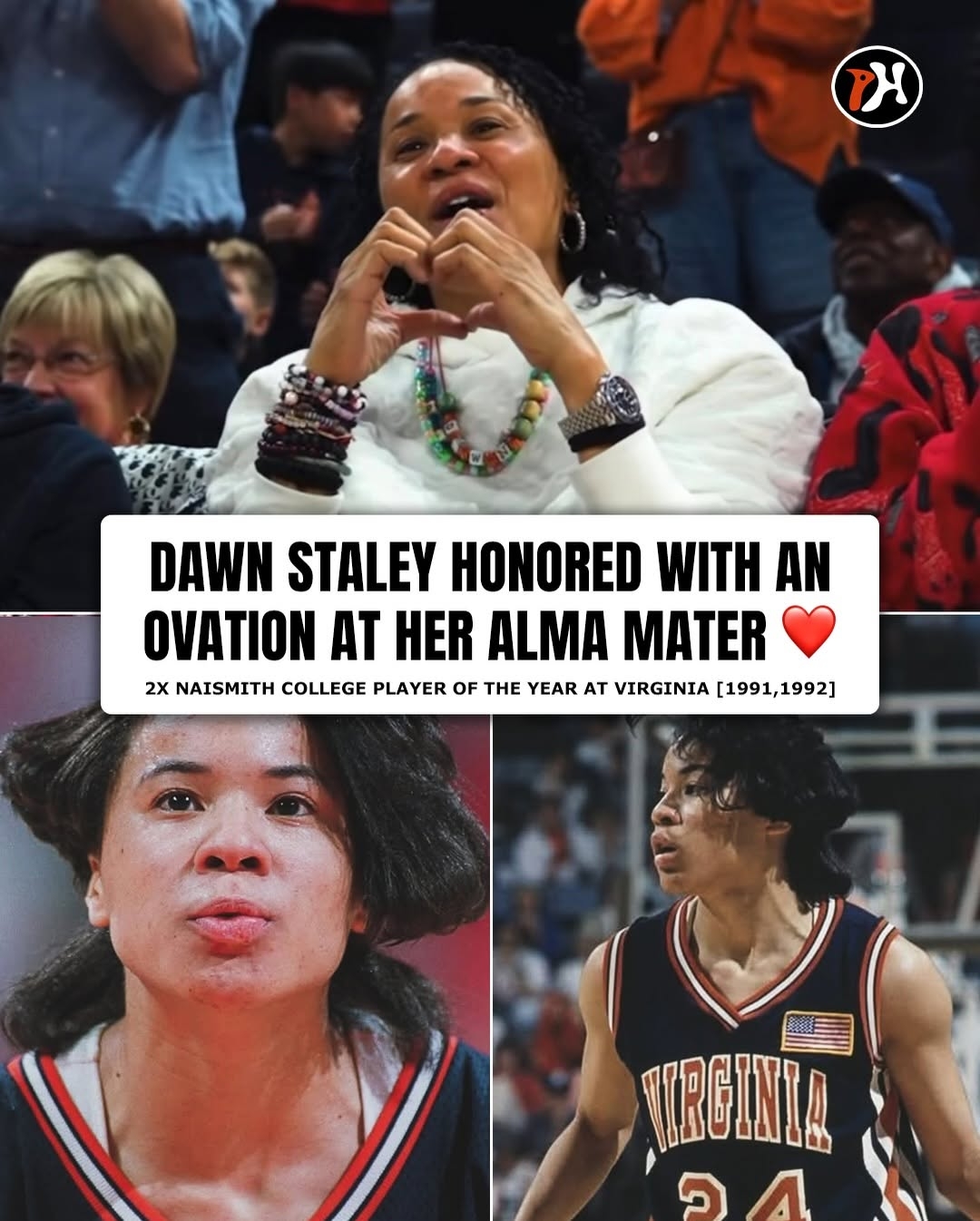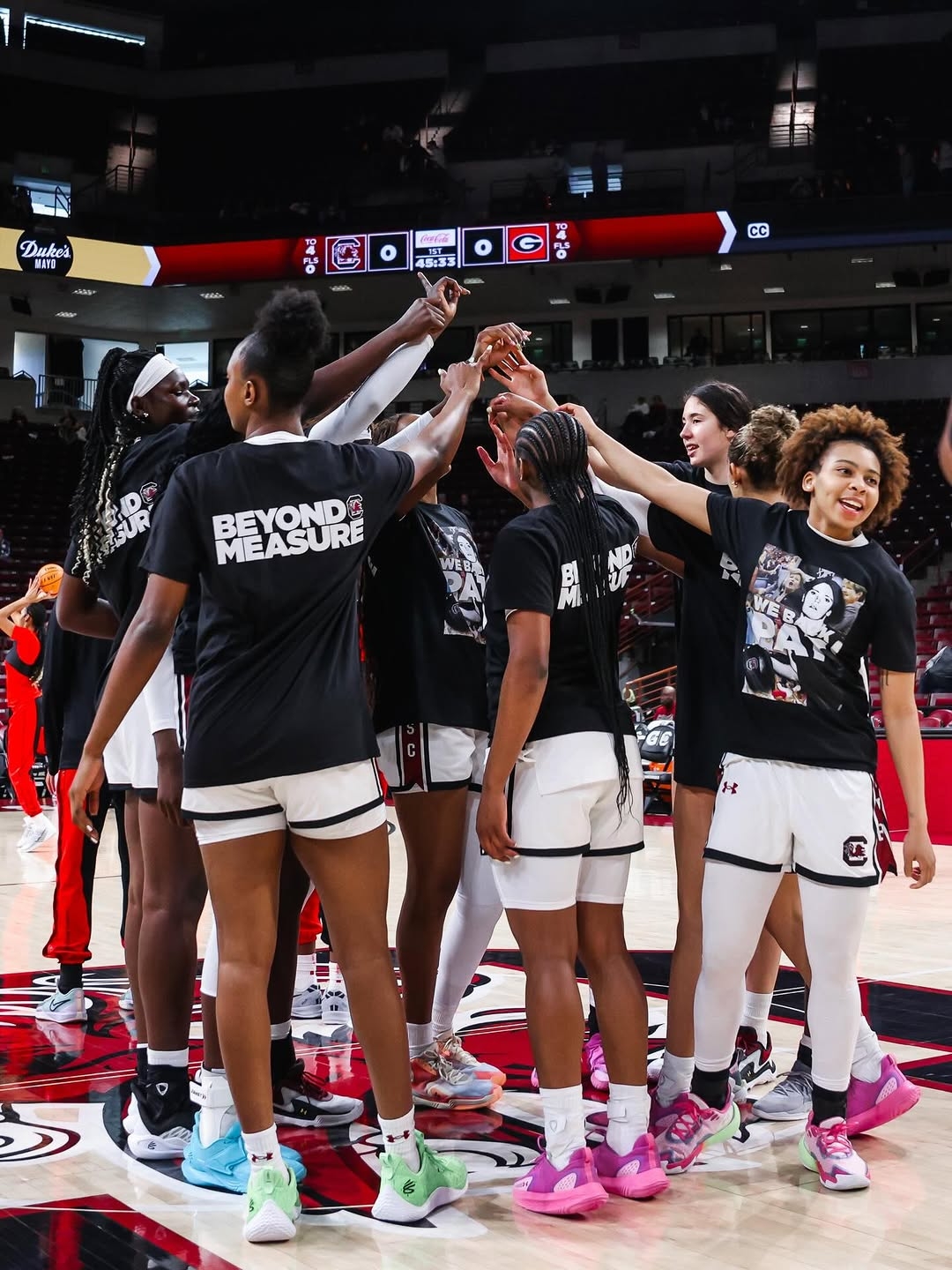
According to On3 reports, What makes South Carolina women’s basketball so unstoppable? It’s not just talent, coaching, or even Dawn Staley’s legendary leadership. The real secret lies in something far more powerful—and it’s happening when the cameras aren’t rolling.
A Culture of Support
The scene was simple but telling: New Year’s Eve, after practice, as players worked on their shots. Senior Raven Johnson was called over for a media session about the upcoming SEC season. Instead of going alone, Johnson wrapped her arm around sophomore Maddy McDaniel and playfully coaxed her over to join.
McDaniel’s nickname is “Mouse”—as in “quiet as a.” But Johnson wasn’t about to let her teammate stay in the shadows. After the media session ended, Johnson celebrated her, patting McDaniel on the back and announcing proudly, “Give it up for Maddy Mouse!”
This is the culture Dawn Staley has built—one where players genuinely support each other, loudly and proudly.
Last season felt different. Whether it was the pressure of repeating an undefeated championship run, personal struggles, or something else entirely, there seemed to be a dark cloud hanging over the program. This year? Nothing but sunshine.
When Madina Okot tied her career-high with 23 points at Louisville, Tessa Johnson immediately declared, “Now we need her to exceed (that).” When Joyce Edwards dropped 34 points at USF—her second career-high in consecutive games—Okot said she needed 35.
“We’re such a close-knit team,” McDaniel explained. “On and off the court, we’re there for each other. We just have that family bond, sister bond. It’s really good.”
Players Coaching Players
During a sluggish first half against NC Central, Ta’Niya Latson was invisible. At halftime, injured senior Chloe Kitts confronted her: What’s wrong? Why aren’t you dominating?
“Yeah, Chloe came up to me and was like, what’s going on?” Latson recalled. “I’m like, nah, I can’t go out there like that. I’ve got to turn it up.”
Latson exploded for 32 second-half points—the most by a Gamecock in seven years.
Later, when Latson herself was sidelined with a sprained ankle, she didn’t just sit quietly. At Florida, with South Carolina’s young guards struggling against pressure, Latson jumped off the bench mid-timeout—bad ankle and all—and sprinted onto the court to coach them up.
“She’s just willing confidence into people,” Raven Johnson said. “You need leadership like that, people that can see the game without being in the game.”
Even freshman Agot Makeer, who missed five games in concussion protocol, used her time on the sideline productively, sitting next to Kitts and learning.
“I saw a different perspective from the sidelines,” Makeer said. “Sitting next to Chloe and still getting confidence from the coaches and stuff helped a lot.”
Tessa Johnson added: “Unfortunately, she was on the sideline, but when she was on the sideline, she would ask questions and try and understand the game a little more.”
Kitts, out for the season with a torn ACL, has become “Coach Chloe,” though Staley notes that advice from peers carries unique weight.
“It’s great when the information is coming from their peers,” Staley explained. “It’s probably something similar to what we’re saying as coaches. It’s just, you know, it’s taken a little bit differently when it’s their peers.”
The Little Things Matter
After starting lineups were announced, Kitts led French newcomer Alicia Tournebize toward the bench and pointed at a specific chair: That’s yours.
A small gesture? Absolutely. But it reflected the empathy Staley has cultivated. Kitts herself was a midseason enrollee in 2022, and she remembered the awkwardness of not knowing bench protocols.
“We were on the bench and we were supposed to stand up and give a high five, and I had no idea,” Kitts recalled. “That’s where it all started.”
For Staley, this is program culture at its finest—creating an environment where players feel comfortable both giving and asking for help.
“Here’s the thing: at some point in everybody’s career here, some teammate has helped them,” Staley said. “So, it’s just the way it is. You have bad days, or you’re the new person on the block, or whatever it is, you always feel indebted to give what you’ve been given. It’s been that type of culture for a long time.”
This culture of empathy, accountability, and mutual support isn’t just feel-good storytelling—it’s the foundation of South Carolina’s championship success. And it’s why the Gamecocks aren’t just winning games; they’re building something that lasts.
Source: On3