A Strategic Defensive Addition
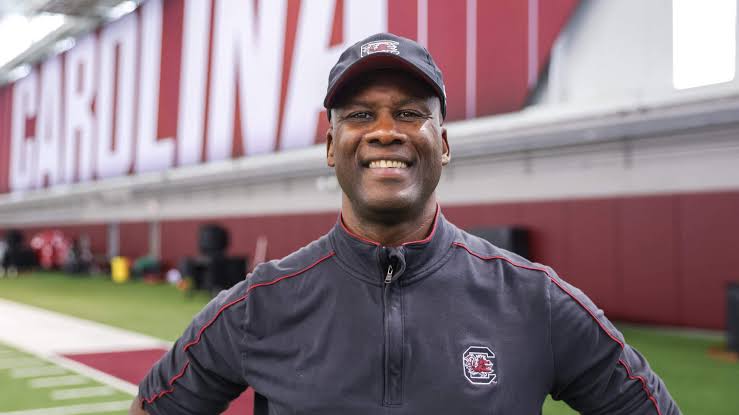
The South Carolina Gamecocks football program has made a significant move to bolster their defensive coaching staff with the appointment of Torrian Gray to the position of co-defensive coordinator. This hire represents a calculated effort by the program to enhance their defensive scheme and recruiting capabilities as they compete in the challenging Southeastern Conference landscape.
Gray’s Coaching Background and Experience
Torrian Gray brings a wealth of experience from various levels of college football, having established himself as a respected defensive backs coach and coordinator throughout his career. His coaching journey has included stops at several prominent programs where he developed a reputation for improving secondary play and contributing to overall defensive success.
Throughout his career, Gray has demonstrated an ability to develop defensive backs into productive players, both at the collegiate level and in preparing athletes for professional opportunities. His technical expertise in coverage schemes, press techniques, and safety play has been recognized across the coaching community.
What This Means for South Carolina’s Defense
Schematic Implications
The addition of Gray as co-defensive coordinator suggests South Carolina is looking to implement or refine specific defensive philosophies. His background indicates a potential emphasis on aggressive defensive back play, versatile coverage packages, and possibly more creative blitz schemes involving defensive backs.
The co-coordinator structure allows for collaborative defensive planning, where responsibilities can be divided based on expertise. This approach often results in more comprehensive game planning and the ability to make faster in-game adjustments.
Recruiting Impact
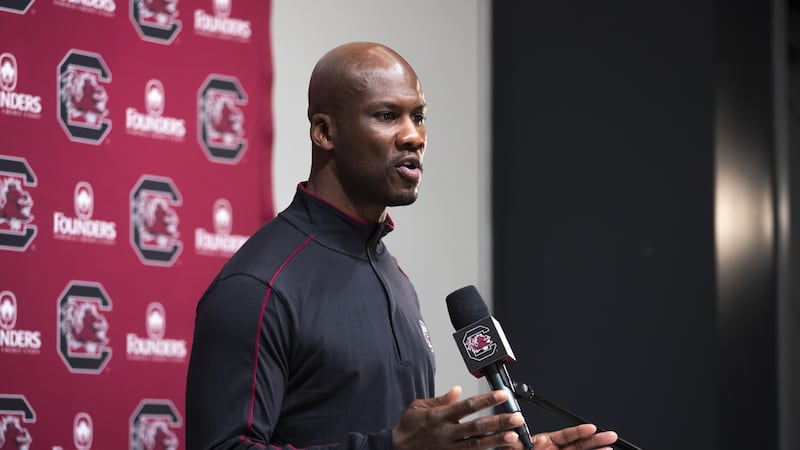
Coaching hires at the coordinator level typically carry significant recruiting implications. Gray’s relationships within the coaching community and his track record of player development make him a valuable asset on the recruiting trail. Defensive back prospects often gravitate toward programs with proven position coaches who can demonstrate a clear path to the next level.
His presence could help South Carolina compete more effectively for elite secondary prospects, particularly in talent-rich regions where he has established connections throughout his coaching career.
The Co-Coordinator Model
South Carolina’s decision to utilize a co-defensive coordinator structure reflects a growing trend in college football. This model offers several potential advantages:
Division of Labor: Responsibilities can be split between front seven and secondary, or by game planning versus in-game management, allowing each coordinator to focus their expertise where it’s most valuable.
Continuity and Depth: If one coordinator departs for another opportunity, the program maintains defensive continuity through the remaining coordinator.
Enhanced Communication: Multiple coordinators can facilitate better position group integration and more comprehensive defensive installations.
Expectations and Challenges
Immediate Goals
Gray will be expected to make an immediate impact on South Carolina’s defensive performance. Key objectives likely include:
- Improving pass defense metrics and reducing explosive plays allowed through the air
- Developing current roster talent to maximize their potential
- Contributing to defensive game planning and opponent-specific adjustments
- Making an immediate impression on the recruiting trail for the upcoming cycles
Potential Obstacles
The transition to a new program always presents challenges. Gray must quickly learn the existing defensive system, build relationships with current players, and integrate his philosophy with the overall defensive vision. The co-coordinator dynamic requires excellent communication and clear delineation of responsibilities to avoid confusion.
Additionally, SEC competition demands excellence. South Carolina faces elite offensive talent weekly, requiring sophisticated defensive schemes and exceptional player development to remain competitive.
Impact on Player Development
Current South Carolina defensive backs and safeties should benefit significantly from Gray’s appointment. His technical expertise can help refine techniques, improve decision-making, and enhance overall secondary play. Players with professional aspirations will particularly value coaching from someone with a track record of preparing athletes for the next level.
The presence of an experienced defensive coordinator can also elevate practice quality, as position coaches throughout the defense benefit from collaborative coaching and advanced scheme implementation.
Looking Forward
This coaching move signals South Carolina’s commitment to defensive improvement and their determination to compete at the highest level of SEC football. Gray’s appointment as co-defensive coordinator provides the program with experienced leadership, fresh perspectives, and enhanced credibility on the recruiting trail.
Success will ultimately be measured by on-field results: improved defensive statistics, player development, and the program’s ability to compete with conference rivals. The co-coordinator structure positions South Carolina to pursue these goals with enhanced coaching depth and expertise.
As the program moves forward, the integration of Gray’s defensive philosophy and the collaborative efforts of the coaching staff will be critical factors in determining whether this hire produces the desired impact on South Carolina’s defensive performance and overall competitiveness in the SEC.
Conclusion
The addition of Torrian Gray as co-defensive coordinator represents a meaningful investment in South Carolina’s defensive future. His experience, teaching ability, and recruiting acumen provide the Gamecocks with valuable assets as they navigate the demanding SEC schedule. While only time will reveal the full impact of this hire, the strategic reasoning behind the appointment and Gray’s proven background suggest this move could yield significant benefits for the program’s defensive trajectory.