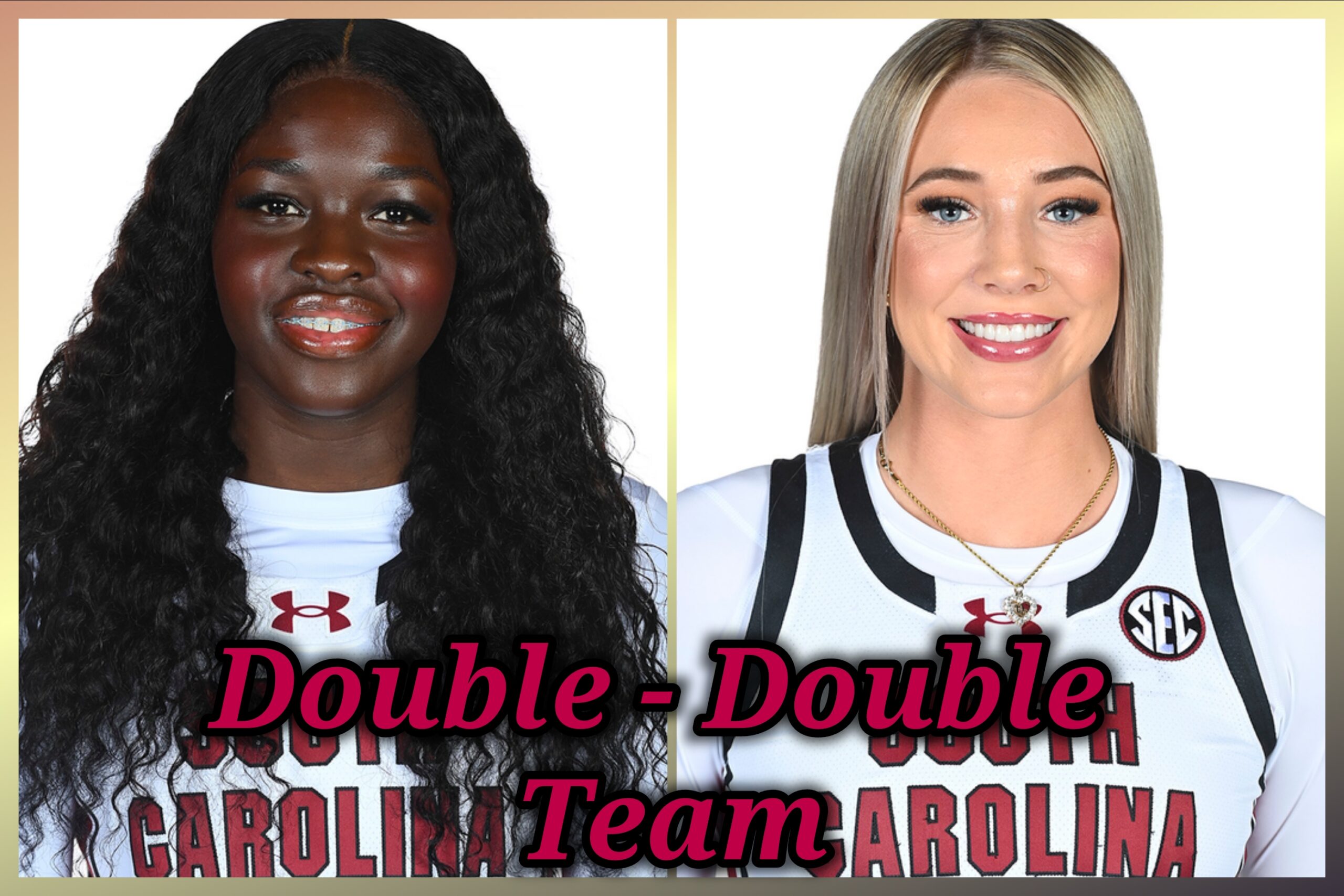
Columbia, SC — While Chloe Kitts remains sidelined recovering from an ACL tear, the talented forward continues to make invaluable contributions to South Carolina women’s basketball in ways that don’t appear in the box score. Her impact was evident in Agot Makeer’s triumphant return against Providence, where the wisdom shared between teammates on the bench translated into on-court success.
A Different Kind of Impact
Kitts’ absence from the court this season has been one of the storylines shadowing South Carolina’s campaign. The skilled post player, who was expected to be a cornerstone of the Gamecocks’ frontcourt rotation, suffered an ACL tear that ended her season before it began. However, rather than becoming a passive observer, Kitts has embraced a mentorship role that’s proving crucial to her teammates’ development.
For athletes accustomed to contributing through physical performance, the transition to supporting from the sidelines can be challenging. Yet Kitts has demonstrated the maturity and team-first mentality that defines championship programs, channeling her basketball knowledge and competitive spirit into helping her teammates improve.
Makeer’s Milestone Performance
Agot Makeer’s return to action against Providence after missing five games due to concussion protocol resulted in a career-defining performance—her first double-double with 10 points and a career-high 10 rebounds in 23 minutes of action. The achievement represented not just a statistical milestone but validation of the work Makeer had put in during her absence.
Following the game, Makeer was quick to credit the time she spent alongside Kitts on the bench during her recent absence as instrumental to her success.
Wisdom From the Bench
The conversations between Kitts and Makeer during the five games Makeer missed proved to be more than just casual interactions between injured teammates. They represented a knowledge transfer that helped Makeer see the game from a different perspective—one that ultimately enhanced her performance upon return.
“I’m happy to be in the double-double club now,” Makeer said postgame. “At the start of the season, I struggled to get into a rhythm a little bit. Being out for the last five games, I saw a different perspective from the sideline, sitting next to Chloe (Kitts). Still getting confidence from coaches and stuff helped a lot, so once I got out there, I knew it would come.”
The acknowledgment speaks volumes about Kitts’ ability to articulate the nuances of the game and share insights that might not be as apparent when you’re caught up in the moment-to-moment action on the court.
The Value of Peer Mentorship
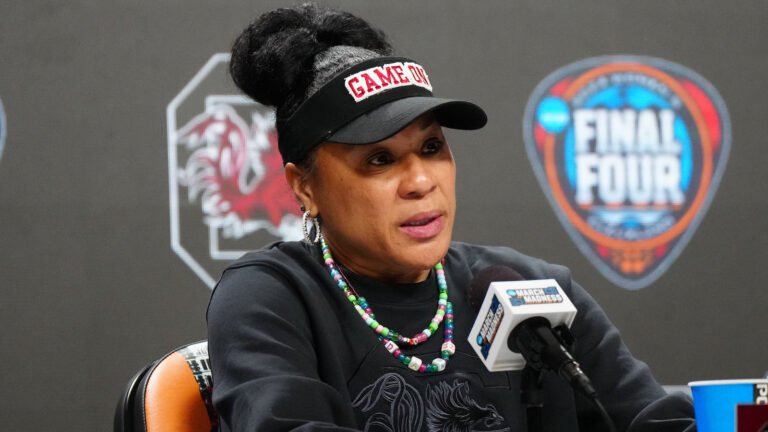
Head coach Dawn Staley has long recognized the unique value that peer-to-peer coaching provides within her program. When asked about Kitts’ evolving role and her conversations with teammates like Makeer, Staley emphasized the distinct impact of guidance coming from fellow players rather than coaches.
“Chloe’s matured so much over the years,” Staley said. “I think, bottom line, she wants to win, and she wants to put our team in the best possible position to win, and that is giving conversations where they’re needed. Like, and a lot of times it’s great when the information is coming from their peers. It’s probably something similar to what we’re saying as coaches. It’s just, you know, it’s taken a little bit differently when it’s their peers.”
Staley continued, highlighting the genuine motivation behind these interactions: “So, I mean, however we need to do it, however our players need to get better. Whoever’s voice they need to hear. I think it’s great, but it’s all coming from a place in which we want people to excel.”
What Kitts Likely Shared
While the specific details of Kitts’ advice haven’t been publicly disclosed, the nature of Makeer’s improved performance offers clues about the topics they likely discussed. Makeer’s 10 rebounds—a career high—suggest conversations about positioning, anticipation, and the mental aspects of securing boards at the highest level.
As someone who has played significant minutes in South Carolina’s system and faced elite competition, Kitts could offer insights about:
- Reading offensive and defensive flow: Understanding where missed shots are likely to go based on shot selection and defensive positioning
- Physical positioning: How to establish and maintain advantageous rebounding position without fouling
- Mental approach: Maintaining confidence and aggression even when the game isn’t going your way
- Pace and rhythm: How to find your flow within the team’s system, particularly after extended absences
- Recognition patterns: Identifying defensive schemes and how opponents try to limit your strengths
The Broader Cultural Impact
Kitts’ mentorship exemplifies the culture Dawn Staley has built at South Carolina—one where individual success is secondary to team achievement, and where players understand that contribution comes in many forms. This team-first mentality has been a hallmark of the program’s sustained excellence and its ability to develop not just skilled players but complete individuals.
For younger players like Makeer, having veterans like Kitts invested in their success creates an environment where growth accelerates. The willingness of established players to share knowledge freely, even when sidelined by injury, reinforces the collaborative atmosphere that makes South Carolina’s program special.
Makeer’s Growth Trajectory
Makeer’s acknowledgment that she “struggled to get into a rhythm a little bit” at the season’s start reflects the challenges many players face in finding their role within a loaded roster. The forced time away from competition, while frustrating, provided an unexpected opportunity to reset mentally and gain perspective.
Sitting alongside Kitts during games allowed Makeer to watch the game unfold with someone who could explain the why behind various situations—why certain defensive rotations occur, why offensive sets develop certain ways, and how to anticipate rather than just react.
The confidence Makeer mentioned receiving from coaches “and stuff”—likely including her conversations with Kitts—translated into a more assertive, effective performance upon her return. Her willingness to attack the glass and contribute across multiple statistical categories demonstrated a player who had processed lessons and emerged with enhanced understanding.
Looking Ahead: Kitts’ Continued Influence
As South Carolina navigates the challenges of SEC play, Kitts’ role as a mentor and basketball mind could prove increasingly valuable. With Ta’Niya Latson now dealing with an ankle injury and roster depth being tested, having Kitts available to provide insight and encouragement to players being asked to step into expanded roles could be crucial.
Her understanding of South Carolina’s system, combined with her ability to communicate effectively with teammates, makes her an extension of the coaching staff in many ways. For players suddenly facing increased responsibilities or navigating their own injury recoveries, Kitts serves as both a resource and an inspiration.
The Silver Lining in Adversity
While no one would choose injury as a path to growth, Kitts has demonstrated remarkable maturity in finding ways to contribute despite her inability to play. Her investment in teammates like Makeer reflects a understanding that her legacy at South Carolina will be defined not just by personal statistics but by how she helped elevate those around her.
For Makeer, the double-double against Providence represents validation of the work she’s put in and the wisdom she’s absorbed. The career-high 10 rebounds particularly stand out as evidence of improved positioning and anticipation—exactly the sort of improvement that comes from studying the game alongside someone like Kitts who understands the nuances of post play.
A Testament to Program Culture
The Kitts-Makeer dynamic exemplifies why South Carolina continues to attract elite talent and develop players beyond their physical abilities. Recruits see a program where veterans invest in their development, where contributions are valued regardless of their form, and where the team concept isn’t just rhetoric but lived reality.
As Makeer continues building on her breakthrough performance and Kitts works toward her own return to the court—whether later this season or in future years—their shared experience on the bench will remain a testament to the power of mentorship, the value of perspective, and the culture that makes South Carolina women’s basketball more than just a collection of talented individuals.
In a sport often defined by individual statistics and highlight plays, the story of how an injured player helped a concussed teammate return stronger than ever reminds us that basketball’s greatest lessons often occur away from the spotlight, in quiet conversations between teammates united by common purpose and genuine care for each other’s success.