“USC Makes It Official: Jaw-Dropping Contract and Salary Details Revealed for New Special Teams Coach”
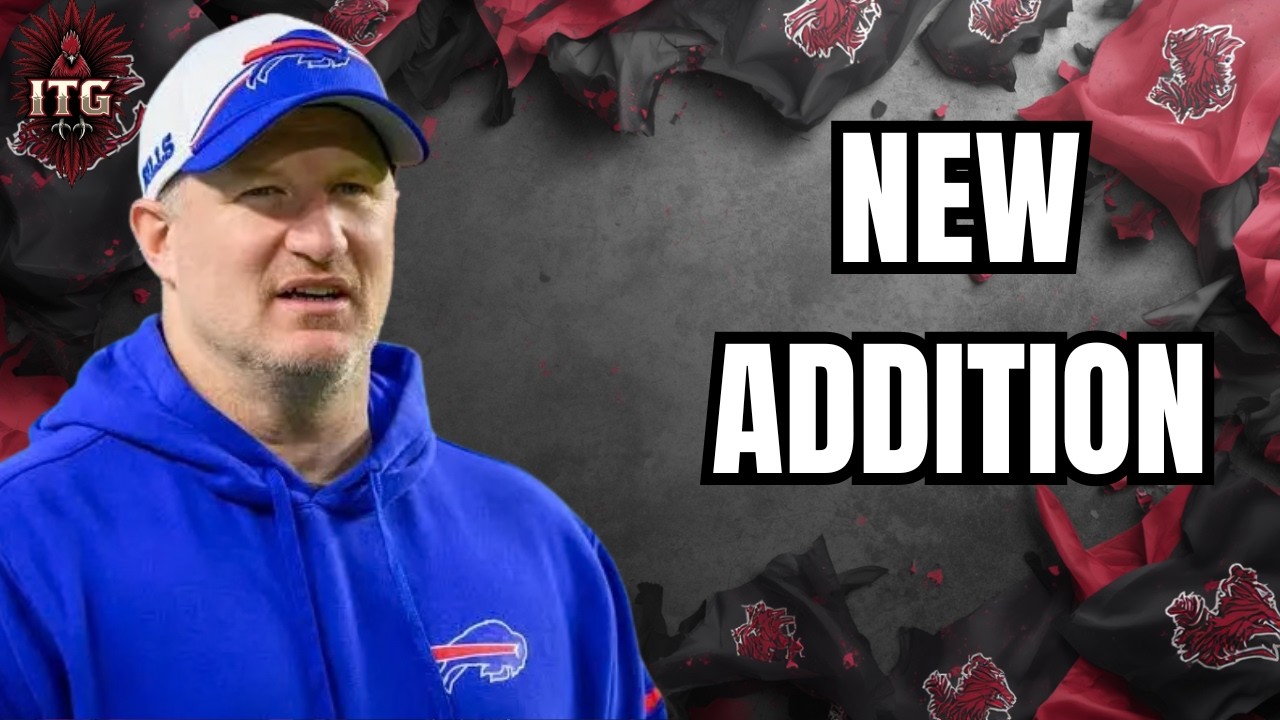
South Carolina has now put the finishing touches on its 2026 coaching staff, and the final piece is officially locked in.
Less than a week after announcing as the new special teams coordinator, the University of South Carolina Board of Trustees approved his contract Friday, solidifying a three-year deal that runs through Dec. 31, 2028. Smiley will earn $700,000 annually.
The move comes after former coordinator departed in mid-February to take the same position with the . DeCamillis was making $850,000 per year, meaning South Carolina saves $150,000 annually with Smiley’s hire — though the decision appears rooted more in fit and philosophy than finances.
NFL Pedigree, SEC Expectations
Smiley arrives in Columbia after spending 2025 as Penn State’s assistant special teams coordinator, but his résumé is defined by an eight-year stint with the , including three seasons (2022–24) as their special teams coordinator. That NFL background matters in the SEC, where hidden yardage and field position often swing tight games.
For head coach , the hire wasn’t about flash — it was about trust and alignment.
“I believe in hiring good people and letting them coach,” Beamer said of Smiley. “He’s an established special teams coordinator. He knows what he wants and knows how he wants to get it done.”
That clarity is crucial for a program where special teams are not just another phase — they’re part of the identity. Beamer, the son of longtime Virginia Tech coach Frank Beamer, has long emphasized special teams excellence as a competitive edge.
A Unit Close to the Head Coach’s Heart
Interestingly, Beamer admitted he had never met Smiley before the interview process. But as soon as DeCamillis left, his phone lit up with endorsements.
Though the article stops short of naming those references, the implication is clear: Smiley’s reputation in coaching circles helped close the gap.
Still, there’s one dynamic that will shape this partnership more than any résumé line. Special teams at South Carolina aren’t delegated lightly.
“It’s certainly my background and my baby,” Beamer said. “In a lot of ways, he’s going to realize that I’m, as a head coach, probably more involved with special teams than anybody he’s ever worked for.”
That statement is revealing. Smiley isn’t walking into a hands-off environment. He’s stepping into a collaborative structure where the head coach has deep technical knowledge and emotional investment in the phase. For the right coach, that can be empowering. For the wrong one, it can be restrictive.
Beamer clearly believes Smiley is the right fit.
Salary Structure Signals Staff Stability
With Smiley’s deal finalized, South Carolina’s 2026 salary pool underscores its investment in continuity and competitive staffing:
- Shane Beamer, Head Coach — $8.2 million
- Clayton White, Defensive Coordinator/Inside Linebackers — $2 million
- Kendal Briles, Offensive Coordinator/Quarterbacks — $2 million
- Torrian Gray, Defensive Pass Game Coordinator/Defensive Backs — $1 million
- Stan Drayton, Assistant Head Coach–Offense/Running Backs — $775,000
- Shawn Elliott, Run Game Coordinator/Tight Ends — $775,000
- Randy Clements, Offensive Line — $725,000
- Matthew Smiley, Special Teams — $700,000
- Deion Barnes, Defensive Ends/Outside Linebackers — $675,000
- Mike Furrey, Passing Game Coordinator/Wide Receivers — $650,000
- Travian Robertson, Defensive Line — $550,000
The numbers reflect SEC market realities, but they also show a balanced distribution across phases. Smiley’s $700,000 salary places him solidly in the middle tier of the staff — a meaningful investment, though not at coordinator-top levels like White or Briles.
The Bigger Picture
Replacing a respected NFL veteran like DeCamillis is never simple. But in Smiley, Beamer gets a coach with NFL coordinating experience, strong endorsements, and a proven track record in one of the league’s most stable organizations.
Now, the challenge becomes execution.
In the SEC, special teams can decide championships. And at South Carolina, they’re more than strategy — they’re legacy.
About The Author