Todd Ellis’ Remarkable South Carolina Legacy Earns National Recognition
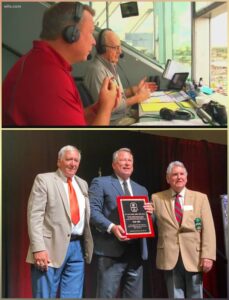
South Carolina football has had many memorable players, coaches and moments throughout its history, but few individuals have remained connected to the program for as long as Todd Ellis. The longtime Gamecock broadcaster has now received national recognition for a broadcasting career that has kept him closely tied to the university for more than three decades.
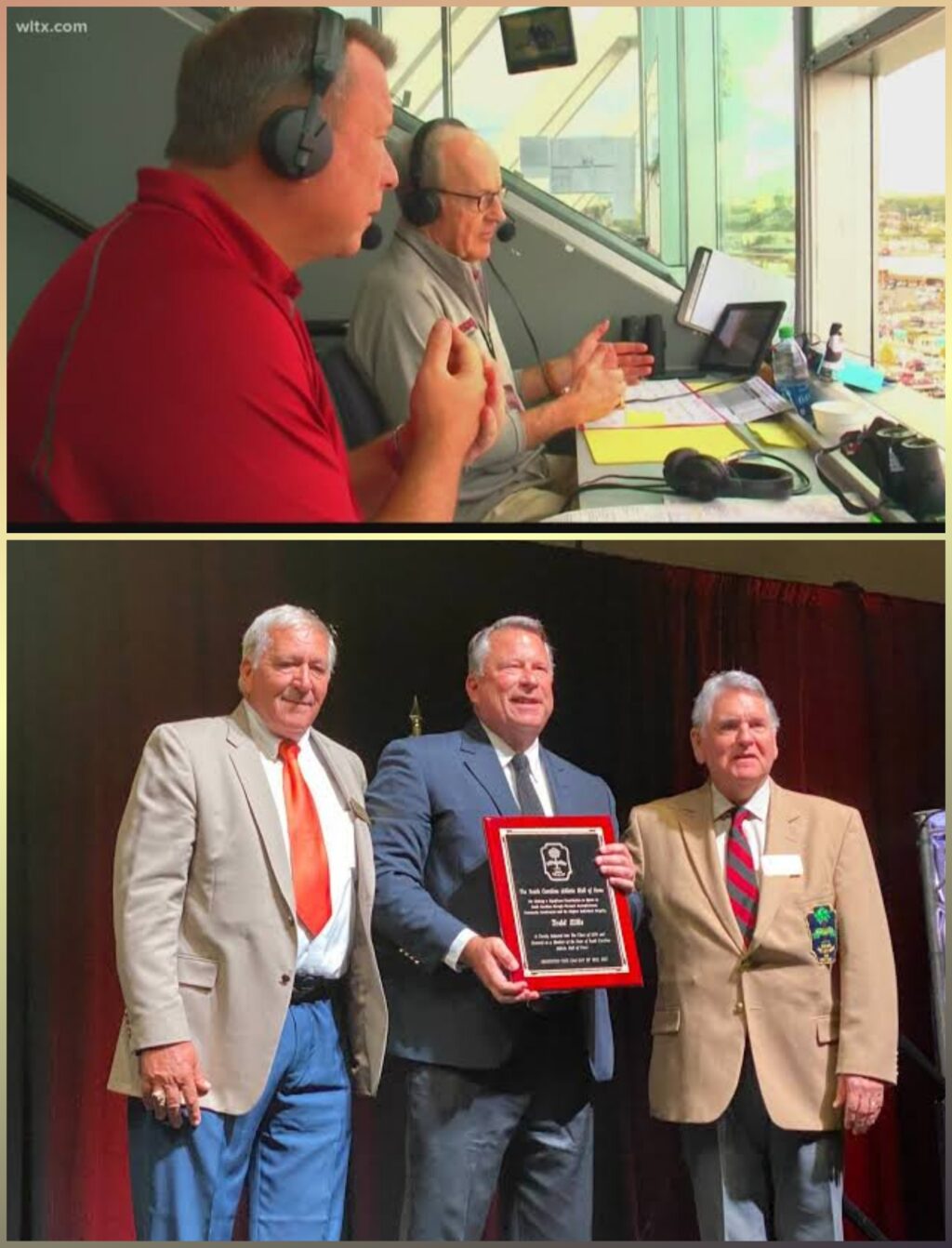
Ellis has been selected as the recipient of the Chris Schenkel Award, an honor presented annually by the National Football Foundation and College Football Hall of Fame. The award recognizes broadcasters who have built long and distinguished careers covering college football while maintaining a significant connection to a particular university.
For Ellis, that connection is especially meaningful because his relationship with South Carolina began long before he entered the broadcast booth.
NFF President and CEO Steve Hatchell highlighted the unusual path Ellis has taken from Gamecock quarterback to the radio voice of the program.
“Todd Ellis has been part of the fabric of South Carolina football for more than 40 years.”
Hatchell noted that Ellis first established himself as one of South Carolina’s notable quarterbacks before finding another way to remain connected to the university.
“He first made his mark as one of the great quarterbacks in Gamecock history, and then he found a way to stay connected to the game and the university he loves by becoming its voice.”
That combination of playing and broadcasting experience has made Ellis a distinctive figure in South Carolina athletics. He spent four seasons as South Carolina’s starting quarterback from 1986 through 1989 and remains the program’s career leader in passing yards, with 9,953.
After his playing career, Ellis moved into broadcasting while attending law school at South Carolina. He initially worked as a sideline reporter and color analyst before eventually becoming the program’s primary radio play-by-play announcer.
Today, Ellis has spent 35 years with the Gamecock Sports Network, including the last 24 seasons as the voice of South Carolina football radio broadcasts. He also remains involved with the program through Shane Beamer’s weekly radio call-in show and television program.
Ellis admitted that his unconventional path into play-by-play broadcasting was not universally accepted at first.
“There was, and is, pushback from a former player doing the play-by-play job.”
He explained that former players entering broadcasting can face questions about whether they should be analysts rather than play-by-play voices. Because of that history, receiving the Schenkel Award carries additional significance for Ellis.
“But to have come from my background and then get acknowledged in this arena is really, really special.”
The award also recognizes something larger than Ellis individually: the remarkable continuity surrounding South Carolina’s radio broadcasts. Ellis emphasized that his longevity would not have been possible without the people working alongside him.
Among those he mentioned were Tommy Suggs, David Spence, Liz McMillan and Doug Adams, who have collectively contributed decades of experience to the broadcast operation.
Ellis described the group as:
“It’s a well-oiled machine.”
He also stressed that the friendships and trust developed over years in the booth are central to the experience.
“I love it, I love the Gamecocks — but I wouldn’t do it if the booth wasn’t as good.”
Ellis is now one of only 31 broadcasters to have received the Chris Schenkel Award since its creation in 1996. The honor will be presented at the National Football Foundation’s Annual Awards Dinner on Dec. 8.
Ultimately, Ellis’ recognition represents more than an individual broadcasting achievement. It reflects four decades of continuity with South Carolina football, beginning with his days as a quarterback and continuing through generations of fans who have heard him describe Gamecock games. His career demonstrates how a former player can develop a second, enduring role within the same program—and remain part of its identity long after his playing days ended.
About The Author