From Staley’s “Steal” to Program Builder: The Unlikely Journey of Tina Roy’s Second Act
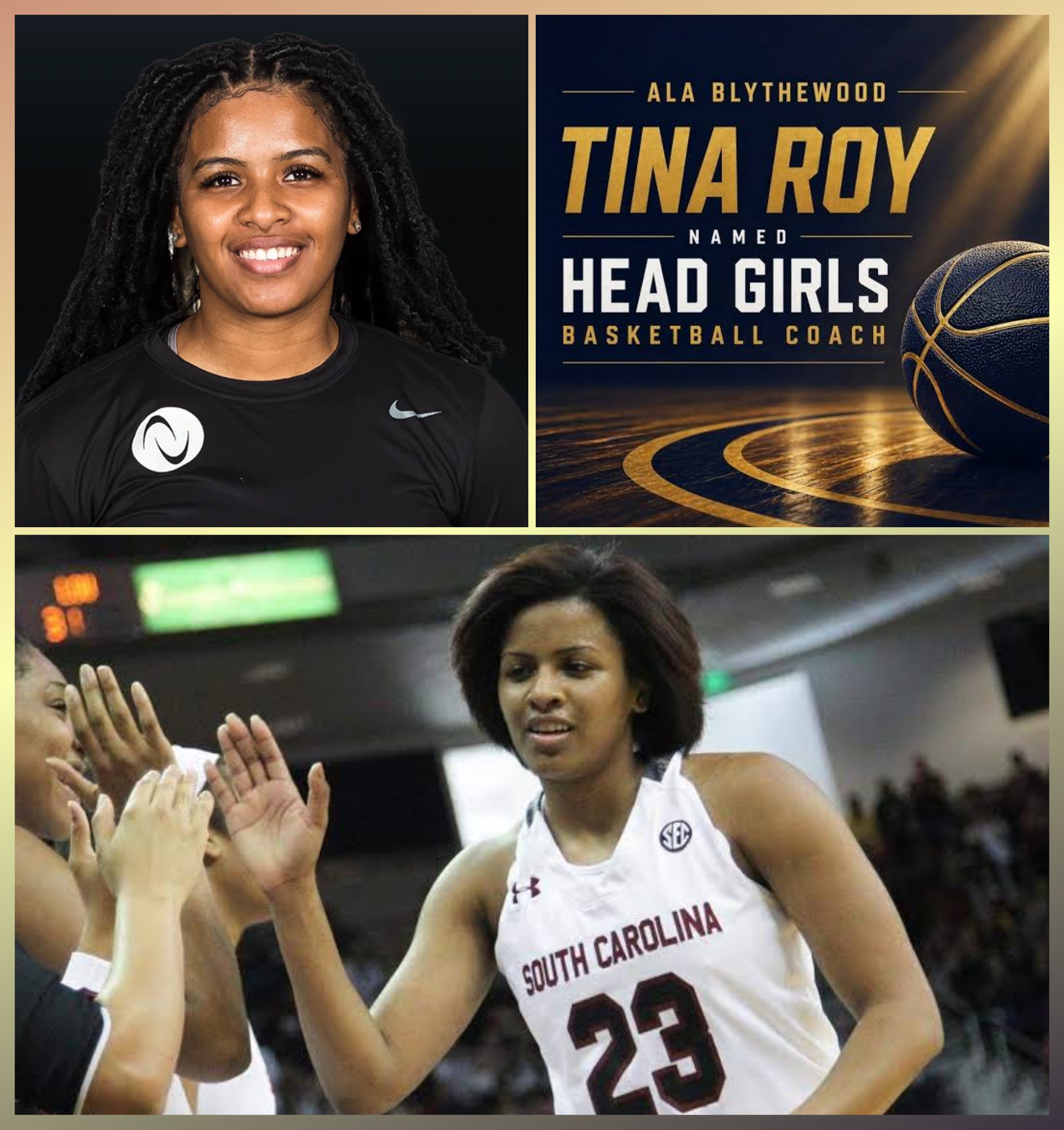
Tina Roy’s career path reads like a carefully plotted coming-of-age story with an unexpected climax. The former South Carolina standout—described by legendary coach Dawn Staley as a “steal” when she signed out of Kaplan High in Louisiana—has come full circle, ready to construct her own basketball legacy from the ground up.
The South Carolina women’s basketball program is releasing one of its foundational pillars to lead the girls basketball program at American Leadership Blythewood, the state’s newest charter school opening for the 2026-27 school year. Roy will serve as the first girls basketball head coach in the school’s history, tasked with building a program from scratch rather than inheriting an established one.
The Gamecocks’ Pioneer Years
Roy’s significance to South Carolina’s rise cannot be overstated. Playing from 2011-16 under Staley during the program’s formative years of excellence, Roy left an indelible mark on school records that speaks to her durability and commitment. She holds the distinction of playing the most games in South Carolina history with 139 appearances—a testament not just to her talent but to her reliability and longevity.
Her résumé as a player was distinguished: a prolific three-point shooter who ranked among the top marksmen during the 2015-16 season, and a cornerstone of South Carolina’s early dominance in the Southeastern Conference. She was instrumental in three consecutive SEC regular season championship teams from 2014-16 and helped secure two SEC Tournament titles. These weren’t marginal accomplishments—they were foundational to establishing South Carolina as a power program during Staley’s transformative years.
The Road Less Traveled
What makes Roy’s trajectory particularly intriguing is what happened after her playing days ended. Rather than pursuing a conventional coaching path, Roy demonstrated an entrepreneurial spirit that transcended basketball. She received an NBA training camp invitation with the Atlanta Dream and later competed in the Athletes Unlimited league—evidence that her talent extended beyond the collegiate level.
But Roy’s career diversification is what truly sets her apart. She spent time with the Richland County Sheriff’s Department, managing body cameras—a role that suggests professional ambition beyond the hardwood. Most unexpectedly, Roy ventured into music and songwriting, penning “RCSD Proud” for the Richland County Sheriff’s department in 2019. Remarkably, Staley appeared in the accompanying music video, a poignant moment that captured the deep bond between coach and former player.
This unconventional path eventually led Roy back to basketball in different capacity. She served as head coach at her alma mater, Kaplan High School in Louisiana, earning regional coach of the year honors in 2023. She also worked as an assistant coach at The Galloway School in Atlanta, Georgia. These experiences—away from the spotlight of major programs—appear to have prepared her for the unique challenge ahead.
Building From Nothing
Roy’s appointment at ALA Blythewood represents something fundamentally different from her previous coaching roles. This isn’t joining an established program or returning to a familiar institution. This is architecting a girls basketball culture at a school that doesn’t yet exist in its competitive form. Most of ALA’s teams will compete on JV schedules, but boys and girls basketball will operate on the varsity level immediately—placing outsized pressure on leadership to establish winning culture quickly.
The school is joining the South Carolina High School League as an at-large member in 2026-27, with plans to pursue full-time membership thereafter. Roy will be among the first coaches to build programs at ALA Blythewood. Recently hired Bill Bacon, who joins as head boys soccer coach and assistant football coach (both roles he previously held at Westwood and Lugoff-Elgin), will face similar foundational challenges.
The timing of Roy’s hire—with announcements for boys basketball and softball hires expected imminently—suggests ALA Blythewood is moving quickly to establish credibility in multiple sports. Roy’s combination of experience, deep connections to elite basketball culture through her South Carolina years, and her willingness to take unconventional career risks makes her well-suited for this pioneering role.
For Roy, this appointment represents validation that her diverse career path—law enforcement, music, assistant coaching, regional success—has been preparation, not distraction. She moves from being a building block under Staley to becoming the architect of something entirely new. That’s not just a career transition; it’s a redemptive narrative about second acts in American sports.
About The Author