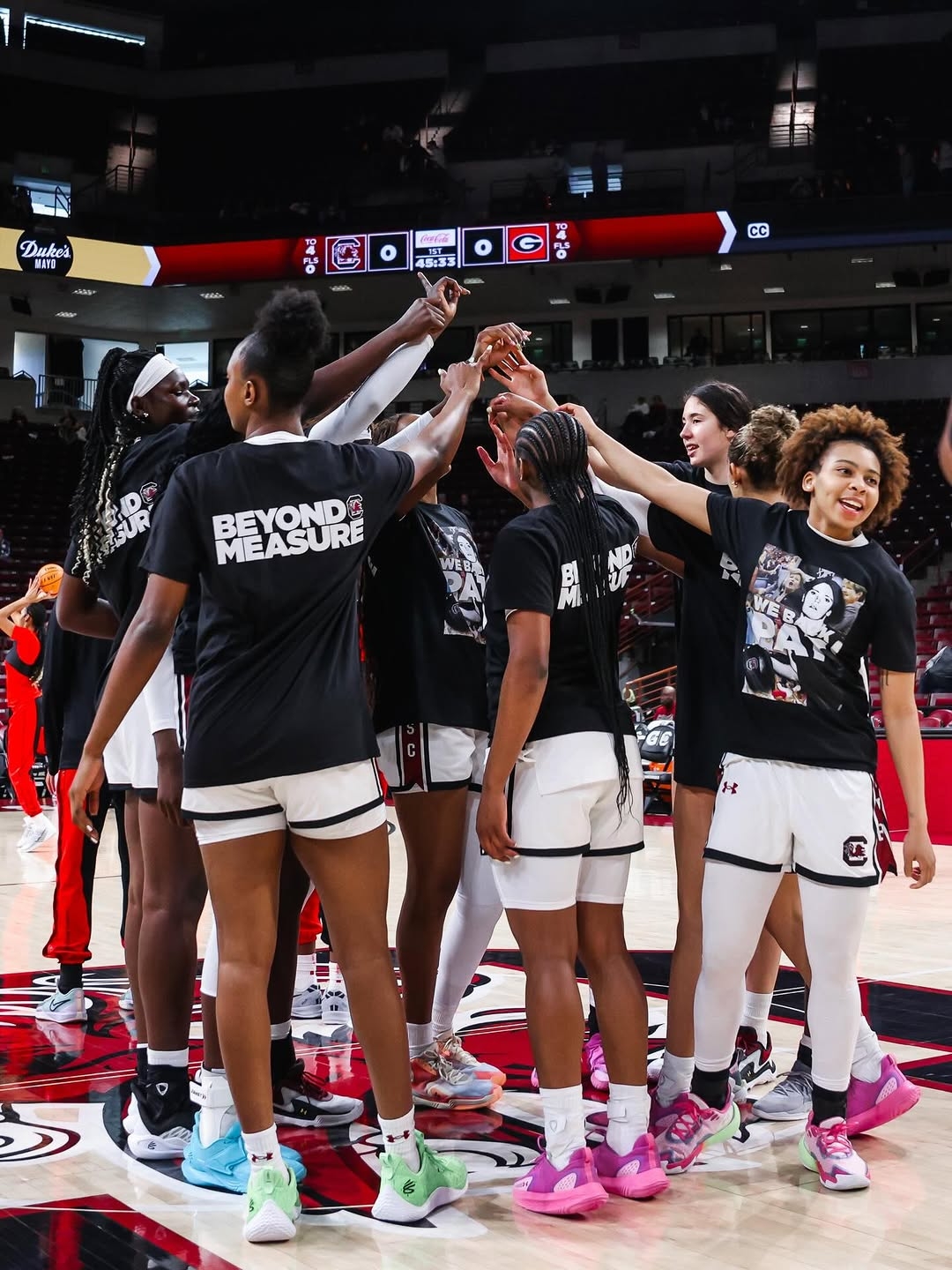
Columbia, SC — In a significant development for the South Carolina Gamecocks, Matt Fuller has officially announced his return to the program, marking a homecoming that could have substantial implications for the team’s future direction and success.
A Familiar Face Returns
Fuller’s decision to rejoin South Carolina represents a reunion with a program where he presumably has existing relationships, institutional knowledge, and familiarity with the culture and expectations. Returns to previous employers in college athletics are often viewed as indicators of positive past experiences and mutual respect between the individual and the organization.
The announcement of Fuller’s return suggests that both parties see value in rekindling their professional relationship. For Fuller, the decision to come back to Columbia likely reflects confidence in the program’s direction, appreciation for the leadership structure, and belief that South Carolina offers him the best opportunity to succeed in his role—whether that’s in coaching, administration, or another capacity within the athletic department.
The Significance of Returns
When professionals in college athletics choose to return to previous employers, it often carries special meaning:
Institutional Knowledge: Fuller brings familiarity with South Carolina’s systems, culture, and operational procedures that allows him to be productive immediately without the typical adjustment period required for new hires.
Established Relationships: Pre-existing connections with staff members, administrators, and potentially players or recruits can provide advantages in collaboration and communication that new arrivals must build from scratch.
Proven Fit: The fact that Fuller is returning suggests his previous tenure was successful enough that both he and the program view the relationship as mutually beneficial, reducing the risk inherent in any new hire.
Program Continuity: For programs seeking stability and consistent identity, bringing back familiar figures can help maintain institutional memory and philosophical consistency.
Context Within the Program
Fuller’s return comes at a time when South Carolina athletics is navigating various challenges and opportunities across its programs. Whether his role relates to football, another sport, or administrative functions, the timing of his announcement may connect to:
Staff Reconstruction: Programs regularly refresh their staffs to bring in new perspectives or address areas needing improvement. Fuller’s return could fill a vacancy created by recent departures or represent an addition to expand capabilities.
Strategic Initiatives: His specific expertise may align with particular goals the program has identified for the coming years, whether related to recruiting, player development, operations, or other critical functions.
Leadership Changes: New leadership often brings back trusted colleagues from previous stops. If there have been recent changes in South Carolina’s athletic administration or coaching staffs, Fuller’s return might reflect those new leaders’ preferences.
What Fuller Brings
While the specific nature of Fuller’s role would clarify exactly what he contributes, professionals returning to college athletic programs typically bring:
Experience and Expertise
The time spent away from South Carolina likely provided Fuller with additional experiences, perspectives, and skills that he can now apply to benefit the Gamecocks. Whether he’s been at other collegiate programs, in professional sports, or in different roles entirely, the diversity of experience often enhances someone’s value upon return.
Recruitment Connections
If Fuller’s role involves recruiting in any capacity, his network of high school coaches, club coaches, and other contacts developed over his career becomes an immediate asset for South Carolina’s efforts to attract talent.
Strategic Vision
Time away from an organization often provides perspective on its strengths, weaknesses, and opportunities for improvement. Fuller may return with fresh ideas about how South Carolina can optimize operations, improve performance, or gain competitive advantages.
Mentorship Capabilities
Experienced professionals returning to programs often serve mentorship roles for younger staff members, sharing knowledge accumulated over years in the profession and helping develop the next generation of leaders.
The Decision-Making Process
Fuller’s choice to return to South Carolina likely involved careful consideration of multiple factors:
Professional Growth: Does this position offer opportunities for advancement, skill development, or expanded responsibilities that serve his long-term career goals?
Program Trajectory: Is South Carolina positioned to compete at the level Fuller wants to be associated with, and does leadership have a clear vision for sustained success?
Personal Considerations: Do the location, lifestyle, and family considerations align with his personal priorities and life stage?
Competitive Compensation: Does the financial package reflect his market value and provide the security and recognition his experience warrants?
Cultural Fit: Does he mesh well with current leadership and believe he can work effectively within the existing structure?
Program Perspective
From South Carolina’s standpoint, bringing Fuller back represents a strategic decision that likely reflects:
Confidence in Previous Performance: His earlier tenure presumably demonstrated competence and value that the program wants to tap into again.
Trust and Chemistry: Leadership believes Fuller will integrate smoothly with existing staff and contribute positively to the program’s culture and collaborative environment.
Specific Need: His particular skill set addresses a current gap or need within the organization that makes him particularly valuable at this moment.
Risk Mitigation: Hiring someone with a proven track record at your institution reduces the uncertainty inherent in bringing in someone completely new to the program.
Fan and Community Reception
South Carolina’s passionate fanbase likely has opinions about Fuller’s return based on memories of his previous tenure. If his earlier work was viewed positively and associated with successful periods for the program, his return may generate enthusiasm and optimism. Conversely, if his previous role coincided with struggles, some supporters may question the decision to bring back someone associated with less successful times.
The reception also depends heavily on what role Fuller is assuming and what expectations accompany that position. High-profile roles naturally generate more attention and scrutiny than behind-the-scenes positions.
Looking Forward
Fuller’s announcement marks just the beginning of this new chapter in his relationship with South Carolina. The true measure of success will come through:
Performance Outcomes: Whether the areas of the program he influences show improvement and achieve established goals.
Relationship Building: How effectively he reconnects with familiar faces and establishes rapport with those who’ve joined since his departure.
Adaptation: His ability to apply lessons learned during his time away while respecting what makes South Carolina unique.
Sustained Impact: Whether his contributions prove durable and help position the program for long-term success rather than just short-term gains.
The Bigger Picture
In the constantly evolving landscape of college athletics, where coaching staffs and administrative personnel change with increasing frequency, Fuller’s return to South Carolina represents a countertrend toward valuing institutional knowledge and established relationships. While the industry often emphasizes bringing in fresh perspectives through new hires, there’s also value in recognizing when returning to previous successful partnerships makes strategic sense.
His decision to come back, and South Carolina’s decision to welcome him, suggests mutual recognition that their best path forward involves collaboration based on proven past success and shared understanding of what it takes to excel in their respective roles.
Conclusion
Matt Fuller’s announcement that he’s returning to South Carolina adds an intriguing element to the Gamecocks’ ongoing efforts to position themselves for success. Whether his role involves coaching, recruiting, operations, or administrative functions, bringing back someone familiar with the program provides both opportunities and expectations.
For Fuller, this homecoming represents a vote of confidence in South Carolina’s direction and his belief that he can make meaningful contributions to the program’s success. For the Gamecocks, his return signals strategic thinking about how to blend institutional knowledge with whatever fresh perspectives and experiences he’s gained during his time away.
As this new chapter unfolds, the South Carolina community will be watching to see how Fuller’s return impacts the program’s performance and trajectory. In college athletics, where change is constant and success is measured in tangible outcomes, announcements like these create optimism that must ultimately be validated through results on fields, courts, or in whatever arena Fuller’s contributions will be most directly felt.
The coming months and years will reveal whether this reunion proves as successful as both parties clearly hope it will be.