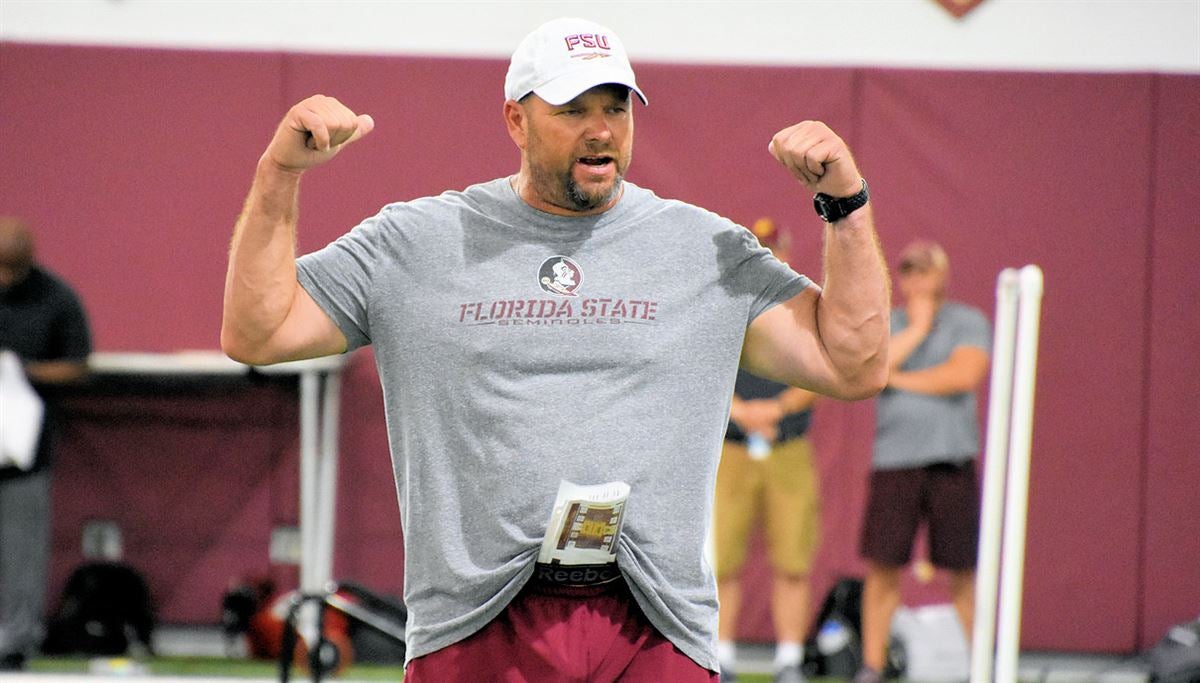
Columbia, SC — In his first extensive comments since South Carolina’s disappointing 2025 campaign concluded, coordinator Randy Clements has broken his silence to address the program’s future plans and his vision for a 2026 rebound. The candid discussion comes as the Gamecocks look to move past what many have characterized as a disastrous season that fell far short of expectations.
A Season to Forget
The 2025 season proved to be a major setback for South Carolina football, with the program experiencing the kind of struggles that prompted difficult questions about direction, execution, and personnel. While specific win-loss records and statistical breakdowns would provide fuller context, the characterization of the season as a “disaster” suggests the Gamecocks failed to meet the standards established during previous years under head coach Shane Beamer.
For programs competing in the SEC, even a single down year can feel catastrophic given the conference’s intensity and the expectations that come with major college football. South Carolina, which had shown progress in recent seasons and appeared positioned to compete for bowl eligibility and respectability within the conference, instead found itself dealing with the disappointment of regression.
Clements Steps Forward
Randy Clements’ decision to publicly address the situation represents an important moment of accountability and forward-thinking leadership. As a coordinator—whether on the offensive or defensive side of the ball—Clements bears significant responsibility for his unit’s performance and plays a crucial role in shaping the team’s strategic approach.
His willingness to break silence and discuss 2026 plans suggests several possibilities:
Acknowledging Shortcomings: Effective leadership requires honest assessment of what went wrong. Clements’ public comments likely included some acknowledgment of areas where his unit underperformed and acceptance of responsibility for those failures.
Presenting Solutions: Beyond identifying problems, coordinators must articulate clear plans for improvement. Clements presumably outlined specific adjustments, whether schematic, personnel-related, or developmental, that he believes will lead to better results.
Restoring Confidence: After a disappointing season, coaches must work to maintain recruit interest, prevent transfer portal departures, and reassure fans and administrators that the program remains on solid footing despite recent struggles.
The 2026 Vision
While the specific details of Clements’ comments would provide crucial insight into his plans, coordinators addressing future seasons typically focus on several key areas:
Schematic Adjustments
Failed seasons often prompt evaluation of whether the team’s scheme fits its personnel or whether adjustments are needed. Clements may have addressed:
- Whether the system employed in 2025 maximized player strengths
- Potential incorporation of new concepts or approaches
- How the scheme will adapt to personnel changes through recruiting and the transfer portal
- Lessons learned from successful opponents and trends across college football
Personnel Development
Coordinator comments about future seasons invariably touch on player development:
- Which returning players are expected to take significant steps forward
- How younger players who gained experience in 2025 will contribute more substantially in 2026
- The importance of offseason strength and conditioning programs
- Mental and technical development areas that will receive emphasis
Recruiting and Roster Construction
The modern college football landscape, with the transfer portal and NIL considerations, requires constant attention to roster management:
- How the 2026 recruiting class addresses needs exposed during the 2025 season
- Potential transfer portal targets that could provide immediate impact
- Retention of current players who might consider transferring after a disappointing season
- Building depth at positions that proved problematic in 2025
Cultural and Psychological Elements
Beyond X’s and O’s, coordinators must address the mental and cultural aspects of recovery:
- How the team will use 2025’s disappointments as motivation
- Building or rebuilding confidence after a difficult season
- Establishing accountability standards to prevent similar failures
- Creating urgency without desperation as the team works toward 2026
The Coordinator’s Challenge
Clements faces the delicate challenge of honest assessment without undermining confidence, acknowledging problems without making excuses, and presenting an optimistic vision while maintaining credibility. Coordinators walking this tightrope after disappointing seasons must demonstrate they understand what went wrong while convincing stakeholders they possess the solutions.
His public comments serve multiple audiences:
Current Players: Need reassurance that the program has a clear path forward and that their investment in South Carolina will be rewarded with improvement.
Recruits and Transfers: Must believe the 2025 struggles were an aberration rather than a trend, and that joining or staying with the program represents a sound decision.
Fans and Donors: Deserve transparency about what happened and confidence that coaching staff has identified and will address the root causes of failure.
Administration: Requires evidence that coordinators recognize problems, take responsibility, and have concrete plans for improvement.
The Pressure of SEC Competition
Operating within the SEC amplifies the urgency of South Carolina’s turnaround efforts. The conference’s depth and quality mean that even modest improvement may not translate to significantly better results if the team isn’t progressing faster than its competitors.
Clements’ plans for 2026 must account for:
- The continued elite status of programs like Georgia, Alabama, and Texas
- Rising programs like Ole Miss and Missouri that have established momentum
- Traditional rivals like Clemson that provide measuring-stick games
- The conference’s overall talent level that requires near-perfection in preparation and execution
Organizational Stability Questions
When seasons go poorly, speculation naturally arises about staff stability. Clements’ willingness to discuss 2026 plans may indicate:
- Confidence in his job security and continued role with the program
- Support from head coach Shane Beamer for his approach and vision
- Administrative backing despite disappointing results
- A united front within the coaching staff about the path forward
Alternatively, such comments could represent an effort to demonstrate value and forestall potential changes, though public discussion of future plans typically suggests a coordinator expects to be part of that future.
The Fan Perspective
South Carolina’s passionate fanbase, after experiencing a disappointing 2025, needed to hear from coordinators and coaches about how the program intends to respond. Silence in the face of failure breeds speculation and erodes confidence, while transparent communication—even when acknowledging shortcomings—can help maintain support during difficult periods.
Clements’ decision to break silence likely resonates with fans who want accountability and answers rather than platitudes or deflection. The substance of his comments will ultimately determine whether they restore confidence or simply acknowledge problems without offering compelling solutions.
Historical Context
College football history is replete with programs that suffered disappointing seasons before rebounding strongly. The key differentiators between programs that recover and those that spiral typically include:
- Honest assessment of what went wrong
- Willingness to make necessary changes
- Maintenance of recruiting momentum
- Player development and roster management
- Avoiding panic-driven decisions that create instability
Clements’ approach to addressing 2025’s failures and presenting 2026 plans will significantly influence which category South Carolina falls into.
The Road Ahead
As South Carolina moves through the offseason, Clements’ public comments mark an important first step in the recovery process. However, words must translate into actions:
- Offseason workouts that build strength, speed, and conditioning
- Spring practice that implements new concepts and evaluates personnel
- Recruiting success that addresses weaknesses and adds impact players
- Summer development that shows tangible improvement from returning players
- Fall camp that demonstrates the team has learned from 2025’s mistakes
Conclusion
Randy Clements’ decision to break silence and address South Carolina’s 2026 plans following a disastrous 2025 season represents a critical moment for the program. His comments, whatever their specific content, signal recognition that change is necessary and that the coaching staff has identified paths toward improvement.
For Gamecock fans, players, and recruits, the coming months will reveal whether Clements’ vision translates into tangible progress. The 2026 season will ultimately judge the merit of plans discussed now, but the willingness to publicly address failures and articulate solutions represents an important first step in South Carolina’s efforts to return to competitive relevance within the SEC.
As college football’s ever-accelerating cycle continues, South Carolina has limited time to translate coordinator comments into on-field improvement. The program’s trajectory—whether toward recovery and renewed competitiveness or continued struggle—will be substantially determined by how effectively Clements and the coaching staff execute the vision he’s now publicly articulated.