Chloe Kitts’ Recovery Progressing Ahead of Schedule: Three-Month Milestone Shows Promising Signs

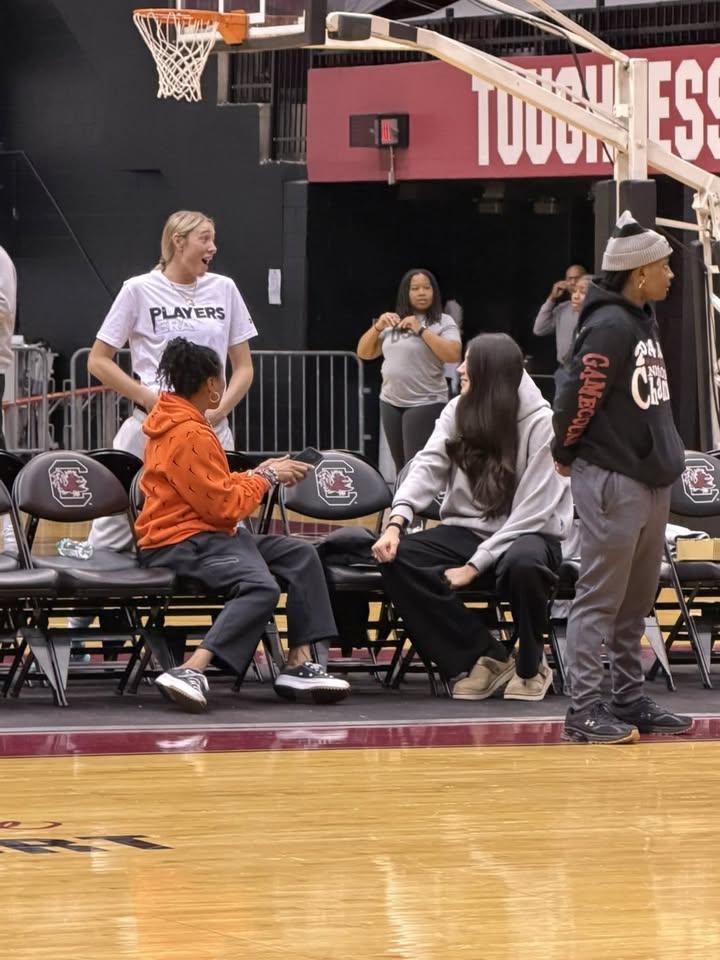
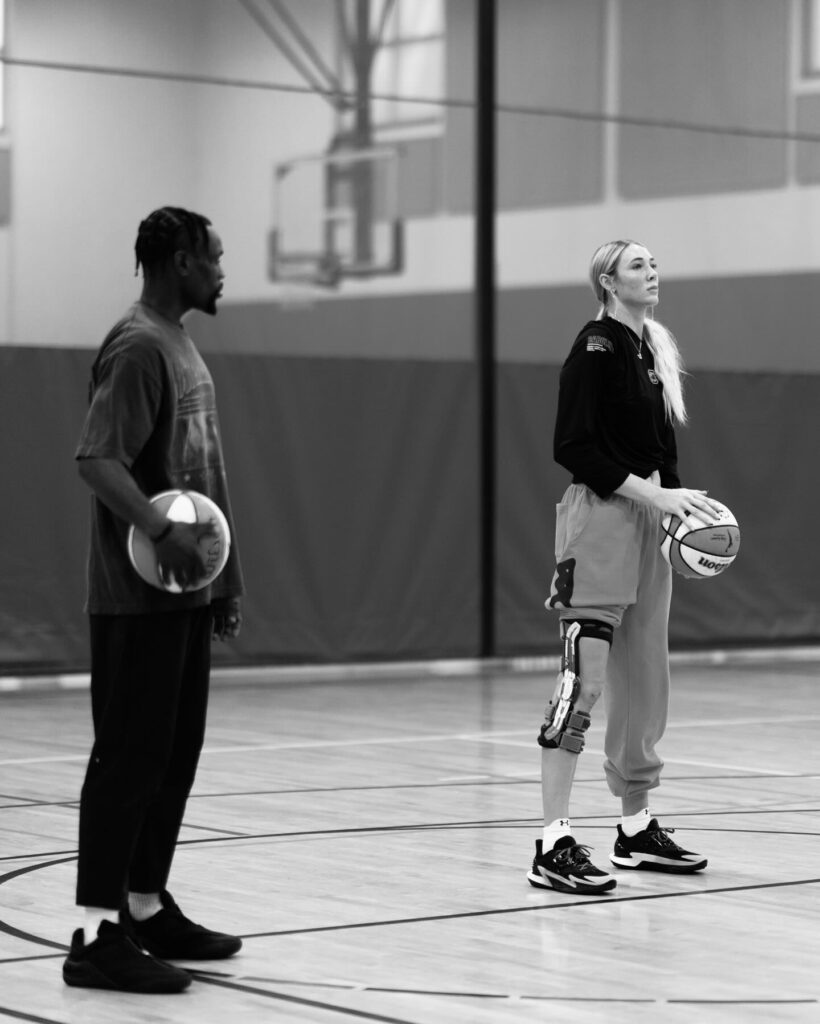
Columbia, SC — Three months into her recovery from a devastating ACL tear, South Carolina forward Chloe Kitts is showing remarkable progress in her rehabilitation, with recent practice footage revealing the injured star getting shots up in the background while her teammates prepare for SEC competition.
Visual Evidence of Progress
Observers at South Carolina practice noted Kitts actively participating in shooting drills in the background, marking a significant milestone in her recovery journey. The sight of the talented forward working on her shot—a fundamental basketball skill that requires lower body stability, balance, and controlled movement—suggests her rehabilitation has reached a stage where such activity is medically cleared and functionally possible.
What Three Months Means in ACL Recovery
The three-month mark represents a critical juncture in ACL reconstruction recovery:
Typical Timeline Markers:
- 0-6 weeks: Focus on reducing swelling, regaining range of motion, and beginning basic strengthening
- 6-12 weeks: Progressive strengthening, introduction of controlled movements, aquatic therapy
- 3-4 months: Beginning sport-specific movements, shooting drills, stationary basketball activities
- 6-9 months: Return to full basketball activities, practice participation, potential game clearance
- 9-12 months: Full return to competition (though many athletes take longer)
Kitts’ ability to shoot at three months indicates she’s tracking at the faster end of typical recovery curves, though still within the expected timeline for elite athletes with access to world-class medical care and rehabilitation resources.
Dawn Staley’s Cautiously Optimistic Assessment
Head coach Dawn Staley addressed Kitts’ recovery progress with a mixture of genuine enthusiasm and coaching caution that reflected both pleasure at the forward’s dedication and concern about managing expectations.
Staley’s Direct Comments
On Kitts’ rehabilitation progress:
“Her rehab is going great,” Staley stated, providing straightforward confirmation that Kitts is meeting or exceeding medical benchmarks and responding positively to treatment protocols.
On the pace of recovery:
Staley “joked it’s ‘probably too fast,'” a comment that carries layered meaning beyond simple humor. The “joke” reflects several realities:
Medical Caution: ACL recovery cannot be rushed despite athlete eagerness. Progressing too quickly risks reinjury or compensatory injuries as the body adjusts to the reconstructed knee.
Kitts’ Competitive Nature: The comment suggests Kitts is pushing rehabilitation aggressively—a positive indicator of her mental approach and work ethic but something that requires monitoring to prevent overexertion.
Managing Expectations: By joking about the pace being “too fast,” Staley tempers any speculation about early return while acknowledging impressive progress.
Quality Problem: This represents the kind of “problem” coaches want—an athlete so dedicated and progressing so well that managing their enthusiasm becomes the challenge rather than motivating effort.
What “Getting Shots Up” Signifies
The specific activity noted—shooting—carries important implications for Kitts’ recovery stage and functional abilities.
Physical Requirements of Shooting
Balance and Stability: Proper shooting form requires stable lower body foundation, single-leg balance (particularly for jump shots), and controlled weight transfer.
Controlled Movement: The shooting motion involves coordinated movement patterns that test the knee’s ability to handle stress in basketball-specific ways.
Repetition Tolerance: The ability to repeat shooting motions multiple times suggests the knee can handle repetitive stress without excessive swelling or discomfort.
Neuromuscular Control: Shooting requires the brain and knee to communicate effectively about positioning and movement—a critical component of ACL recovery beyond pure strength.
Progression Implications
That Kitts is cleared for shooting suggests:
- Swelling is controlled and manageable
- Range of motion has been substantially restored
- Basic strengthening milestones have been achieved
- Medical team trusts the knee’s stability for controlled basketball movements
- Psychological confidence in the knee is developing
However, shooting remains a controlled, relatively low-impact activity compared to:
- Cutting and change of direction
- Jumping and landing
- Contact and collision
- Full-speed running
- Defensive slides and quick reactions
These more demanding activities will come later in the rehabilitation process.
The Mental and Emotional Journey
Beyond the physical recovery, Kitts’ progress represents important psychological and emotional milestones.
Maintaining Team Connection
Being at practice—even in a limited capacity—keeps Kitts connected to teammates, involved in team culture, and engaged with the season’s progression rather than feeling isolated by injury.
Her continued presence and mentorship of players like Agot Makeer (whom she counseled during Makeer’s concussion protocol absence) demonstrates that Kitts has found ways to contribute even while unable to compete.
Visible Progress Milestones
For athletes recovering from major injuries, visible progress markers like being able to shoot provide crucial psychological boosts. Each new activity cleared—first shooting, then light movement, then cutting, then jumping—builds confidence and validates the difficult rehabilitation work.
Competitive Drive Channeled Productively
Kitts’ apparent eagerness to progress (suggested by Staley’s “too fast” joke) reflects the competitive mentality that made her successful. Channeling this drive into rehabilitation rather than becoming frustrated by the sideline status demonstrates maturity and proper focus.
Medical Team Excellence
Kitts’ strong progress reflects not just her dedication but also the quality of South Carolina’s sports medicine and athletic training infrastructure.
World-Class Resources
South Carolina provides:
- Experienced orthopedic surgeons specializing in sports injuries
- Certified athletic trainers with ACL rehabilitation expertise
- Strength and conditioning staff (including Molly Binetti) who understand return-to-sport progressions
- Cutting-edge rehabilitation equipment and techniques
- Sports psychology resources to address mental aspects of recovery
Individualized Protocols
Modern ACL rehabilitation emphasizes individualized approaches based on:
- Specific injury characteristics
- Surgical technique employed
- Individual healing rates and responses
- Athlete’s sport-specific demands
- Psychological readiness alongside physical markers
The fact that Kitts is progressing well suggests her individualized protocol is optimally calibrated to her specific situation.
Impact on Current Season
While Kitts’ recovery progress is encouraging, realistic assessment of her potential impact on this season remains important.
The Timeline Reality
Even with “great” progress that might be “too fast,” Kitts faces significant timeline challenges for meaningful contribution this season:
Best-Case Scenario: If recovery continues progressing rapidly and medical clearance comes at the faster end of typical timelines (6-7 months), Kitts might be cleared for limited practice participation by late February or early March.
More Realistic Scenario: Standard ACL recovery suggests 8-10 months before full competition clearance, which would place full return in the summer or fall 2025—after this season concludes.
Conservative Approach: Many programs and medical teams prefer 12-month timelines for ACL returns to ensure complete healing and minimize reinjury risk, which would target return for the 2025-26 season.
Tournament Timing Considerations
Even if Kitts reached physical readiness by March, several factors complicate potential tournament contribution:
- Limited practice time with full contact
- Conditioning and game shape development
- Rust and timing after months away
- Risk assessment of returning for high-stakes games without extensive preparation
- Medical team comfort with competition clearance
The Redshirt Question
Kitts’ eligibility situation and potential redshirt status adds another layer to return timing considerations. If she’s unlikely to contribute meaningfully this season, preserving eligibility for future years might make strategic sense.
Long-Term Implications
Beyond this season, Kitts’ strong recovery progress bodes well for her long-term basketball future.
Professional Prospects
Kitts entered the 2024-25 season with professional aspirations and potential WNBA draft consideration. While the ACL injury temporarily derails those plans, strong recovery positions her to:
- Return for the 2025-26 season at full strength
- Rebuild draft stock through productive college season
- Demonstrate durability and recovery from injury
- Potentially enter the 2026 WNBA Draft with confidence
Her consideration of the 2026 draft (as previously reported) aligns with this recovery timeline, giving her a full season to prove complete recovery before professional evaluation.
South Carolina’s 2025-26 Roster
Kitts’ expected full recovery for next season factors significantly into South Carolina’s long-term planning:
Frontcourt Depth: A healthy Kitts alongside other returning players and incoming recruits (including Jerzy Robinson and potentially Alicia Tournebize with additional development) provides formidable frontcourt depth.
Championship Continuity: Kitts’ veteran experience and championship mentality will be valuable for a roster that may feature new faces and younger players.
Versatility: Her ability to play multiple frontcourt positions and contribute in various ways provides tactical flexibility for Dawn Staley’s system.
The Mentorship Role Continues
While recovering, Kitts has found meaningful ways to contribute through mentorship—particularly with players like Agot Makeer.
Player Development From the Bench
Staley previously praised Kitts’ willingness to share insights with teammates: “Chloe’s matured so much over the years. I think, bottom line, she wants to win, and she wants to put our team in the best possible position to win, and that is giving conversations where they’re needed.”
Makeer specifically credited time spent with Kitts during her own injury absence: “Being out for the last five games, I saw a different perspective from the sideline, sitting next to Chloe (Kitts). Still getting confidence from coaches and stuff helped a lot.”
This mentorship represents Kitts finding purpose and contribution even while unable to compete, demonstrating maturity and team-first mentality that will serve her well throughout recovery and beyond.
Managing the “Too Fast” Concern
Staley’s joking concern about pace being “too fast” reflects real medical considerations about ACL recovery.
The Reinjury Risk
Research consistently shows that rushing ACL recovery increases reinjury risk:
- Athletes cleared before 9 months face significantly higher reinjury rates
- Psychological readiness matters as much as physical healing
- Compensatory movement patterns can develop if return is premature
- Graft tissue needs adequate time to fully incorporate and mature
The Competitive Athlete Challenge
Elite athletes often push rehabilitation aggressively because:
- Competitive nature drives them to return quickly
- Missing competition creates frustration and urgency
- Visible progress builds confidence and eagerness
- Seeing teammates compete motivates earlier return
Medical teams must balance supporting athlete motivation while preventing premature return that risks reinjury.
Staley’s Role in Management
As head coach, Staley must:
- Support Kitts’ rehabilitation enthusiasm
- Ensure medical team has final authority on clearance decisions
- Protect Kitts from pressure to return before ready
- Manage her own coaching desire to have a talented player available
- Maintain long-term perspective about Kitts’ career beyond single season
The “joke” about pace being too fast suggests Staley is thinking about these dynamics and will ensure proper caution guides decision-making despite impressive progress.
Comparison to Other ACL Recoveries
Kitts’ three-month progress can be contextualized by examining other notable ACL recoveries in women’s basketball:
Successful Returns: Many elite players have returned successfully from ACL tears, often citing 9-12 month timelines before feeling fully themselves again.
Career Impact: Modern surgical techniques and rehabilitation protocols have dramatically improved ACL recovery outcomes, with many athletes returning to pre-injury levels or better.
Individual Variability: Recovery timelines vary significantly based on injury specifics, surgical techniques, individual healing, and psychological factors.
Kitts appears to be tracking positively compared to typical elite athlete recovery curves while still respecting necessary caution about timeline.
The Support System
Kitts’ recovery benefits from comprehensive support:
Medical Team: Surgeons, athletic trainers, physical therapists providing expertise and guidance
Strength Staff: Molly Binetti and team designing progressive strengthening programs
Coaching Staff: Staley and assistants keeping Kitts engaged and motivated
Teammates: Providing encouragement, companionship, and purpose through mentorship opportunities
Family: Emotional support throughout challenging recovery process
This comprehensive support network maximizes both physical recovery and psychological wellbeing during what can be an isolating experience.
Conclusion
Chloe Kitts’ three-month progress report showing her getting shots up at practice while Dawn Staley jokes that her recovery is going “probably too fast” represents overwhelmingly positive news for both Kitts personally and South Carolina’s program long-term.
While realistic assessment suggests Kitts is unlikely to contribute meaningfully this season, her strong recovery positions her for complete return in 2025-26 and validates both her work ethic and South Carolina’s medical infrastructure quality.
The visible progress—transitioning from complete inability to compete to controlled shooting activities—demonstrates that rehabilitation is proceeding on schedule or slightly ahead, while Staley’s cautionary joke reminds everyone that proper timelines must be respected despite impressive gains.
For now, Kitts continues her dual role: recovering athlete working diligently toward full health, and mentor to teammates who benefit from her experience and insights. Both roles serve important purposes as she navigates this challenging but ultimately temporary setback in what promises to be a successful basketball career.
The journey from ACL tear to full recovery is long and demanding, but three months in, Chloe Kitts is demonstrating the dedication, progress, and patience required to complete it successfully. The best is yet to come.