
“Jason Whitlock Blasts Women’s College Basketball Ratings Boom: ‘Who Actually Believes This? Calls it a Ponzi Scheme!’”
The Ratings Reality Check: Is Women’s College Basketball’s Viewership Boom Real or Manufactured?
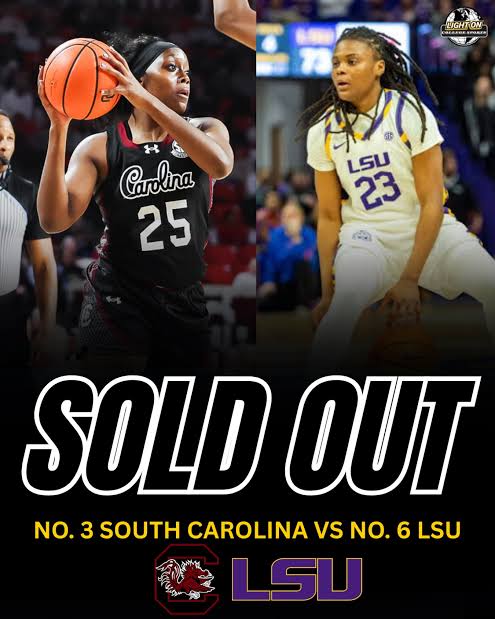
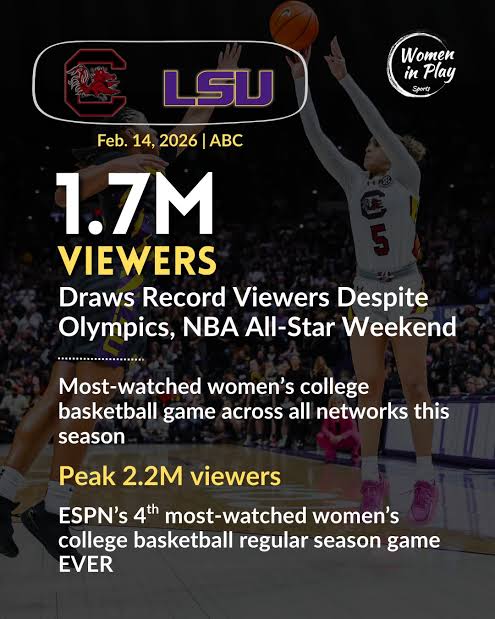
Women’s college basketball is riding a wave of unprecedented media attention, and the numbers ESPN is putting forward appear to support the narrative. The network reported its most-watched women’s college basketball regular season since 2008-09, headlined by a Valentine’s Day clash between South Carolina and LSU that drew 1.7 million viewers. On the surface, that reads as genuine growth for a sport that has fought for mainstream recognition.
But not everyone is buying it.
Analyst Jason Whitlock pushed back sharply, questioning both the credibility of the numbers and the methodology behind them. “Who believes this? The buzz around women’s college hoops regressed incredibly this year. They keep coming up with new ways to count viewers. It’s a Ponzi scheme,” Whitlock wrote, adding a pointed observation — that viewership figures rose broadly across sports properties this season, with one conspicuous exception.
That exception matters. Super Bowl 2026, featuring the Seattle Seahawks’ 29-13 victory over the New England Patriots, averaged 125.6 million viewers across NBC, Peacock, Telemundo, and NFL+, making it the second most-watched television event in U.S. history. By any traditional standard, that is a staggering number. Yet Whitlock’s framing raises a legitimate analytical question: if the Super Bowl’s ratings declined while nearly every other property reported gains, does that reflect genuine audience growth across sports — or a industrywide shift in how viewership is being counted and reported?
This is where the debate gets substantive. The modern ratings landscape has become increasingly fragmented and creatively measured. Streaming platforms, out-of-home viewing, multi-platform aggregation, and co-viewing estimates have all been folded into headline numbers in ways that weren’t standard practice a decade ago. When ESPN reports a viewership record, the relevant follow-up is always methodological: compared to what, and counted how?
Whitlock’s “Ponzi scheme” framing is deliberately provocative, but the underlying skepticism isn’t without basis. Women’s college basketball undeniably experienced a cultural surge in 2023-24, driven almost entirely by the Caitlin Clark phenomenon. The sport captured genuine mainstream crossover attention in a way it hadn’t in decades. The analytical problem is what happens the season after that peak. Organic buzz is harder to sustain than manufactured momentum, and Whitlock’s claim that “buzz regressed incredibly” this year aligns with a reasonable post-Clark recalibration theory.
The counter-argument, of course, is that viewership infrastructure built during the Clark era — expanded broadcast deals, elevated scheduling, increased promotional investment — can sustain numbers even as the cultural conversation cools. Structural media growth and organic fan enthusiasm aren’t the same thing, but both produce real viewers.
What this debate ultimately exposes is a measurement credibility problem that extends well beyond women’s basketball. As sports media continues to fragment across platforms, headline viewership figures have become increasingly difficult to evaluate without transparency about methodology. A number reported without context — whether it’s 1.7 million or 125.6 million — tells an incomplete story.
Whitlock’s skepticism, stripped of its rhetorical edge, points to something the industry needs to address: if sports media wants viewership records to mean something, the standards for counting them need to be consistent, public, and immune to the incentive of making every number look like growth. Until then, the gap between reported figures and perceived reality will continue to fuel exactly this kind of dispute.
About The Author