Breaking Down South Carolina’s NCAA Tournament Bracket: The Path to Phoenix, Dangerous Matchups, and What It All Means
COLUMBIA, S.C. — The brackets are set. Sixty-eight teams now know their opponents, their destinations, and the precise sequence of obstacles standing between them and Phoenix on April 5th. For South Carolina, the draw produced a path that is neither a free ride nor a gauntlet — a bracket that rewards preparation, punishes complacency, and sets up the kind of storylines that make March Madness the most compelling event in college sports.
Here is a full breakdown of what stands out from South Carolina’s bracket and the broader tournament picture.
The Second Round: Clemson or Southern Cal
Before the Gamecocks can think about the Sweet 16, they must navigate a second-round matchup that carries genuine narrative weight regardless of which opponent emerges. Southern and Samford will meet in the First Four, with the winner facing South Carolina in the first round. The second-round opponent will be either Clemson or Southern Cal — and both options arrive with a story attached.
Clemson represents the in-state rivalry dimension — a program that shares South Carolina’s home state and would bring a regional intensity to Colonial Life Arena that routine second-round games rarely generate. Southern Cal, on the other hand, represents what has been termed the “Real SC” series — an unofficial but growing rivalry between two programs whose shared initials have given their matchups a particular identity. Either way, the second round will not be a procedural exercise. It will be a genuine test against a motivated, name-brand opponent on South Carolina’s home floor.
The Elite Eight Shadow: Iowa Looms
The most significant potential marquee matchup embedded in South Carolina’s bracket is in the Elite Eight, where Iowa could await. The history there requires no extensive introduction. South Carolina and Iowa produced the most-watched championship game in the history of women’s college basketball in 2023 — a moment that transcended the sport and introduced millions of new fans to what women’s basketball can be at its highest level.
A rematch in the Elite Eight would be one of the most anticipated games in the history of the NCAA Tournament. Iowa is a two seed in South Carolina’s region, meaning the path to that matchup is realistic rather than merely hypothetical. The selection committee, whether intentionally or incidentally, has constructed a bracket in which the sport’s two most recognizable recent programs could collide at the exact moment the tournament demands its biggest games.
The Path to the Sweet 16: Manageable but Not Easy
The honest assessment of South Carolina’s regional draw is that it is workable — not easy, but structured in a way that rewards the kind of defense-first, disciplined basketball the Gamecocks play better than almost anyone in the country.
No. 4 Oklahoma is the most credible threat in the region and deserves specific attention. The Sooners handed South Carolina its only regular-season conference loss — the one blemish on a 28-win season — and that result provides Oklahoma with the psychological foundation to believe they can beat the Gamecocks in a neutral-site environment. Revenge, as the saying goes, is a strong motivator. South Carolina will not need to manufacture urgency for that potential matchup. The memory of that loss will provide it.
No. 3 TCU presents a different kind of challenge. The Horned Frogs have been formidable for much of the season, but their recent form has raised questions. More importantly, their offensive identity runs through Olivia Miles — a brilliant, high-usage point guard whose ability to create and distribute defines everything TCU does. Against South Carolina’s defensive system, and specifically against Raven Johnson, that concentration of offensive creation becomes a liability rather than a strength. Johnson has spent five years making exactly this type of player miserable. As the analysis notes directly: “With everything going through Olivia Miles, Raven Johnson should be able to disrupt the Horned Frogs.” That is not bravado. It is a tactical assessment grounded in what Johnson has done to high-usage point guards throughout her career.
The Big Ten contingent — No. 2 Iowa, No. 5 Michigan State, and No. 6 Washington — is not viewed as particularly threatening outside of the Hawkeyes. As the bracket analysis observes: “I’m not sold on the Big Ten outside of UCLA, so getting Iowa, Michigan State, and Washington in South Carolina’s region looks manageable.” Michigan State and Washington are capable programs, but neither presents the kind of multi-dimensional challenge that would give South Carolina’s defensive system genuine trouble.
The Broader Bracket: Storylines Worth Watching
Several other first-round matchups carry narrative weight that extends beyond South Carolina’s immediate concerns.
Kenny Brooks, who spent years building Kentucky women’s basketball into the program that pushed South Carolina in the regular-season finale, now faces his former team — James Madison — in the first round. The coaching connection turns what would otherwise be a standard 8-16 matchup into a story about loyalty, departure, and the complicated emotions of competing against the program you helped build.
Shea Ralph and Vanderbilt land in UConn’s region — a matchup that reunites the Commodores’ head coach with the program she served as an assistant under Geno Auriemma for years. Ralph built her coaching identity in Storrs. Now she must navigate the early rounds with UConn potentially waiting in the distance.
Tennessee being seeded as a 10 generated immediate commentary. As the analysis notes: “I was surprised the committee actually seeded Tennessee as a 10, not because the Lady Vols deserve to be higher, but because they are always overseeded.” The implication is pointed: this may be the first time in recent memory the committee has accurately evaluated Tennessee rather than inflating the Lady Vols’ seeding on the basis of brand alone. Whether that changes the Lady Vols’ competitive reality remains to be seen.
UCLA’s placement in the toughest region despite having arguably the best resume of any team in the country is the bracket’s most glaring structural oddity. The Bruins built the strongest case for the top overall seed and received the most difficult path in return — a combination that feels counterintuitive at minimum.
Baylor falling to a six seed and Texas Tech to a seven seed surprised evaluators who expected both programs to land higher based on their overall resumes. Both will enter the tournament with something to prove — which, in March, tends to produce dangerous opponents.
Scheduling Notes
South Carolina plays on the second day of each round — a consistent scheduling pattern that provides the Gamecocks an additional day of preparation relative to teams playing on the first day. In a tournament where rest, film study, and injury management are all competitive variables, that extra 24 hours of preparation accumulates meaningfully across multiple rounds. Game times remain to be determined.
The Bottom Line
South Carolina’s bracket is not a gift, but it is not a punishment either. Oklahoma provides a genuine revenge game narrative and real competitive danger. TCU and Iowa represent the most credible threats to a Final Four return. The second round offers storyline-rich matchups against Clemson or Southern Cal in front of a home crowd that has supported this program through 14 consecutive tournament appearances.
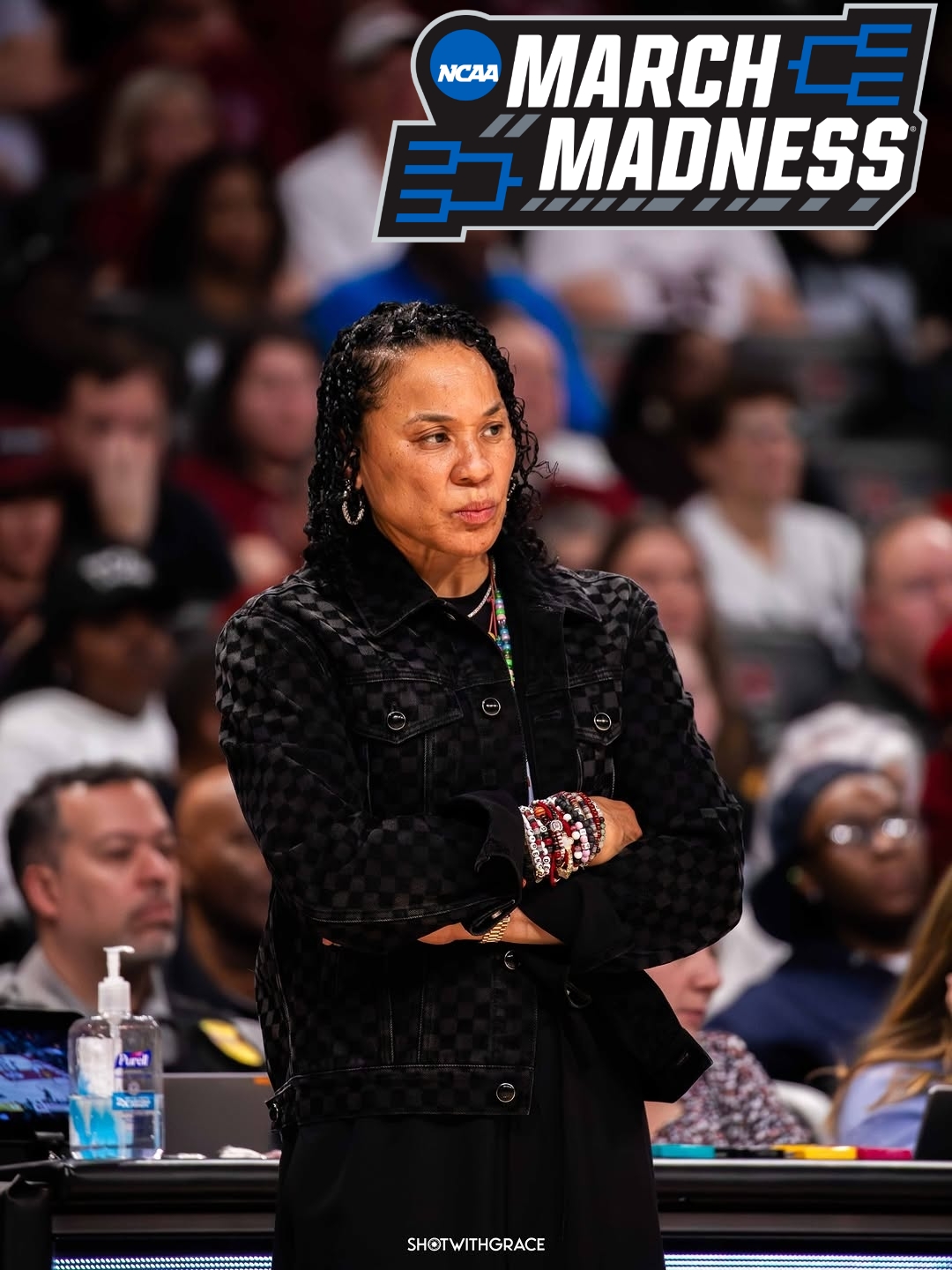
Dawn Staley’s program has been here before — six consecutive times as a one seed, twice in the last four years as national champions, and with four seniors playing their final games in the garnet and black. The bracket is set. The path to Phoenix is visible.
The only question that has ever mattered in March is whether South Carolina is ready to walk it.
South Carolina’s NCAA Tournament Schedule:
- First Round: Friday, March 21 | Columbia, S.C.
- Second Round: Sunday, March 23 | Columbia, S.C.
- Sweet 16: March 27-28
- Elite Eight: March 29-30
- Final Four: April 3 & 5 | Phoenix, Ariz.**
About The Author