A’ja Wilson Shut Down Atlanta With The Most Culturally Loaded Nike Event Women’s Basketball Has Ever Seen
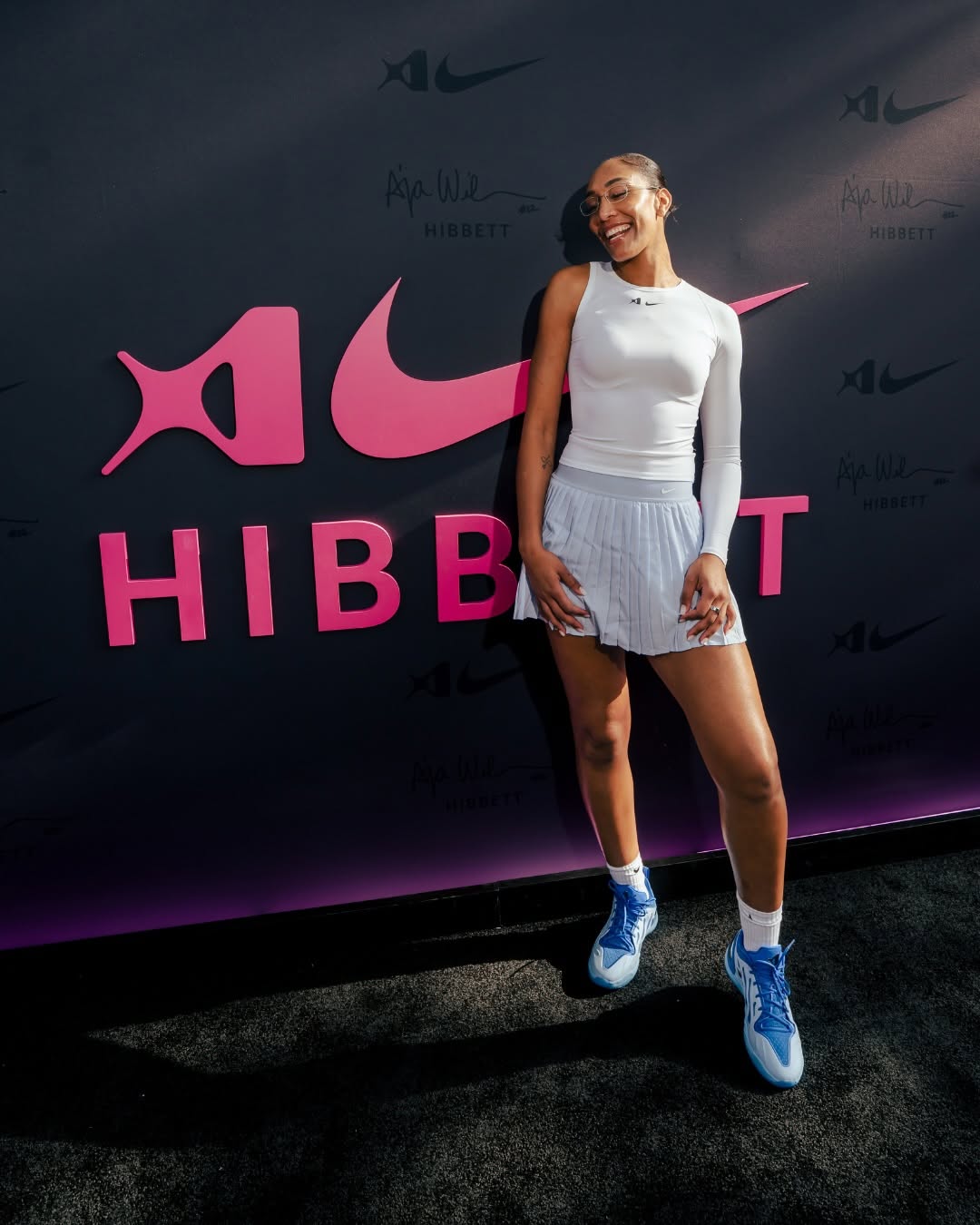
Women’s basketball doesn’t just have a star right now. It has a cultural force. And Nike, alongside retail partner Hibbett, made sure Atlanta knew exactly what that means.
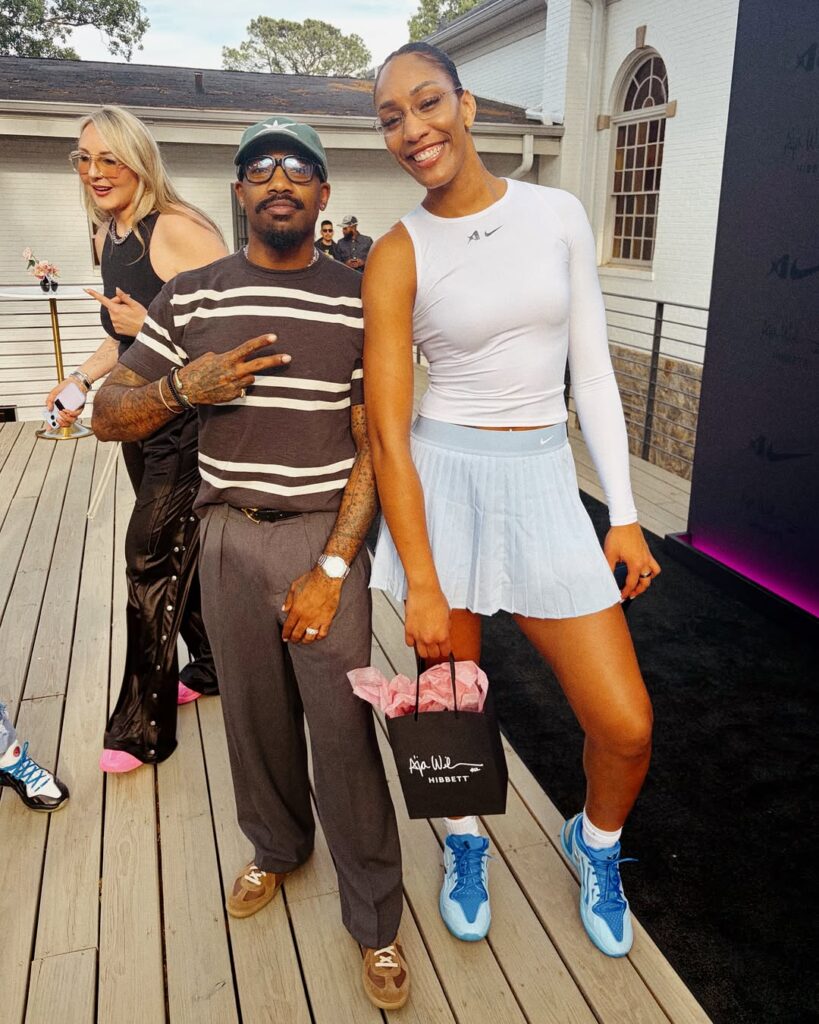
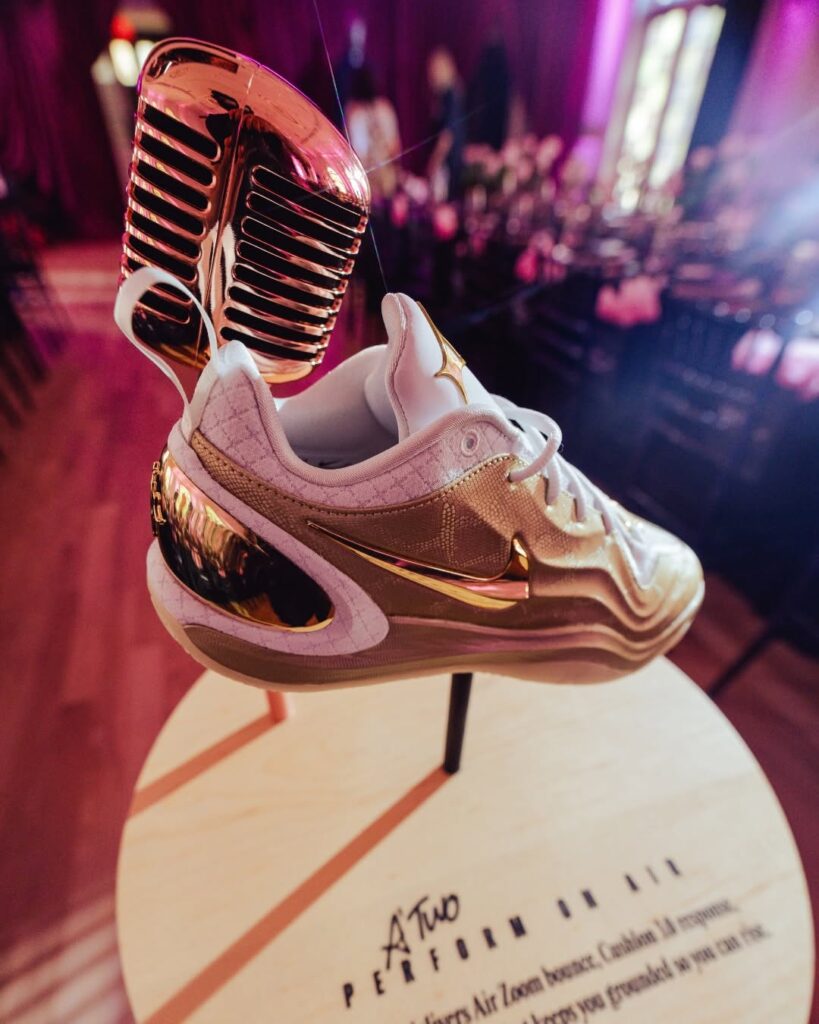
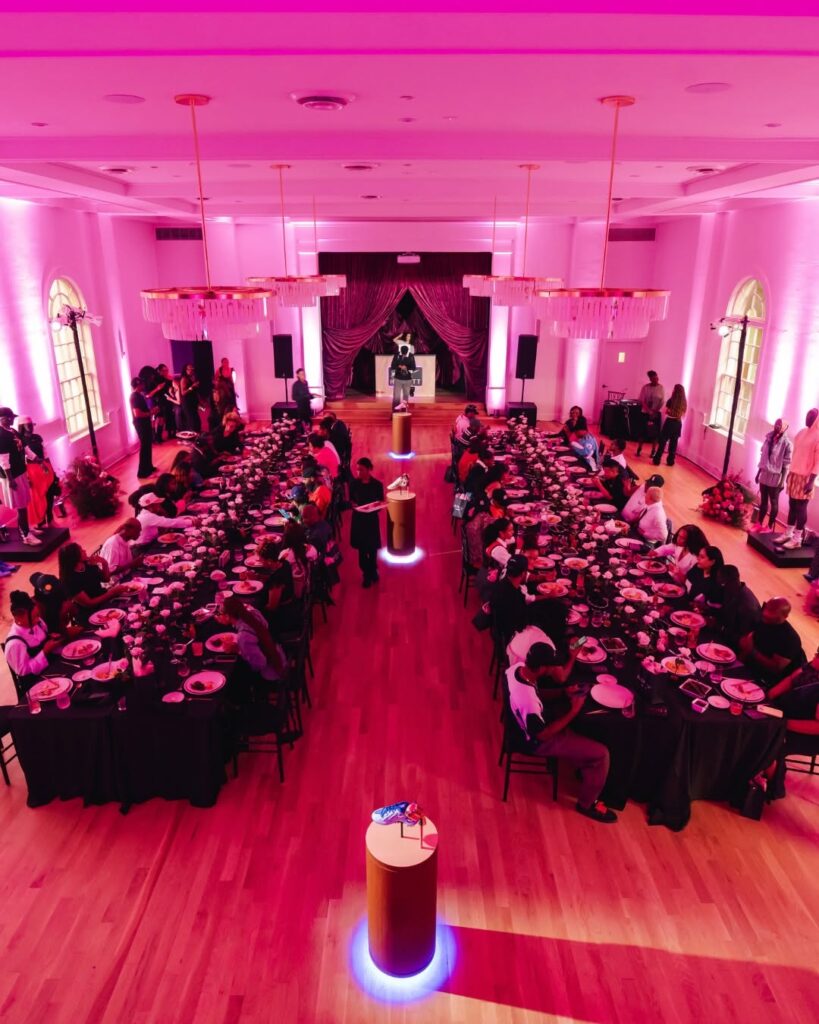
A curated, invitation-only dinner experience built entirely around WNBA superstar A’ja Wilson recently took over Atlanta in a way that blurred the lines between sports celebration, cultural event, and community gathering — and the details tell a story far bigger than a brand activation.
The event, simply billed as “For A’ja in A’TL,” was engineered around a single, deliberate creative directive: make everything feel unmistakably, unapologetically A’ja. Not a generic basketball celebration with her name attached. Not a product launch dressed up as something more. A genuine, culturally grounded experience that reflected who Wilson actually is — where she comes from, what she loves, and what she represents to the people who matter most to her.
The execution delivered on that promise at every turn.
The Arrival
Guests entered via a black carpet arrival — a conscious aesthetic choice that immediately signaled this was not a standard red carpet Hollywood imitation. The black carpet set the tone for an evening rooted in its own identity, refusing to simply mirror entertainment industry conventions and instead establishing its own visual language from the first step inside.
The Music
The Sainted Trap Choir provided the soundtrack — and that selection alone speaks volumes about the intentionality behind the event’s design. The Sainted Trap Choir sits at a fascinating cultural intersection, blending gospel tradition with the sonic identity of trap music in a way that is distinctly Southern, distinctly Black, and distinctly Atlanta. Choosing them as the evening’s musical centerpiece was not an accident. It was a statement about the kind of cultural authenticity Nike and the event’s creative team were committed to, one that connected the celebration to Atlanta’s DNA rather than simply borrowing the city’s aesthetic for optics.
The Food
The menu leaned into soul food inspired by Wilson’s personal favorites — another deliberate grounding decision that prioritized intimacy and personal truth over catered-event generic choices. Food, in this context, functioned as biography. It told guests something real about the person being celebrated, transforming a meal into a cultural document.
The Fashion
Looks styled in an HBCU aesthetic threaded the event’s visual identity through one of Black American culture’s most enduring and celebrated institutions. Historically Black Colleges and Universities carry an enormous cultural weight — in music, fashion, athletics, and community — and incorporating that aesthetic into the evening’s wardrobe choices was a meaningful nod to a tradition that resonates deeply across the demographic that women’s basketball has been building its new audience from. It was fashion as cultural acknowledgment, not costume.
The Experience
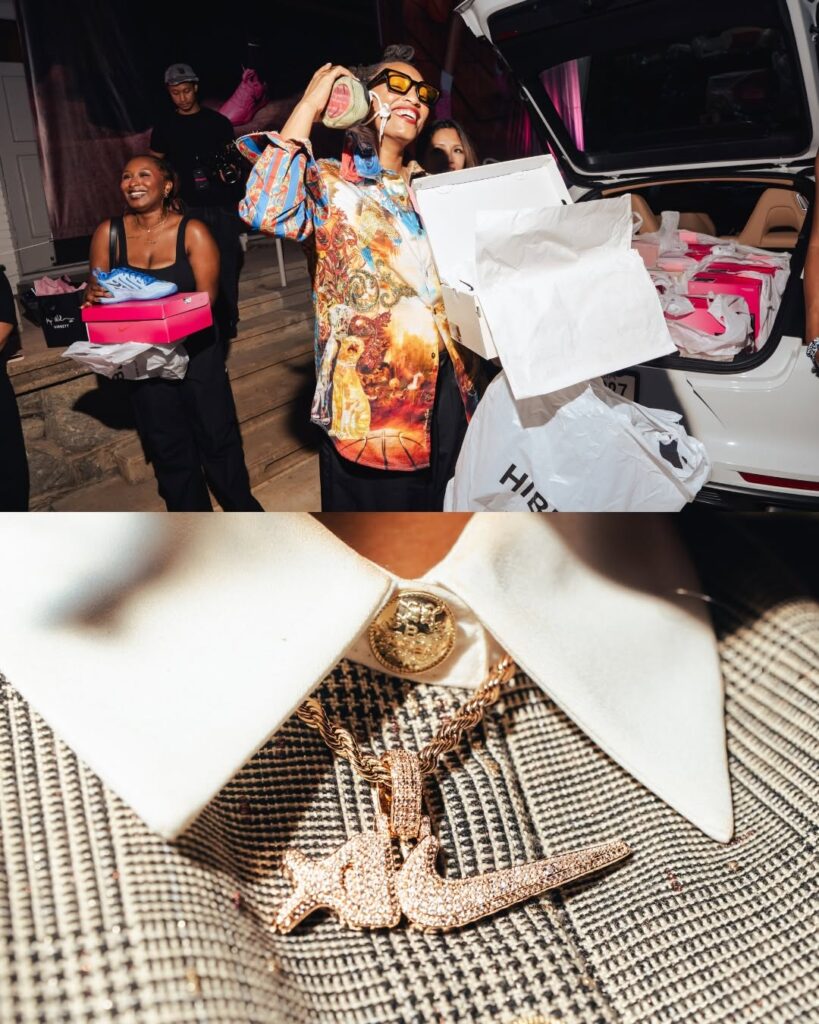
Perhaps the most memorable individual element of the night was the live grillz molding station, courtesy of Atlanta-based jeweler Scotty ATL. Guests didn’t just observe the craft — they participated in it, receiving custom-fitted grillz in real time. In a landscape saturated with brand events offering passive experiences and Instagram backdrops, giving guests a tangible, personalized luxury artifact to take home was a genuinely creative differentiator. It also reinforced the Atlanta specificity of the evening — grillz culture has deep roots in the city’s creative community, and bringing one of its practitioners into the room honored that lineage directly.
The Bigger Picture
What Nike and Hibbett constructed here is worth examining beyond the individual details, because the creative philosophy behind it reflects something meaningful about where women’s basketball is right now — and where its cultural moment is heading.
The event’s stated goal was to “celebrate the world around women’s basketball, not just the game itself.” That framing is significant. The traditional sports marketing playbook centers the athletic achievement — the stats, the trophies, the highlights. This event deliberately decentered that and replaced it with something broader: friends, family, fashion, music, community, and movement. It treated women’s basketball not as a sport to be marketed but as a cultural ecosystem to be celebrated.
That distinction matters because it mirrors exactly how the sport’s most passionate new audiences actually relate to it. The explosion of interest in women’s basketball over the past two seasons has been driven not purely by basketball fans, but by people who found the sport through its players’ personalities, aesthetics, and cultural presence. Wilson, in particular, has always operated at that intersection — she is funny, stylish, deeply connected to Black culture, and authentic in a way that translates across audiences.
Building an event that reflects all of those dimensions rather than reducing her to an athlete and a shoe deal is both smart marketing and, frankly, the right thing to do for someone who has earned the kind of cultural platform Wilson currently holds.
The night was produced in partnership between Nike and Hibbett, with creative execution handled by Chad CXP — and the level of cultural specificity on display suggests a production team that did genuine homework rather than simply deploying a template.
Wilson is currently in the middle of one of the most dominant starts to a WNBA season in league history, averaging 25 points while shooting nearly 60% from the field and making history on a near-weekly basis. The fact that Nike chose this moment to invest in an Atlanta celebration of her cultural identity rather than simply a performance-focused campaign reveals a brand that understands its most valuable asset is not just what Wilson does on the court — it is who she is everywhere else.
Atlanta showed up. The room was full. And for one evening, women’s basketball wasn’t just a sport worth watching.
It was a culture worth being part of.
About The Author