
The LA Sparks Are Wasting Two of the Most Exciting Young Talents in the WNBA — And It Has to Stop
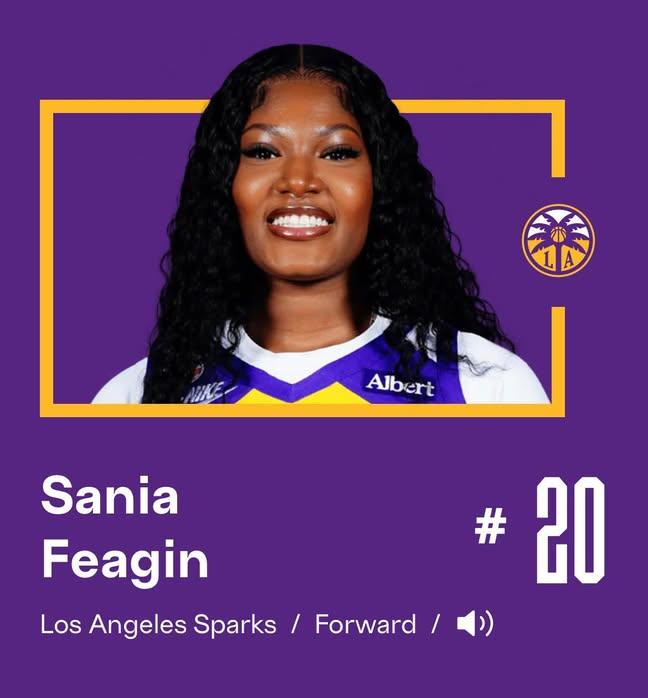
Sania Feagin and Ta’Niya Latson deserve minutes, development, and a coaching staff that believes in them. Right now, they’re getting none of that.
There is a quiet crisis happening inside the Los Angeles Sparks organization, and it has nothing to do with wins and losses — though those are suffering too. It has everything to do with two young, talented players whose careers are being stunted in real time by a franchise that appears either unable or unwilling to do what every good organization must do with promising youth: develop them.
Sania Feagin and Ta’Niya Latson are both sitting on the Sparks bench watching minutes evaporate, watching their development stall, and watching what could be the most critical early seasons of their professional careers tick away without the on-court investment they need and deserve.
This is not a minor organizational concern. This is a red flag.
The Sania Feagin Problem
Feagin is exactly the kind of player that WNBA franchises spend years trying to find and develop. She is a big body — physical, versatile, and possessing the raw tools that translate to real impact at the professional level when properly cultivated. In a league that increasingly demands size, length, and athleticism from its frontcourt players, Feagin is precisely the type of prospect that contending organizations build around.
And yet, there she sits. Game after game, logging minimal minutes under a coaching staff that has shown little appetite for the patience and intentionality that genuine player development requires.
The contrast with Sarah Ashley makes the situation impossible to ignore. Ashley is currently thriving in Portland — and the reason is straightforward. She is getting minutes. She has a coaching staff willing to put her on the floor, let her make mistakes, learn from them, and grow through the experience of actually playing professional basketball. The results speak for themselves. Ashley is developing into exactly the player scouts believed she could become, because someone gave her the opportunity to become it.
Feagin deserves the same opportunity. She is too young, too talented, and too physically gifted to be collecting splinters on a Sparks bench while her prime developmental window quietly closes around her.
The options at this point are clear, and the Sparks organization needs to pick one: start developing her with real, consistent minutes — or package her in a trade to an organization that will. A player of Feagin’s profile sitting idle is not just a waste of her potential. It is organizational malpractice.
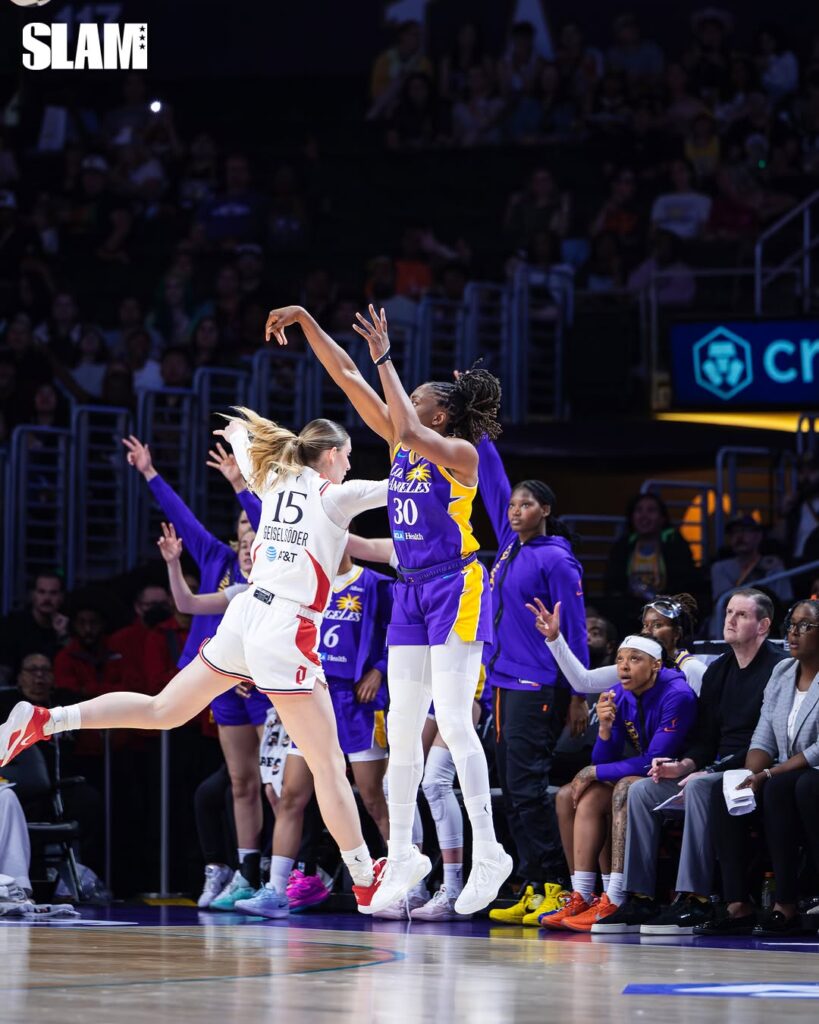
The Ta’Niya Latson Situation
If the Feagin situation is frustrating, the Ta’Niya Latson situation is borderline inexplicable.
Latson arrived in the WNBA as one of the most electrifying young guards in the country — a player whose scoring ability, athleticism, and competitive fire made her one of the most watched prospects entering the league. She is the kind of guard who changes games when she is on the floor with the freedom to play her game. Fast, creative, and capable of getting her own shot against any level of competition, Latson is the type of player organizations fight to acquire, not sit down.
Yet here in Los Angeles, she finds herself in the same position as Feagin — watching from the bench, starved of the meaningful minutes that would allow her game to translate and evolve at the professional level.
The WNBA season is brutally short. Every game, every minute of playing time is developmental currency that cannot be recovered once it is spent. For a young guard like Latson, sitting through possessions rather than playing through them isn’t neutral — it is actively harmful to her long-term growth as a professional player.
Great guards are made in the fire of real game experience. They learn to read defensive schemes, adjust to professional physicality, manage game speed, and develop the decision-making instincts that separate good college players from great WNBA players — by playing through those challenges, not watching them from the bench.
The Coaching Development Question
The uncomfortable conversation at the center of both situations is the one about head coach Lynne Roberts and her track record with developing young talent.
The evidence on the floor is difficult to argue with. Young players on this roster are not getting meaningful minutes. Players who have left the organization — like Sarah Ashley — are visibly thriving the moment they land with a coaching staff willing to invest in them. That pattern is not a coincidence. It is a systemic issue that traces directly back to player development philosophy, rotation decisions, and the organizational culture being set from the top of the coaching staff down.
Developing young WNBA players is hard. The league is fast, physical, and unforgiving. But the answer to that difficulty is not to shelter young players from it by keeping them on the bench. The answer is to put them in the game, support them through the inevitable mistakes, and build the kind of experience-based confidence that turns raw prospects into professional contributors.
The Sparks are not doing that. And until they do, Feagan and Latson will continue to be cautionary tales about what happens when organizational patience runs out before a young player ever gets a real chance to prove what she can do.
What Needs to Happen
The path forward is not complicated, even if executing it requires organizational courage.
For Sania Feagin, the Sparks must make a decision. Either commit to a genuine development plan — real minutes, clear role definition, and coaching investment — or acknowledge that a change of scenery would serve both the player and the organization better. A trade that sends Feagan to a team with a proven development culture and a need for a physical frontcourt presence would at least give her the career she deserves, even if it comes in a different uniform.
For Ta’Niya Latson, the answer is simpler and more urgent: play her. A guard of her profile does not need a perfect situation. She needs minutes. She needs the ball in her hands in meaningful moments. She needs the freedom to be the player her talent says she already is.
The Sarah Ashley story is the blueprint and the warning at the same time. The Sparks let a developing player walk, watched her land with a better developmental situation, and are now watching her flourish from a distance. They cannot afford to repeat that story with two players simultaneously.
Sania Feagin and Ta’Niya Latson are too good, too young, and too full of potential to have their careers defined by a franchise that couldn’t find the minutes to let them grow.
The Sparks need to get this right. Before it’s too late. 🏀
About The Author