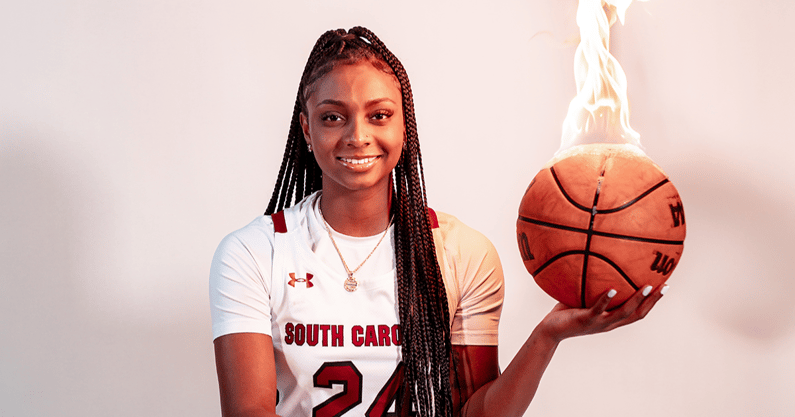
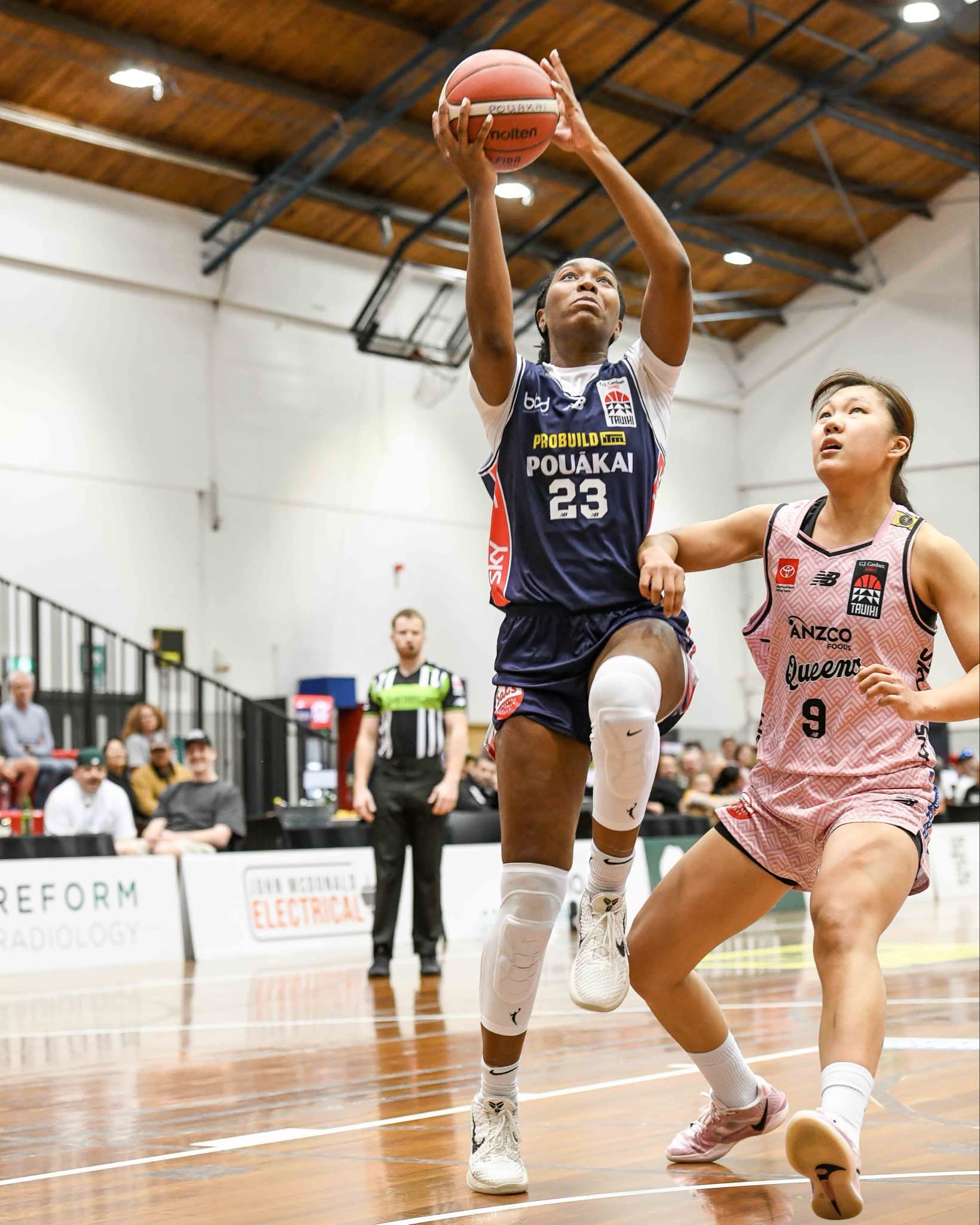
Columbia, SC — Head coach Dawn Staley provided clarity Friday on the status of newly arrived forward Alicia Tournebize, confirming that while the 6-foot-7 French prospect has joined the South Carolina Gamecocks roster, she is not yet ready for competitive action despite traveling with the team for Sunday’s SEC road game at Florida.
Staley’s Assessment: Patience Required
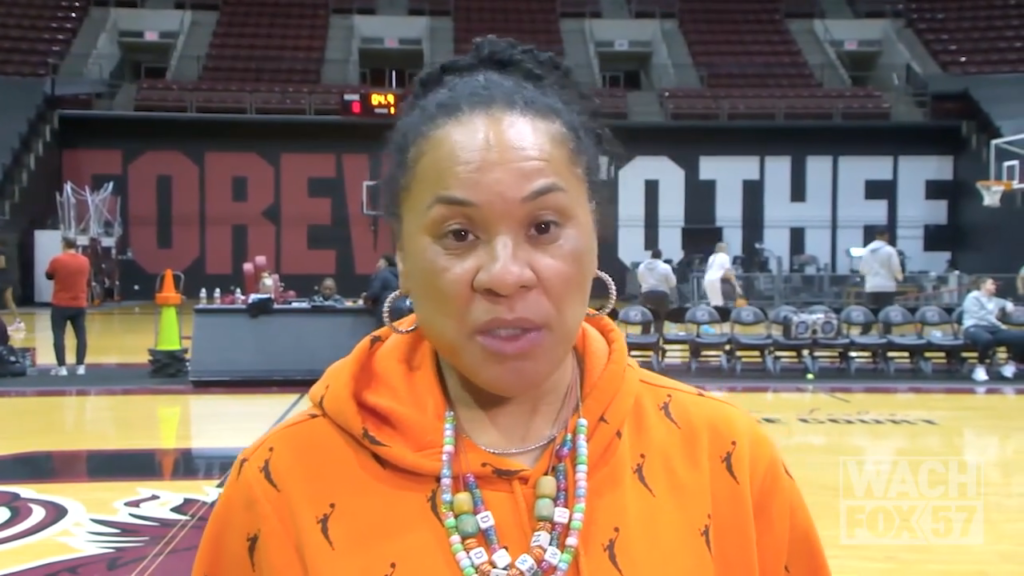
In her first extensive comments since Tournebize’s physical arrival in Columbia, Staley addressed media questions about the highly anticipated forward’s readiness and integration timeline, tempering expectations while confirming the teenager’s inclusion in team activities.
On Tournebize’s current status: Staley made clear that the former professional player from Tango Bourges Basket is not prepared for immediate game action, acknowledging the various factors—paperwork, conditioning, system learning, and adjustment—that require additional time before competitive debut.
On the Florida travel plans: Despite not being game-ready, Tournebize will accompany the Gamecocks on their road trip to Gainesville, a significant step in her integration that provides valuable experience even without playing time. The decision to include her on the travel roster signals both logistical progress with her documentation and the coaching staff’s desire to accelerate her acclimation to American college basketball culture.
Why Travel Without Playing?
Staley’s decision to bring Tournebize on the road trip despite her unavailability for competition reflects strategic thinking about player development and team integration that extends beyond immediate on-court contributions.
Team Bonding Opportunities: Road trips create unique bonding experiences—shared meals, hotel accommodations, bus rides, and pregame routines—that help new players develop relationships with teammates in ways that practice alone cannot replicate. For an international player adjusting to American culture and a new team environment, these informal interactions prove invaluable.
Observational Learning: Watching games from the bench provides educational value that film study cannot match. Tournebize will observe South Carolina’s system in real-time competition, see how coaches make adjustments, and understand the intensity and physicality of SEC basketball firsthand. This observational learning accelerates the mental aspects of preparation even while physical readiness develops.
Routine Familiarization: Experiencing game-day protocols, travel logistics, and competitive atmospheres prepares Tournebize for when she does debut. Understanding South Carolina’s travel schedule, pregame warmup routines, and sideline expectations eliminates unknowns that could create additional stress during her first actual game appearance.
Medical and Administrative Progress: The travel inclusion suggests that whatever paperwork and documentation issues delayed Tournebize’s arrival are substantially resolved, even if final clearances for competition remain pending. Being officially part of the travel roster represents administrative progress toward full eligibility.
The “Not Ready” Reality
Staley’s frank assessment that Tournebize isn’t ready to play acknowledges multiple factors that separate physical arrival from competitive readiness.
WATCH👇
Conditioning Concerns: After international travel and weeks away from organized team practices, building game conditioning takes time. SEC basketball demands sustained high-intensity effort for extended minutes, requiring cardiovascular fitness and muscular endurance that cannot be developed overnight. Even for someone who recently competed professionally in France, the specific demands of American college basketball—the pace, physicality, and full-court pressure—require adjustment and preparation.
System Complexity: South Carolina’s offensive and defensive systems are sophisticated, built over years and refined through countless practices. Learning terminology, understanding sets, recognizing defensive rotations, and executing assignments instinctively rather than consciously requires substantial repetition. Throwing unprepared players into games risks both individual struggles and team dysfunction as communication breaks down.
Physical Development Needs: Staley previously acknowledged that Tournebize “definitely going to have to get in the weight room to see Molly (Binetti),” referencing strength and conditioning coach Molly Binetti. The 18-year-old’s frame, while tall and athletic, needs development to handle the sustained physicality of SEC frontcourt play. Strength training programs require weeks and months to produce results, not days.
Cultural and Linguistic Adjustment: Beyond basketball, Tournebize is adjusting to life in America—potentially navigating language differences, cultural norms, academic expectations, and simply being far from home for the first time. These adjustment challenges require energy and focus that can impact basketball readiness in ways that aren’t immediately obvious.
Timeline Expectations
While Staley didn’t provide specific timeline for Tournebize’s debut, the “not ready” designation combined with the travel inclusion suggests a measured approach focused on proper preparation rather than rushed integration.
Probable Debut Window: Based on typical integration timelines for international players joining programs mid-season, realistic expectations would place Tournebize’s debut sometime in mid-to-late January. This allows two to three weeks of practice, strength work, and system learning before asking her to contribute in competitive games.
Role Upon Debut: Initial appearances will likely feature limited minutes in specific situations where her unique skill set—size, shooting range, shot-blocking—provides tactical advantages. Expecting immediate major contributions would be unrealistic; gradual expansion of responsibilities as comfort and conditioning improve represents the more likely path.
The Strategic Value
Despite the delay between arrival and competitive readiness, Tournebize’s presence provides South Carolina value even before she plays a minute. Her participation in practice—even in limited capacity initially—gives the starting frontcourt quality preparation against size and length they’ll face in games. She pushes current rotation players through competition for minutes, elevating everyone’s preparation intensity.
Additionally, her arrival addresses depth concerns in a frontcourt already missing Chloe Kitts and Ashlyn Watkins to season-ending injuries. Even if her contributions come gradually, having another talented big body available by late January or February could prove crucial during the final stretch of SEC play and postseason competition.
Conclusion
Dawn Staley’s candid assessment—Alicia Tournebize isn’t ready to play but will travel with the team—reflects the careful, patient approach that has made South Carolina women’s basketball consistently excellent. Rather than rushing a talented prospect into action before proper preparation, Staley prioritizes long-term development and sustainable success over short-term desperation.
For Tournebize, the Florida trip represents an important milestone in her journey from French professional to South Carolina Gamecock, even without playing. For South Carolina, it’s another example of championship-level program management—building depth methodically while maintaining standards that don’t compromise for immediate needs.
The debut will come when she’s truly ready, not a moment sooner.