Judge Drops Bombshell Ruling: South Carolina Must Reveal Secrets Behind Athlete Revenue Deal!
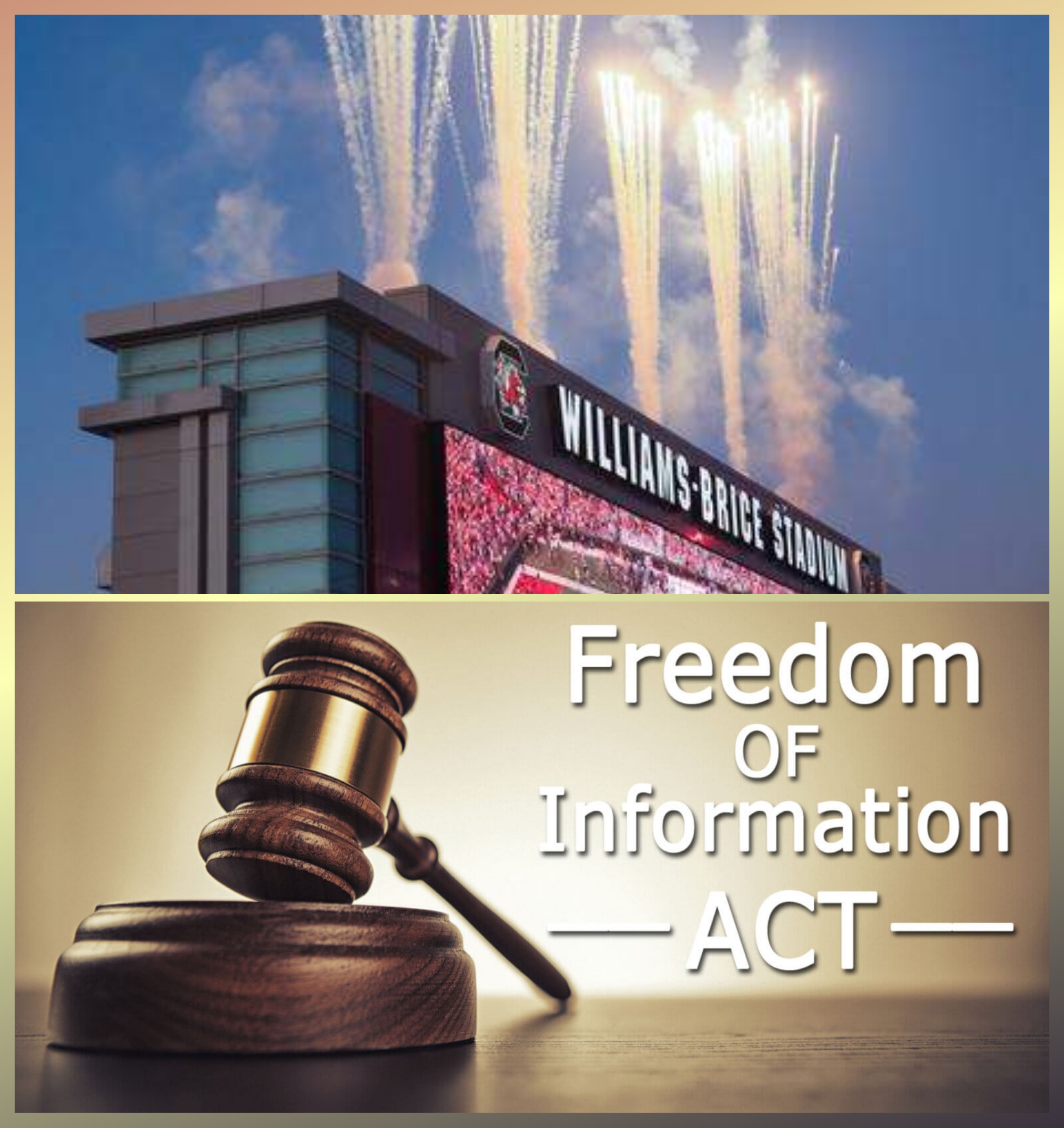
A South Carolina circuit court judge has ruled that the University of South Carolina must release certain documents connected to its athlete revenue-sharing agreements, marking the latest development in an ongoing transparency battle over how schools will distribute millions of dollars to players in coming years.
The ruling, issued October 23 by Judge Daniel Coble, came after Frank Heindel, a Charleston-based open-records advocate and former grain merchant, filed a Freedom of Information Act (FOIA) lawsuit against the university. Heindel’s legal action stemmed from USC’s refusal to release records detailing its revenue-sharing arrangement with its football team — an issue tied to a national $20.5 million revenue-sharing settlement between major universities and their athletes for the 2025–2026 seasons.
Under Coble’s new order, USC will not have to release the revenue-sharing agreements themselves, but the school must turn over a confidential affidavit previously submitted to the court. The affidavit, written by university lawyers, was originally filed to argue that USC had already fulfilled its obligations under South Carolina’s FOIA law by claiming it possessed no relevant documents responsive to Heindel’s request.
However, Judge Coble determined that the affidavit “contained no confidential or privileged information” and thus should be made public. He also required the university to provide a “general description” of another related document that remains undisclosed but stopped short of ordering its release.
Importantly, Coble clarified that his ruling did not resolve whether USC had violated FOIA law — only that the court materials used to justify the university’s stance must be accessible.
“The court is perplexed at how all of this can exist at the same time,” Coble wrote, referring to the multiple and conflicting explanations USC has given for why it cannot or will not release the records.
Throughout the legal battle, USC has offered varied defenses. The university has alternately claimed that it does not possess the requested records, that the information would violate federal student privacy laws, and that it falls under South Carolina’s new NIL (Name, Image, and Likeness) exemption protecting athlete contracts from disclosure. At a recent hearing, USC attorneys also cited the “trade secrets” exception under FOIA, arguing that releasing such documents could harm the school’s competitiveness or expose confidential financial data.
Judge Coble appeared to acknowledge some merit in that position, noting that “the trade secrets exception might well in fact apply,” though he emphasized he was not yet ready to rule on that matter.
The University of South Carolina has not yet commented on the decision, according to The State.
Jay Bender, a veteran South Carolina First Amendment and FOIA attorney, said he expects the university to continue its fight to withhold the information.
“The university is continuing to try to hide the ball,” Bender said, suggesting more hearings and legal wrangling are likely before a final decision is reached.
As the debate continues, the case highlights growing public interest in how universities will share athletic revenue under evolving NIL and pay-for-play models — and the tension between institutional secrecy and the public’s right to know how money flows through college sports.
About The Author