
Stephen Garcia’s Battle With Stage Four Colon Cancer: A Fight Fueled by Community and Positivity
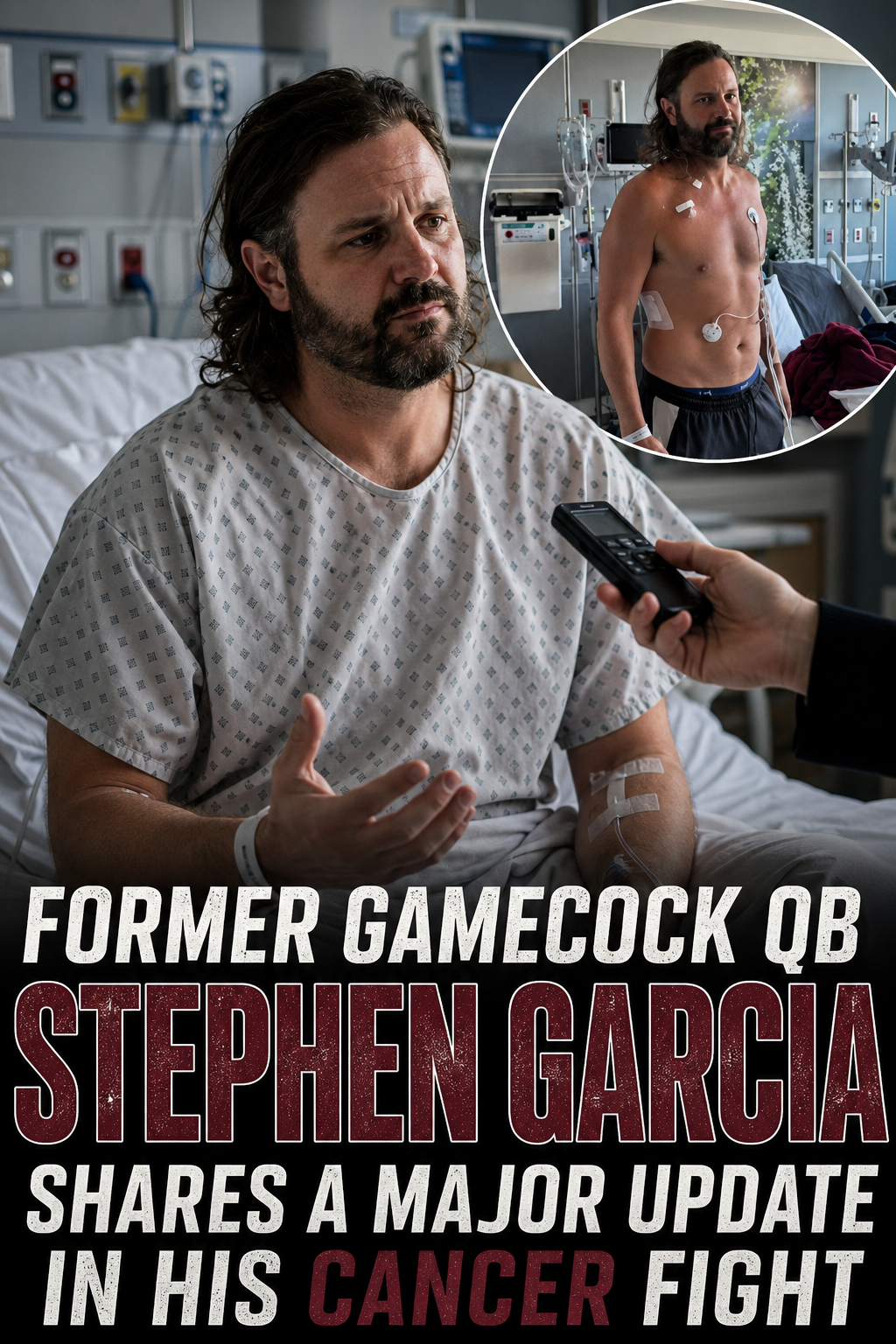
Former University of South Carolina quarterback Stephen Garcia is facing the most challenging opponent of his life — not on the gridiron, but in the cancer ward. Nearly two months after publicly disclosing his stage four colon cancer diagnosis in early May, Garcia is offering a candid look at what the fight looks like from the inside, and the message he’s sending is one of grit, gratitude, and mental resilience.
A Diagnosis That Rallied a Community
When Garcia went public with his diagnosis, the response from the sports world was immediate and overwhelming. Former athletes, fans, and the broader Gamecocks community rallied around the man who had spent five years under center in Columbia. That outpouring, Garcia says, has been a lifeline — but it has come alongside an equally exhausting reality.
“You know, this thing has been draining for everyone. You know, family, immediate family, you know, uncles, aunts, just everybody that’s been involved. It has been extremely exhausting. But the support has just been amazing.”
The raw honesty of that statement speaks to something often glossed over in feel-good recovery narratives — a serious illness doesn’t just affect the patient. It ripples outward, testing the endurance of an entire support network. Garcia’s acknowledgment of that collective burden reflects a maturity and self-awareness that goes well beyond the football field.
The Treatment and the Mental Game
Garcia is currently undergoing an aggressive treatment plan, and while details remain limited, he has been clear that the process is grueling. What stands out, however, is his emphasis on mindset as a clinical tool — not just a motivational platitude.
“My biggest piece of advice is just, like I said, staying positive. Your mind controls how you, how you operate. And if you’re negative, if you have bad thoughts, you’re going to live negatively.”
This perspective aligns with a growing body of medical and psychological research suggesting that a patient’s mental state can meaningfully influence treatment outcomes, quality of life, and even immune response during serious illness. Garcia isn’t simply offering a cliché — he’s articulating a survival philosophy that his medical team would likely endorse. For others walking a similar path, the message carries real weight: the internal battle matters as much as the clinical one.
A Legacy on the Field Worth Remembering
To fully appreciate Garcia’s story, it’s worth revisiting who he was as a player. During his time with the Gamecocks from 2007 to 2011, Garcia helped transform a program still searching for its identity into a legitimate contender. His most defining moment came in his junior year, when he quarterbacked South Carolina to its first-ever victory over a No. 1-ranked opponent — a landmark win over Alabama — while also leading the team to victories over Georgia, Florida, and Tennessee in the same season. That had never been done before in program history.
His career was not without turbulence off the field, but his contributions to South Carolina football remain a cornerstone of the program’s modern era.
Brotherhood That Extends Beyond the Final Whistle
Perhaps the most emotionally striking part of Garcia’s update is what it reveals about the bonds forged in collegiate athletics. His former teammates haven’t just offered a sympathetic comment and moved on — they’ve shown up consistently.
“It’s been, it’s been incredible. The best part about it, to be honest, Rick, is that like Melvin, Alshon, Bruce, Ace Sanders, Wesley, DeMarco… the list goes on and on, but these guys hit me up constantly. It wasn’t just when it first happened.”
That distinction — constantly, not just at the moment of crisis — is significant. It’s easy to send a text when news breaks. Sustained presence over weeks and months is far rarer, and far more meaningful. Former teammates like Melvin Ingram, Alshon Jeffery, and others have clearly maintained a brotherhood that transcends their playing days, and for Garcia, that ongoing connection appears to be as important as any medical intervention.
The Bigger Picture
Stephen Garcia’s public battle with stage four colon cancer has become something larger than one man’s health story. It’s a reminder that the gladiatorial figures we celebrate on Saturdays are vulnerable human beings — and that the communities built around sport, when functioning at their best, can become genuine networks of care and survival.
Garcia is fighting hard. And by the sound of it, he’s not fighting alone.
About The Author