Cathy Engelbert to Retire After 2026 WNBA Season
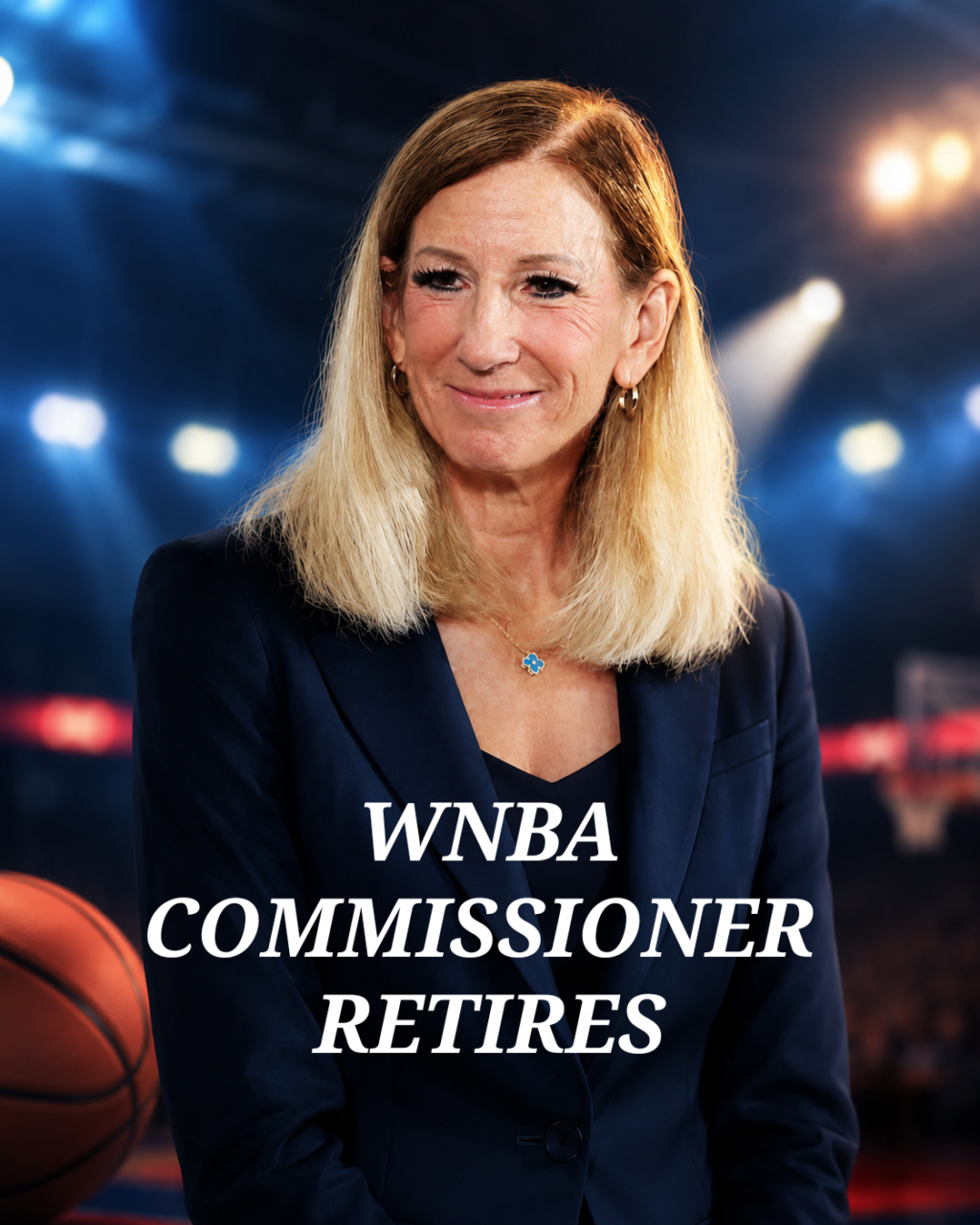
WNBA commissioner Cathy Engelbert will step down at the conclusion of the 2026 season, with her retirement becoming effective December 31. She has led the league for more than seven years, having been appointed its first commissioner in May 2019.
Engelbert characterized the timing as her own decision rather than a response to pressure from league stakeholders. She said she originally expected to serve for about three and a half years, but ultimately stayed for seven and a half. She described the current moment as an appropriate point to leave because several major business objectives have been achieved, including a new collective bargaining agreement, a long-term media rights agreement and significant expansion of the league.
“The 7½ years exceeded that time.”
A period of unprecedented growth
Engelbert leaves after overseeing an extraordinary expansion of the WNBA’s business and cultural profile. During her tenure, the league secured media rights agreements valued at approximately $3.1 billion, expanded its schedule to a record 50 games and set plans for the league to reach 18 markets by 2030.
The financial value of WNBA franchises has also increased dramatically. The average franchise was valued at roughly $10 million in 2019; by 2026, that figure had risen to about $460 million.
Her tenure also included two collective bargaining agreements. The newest agreement, reached in March following difficult negotiations with the players’ union, introduced the WNBA’s first $1 million salaries and a comprehensive revenue-sharing system.
Leadership criticism and league tensions
Despite the league’s commercial success, Engelbert’s leadership became increasingly controversial during the latter part of her tenure.
The article points to criticism from players, particularly following comments from Napheesa Collier, who accused Engelbert of being “negligent” in her governance and described the WNBA as having the “worst leadership in the world.” Those remarks received substantial support from other players.
Sources within the league subsequently described continuing frustration with Engelbert’s relationships with players, owners and senior management. Concerns included what some viewed as a reactive response to problems such as officiating controversies and online harassment directed at players.
Communication and accessibility between the league office and teams were also cited as ongoing difficulties.
Engelbert’s explanation for leaving
Engelbert strongly maintained that she chose to retire voluntarily and did not feel pushed out.
“When I first came to the league I intended to do this for 3½ years.”
She also revealed that she has been developing a succession plan for several years. The league has both internal and external candidates under consideration, although no specific names were disclosed.
On player safety and other controversies, Engelbert said online attacks against WNBA players are unacceptable and supported efforts to protect them. She also stated that there are currently “no current eligibility issues in the WNBA” concerning transgender participation.
Her own assessment of the legacy
In announcing her retirement, Engelbert emphasized the growth of women’s basketball and the players’ role in driving it.
“It has been amazing to watch WNBA players thrive and lead the massive cultural surge around women’s sports.”
She said she was leaving with confidence that the league had become stronger and more sustainable:
“I retire knowing we have built something bigger, stronger and more enduring than we could have imagined.”
Engelbert also expressed gratitude toward the league’s owners, employees, players, investors and fans, ending her statement with optimism about what comes next:
“I retire with immense gratitude and tremendous optimism for the future of the WNBA, with the best yet to come.”
Relationship with the players
Engelbert acknowledged that conversations with players had sometimes been difficult but argued that those challenges ultimately strengthened the league.
In a letter to WNBA players, she thanked them for helping guide the organization through its transformation.
“Those conversations were not always easy, but they were essential. You made this league stronger, and you made me a better leader.”
Breanna Stewart, a New York Liberty forward and member of the WNBA players’ union executive committee, also credited Engelbert with the league’s accomplishments while acknowledging that the CBA negotiations were difficult.
“What she’s done for the league is incredible.”
Stewart said the outcome of the negotiations was ultimately important for both sides and expressed happiness for Engelbert as she prepares to leave.
Other major moments during her tenure
Engelbert also played a key role in ensuring that the 2020 WNBA season went ahead during the COVID-19 pandemic. The entire season was conducted in a controlled bubble environment in Bradenton, Florida, a period Engelbert later described as an “existential” moment for the league.
NBA commissioner Adam Silver praised Engelbert’s tenure, emphasizing the scale of the WNBA’s transformation during her time in charge.
“Cathy has presided over the WNBA through the most significant period of growth in the league’s 30-year history.”
Bottom line
Engelbert’s departure marks the end of one of the most consequential eras in WNBA history. Her tenure produced enormous commercial growth, major media and franchise-value increases, expansion, landmark labor agreements and record player compensation. At the same time, her final years were marked by criticism over leadership style, communication, officiating issues and the league’s handling of player harassment.
The next commissioner will inherit a dramatically larger and more valuable league—but also one facing higher expectations from players, teams and fans. Unless the leadership structure changes, the new commissioner will continue to report to NBA commissioner Adam Silver.
About The Author