
Trump Administration Directs $1.34 Billion Boost to HBCUs in Historic Education Funding Shift
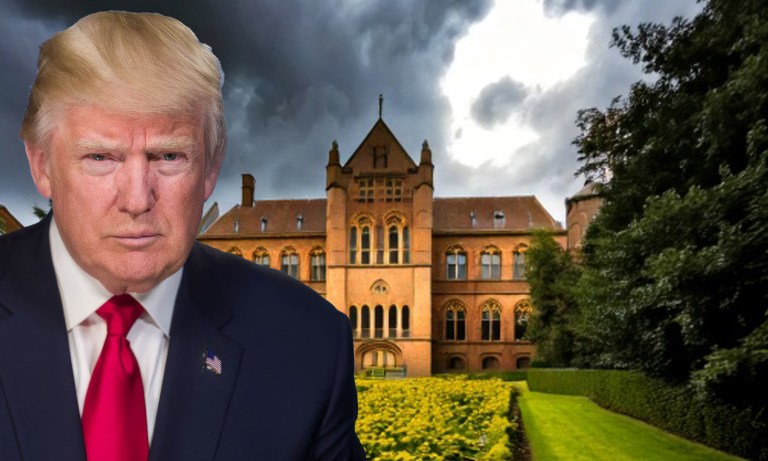
Trump Administration Unveils Major Education Funding Boost for HBCUs
The Trump Administration announced a sweeping education investment this week, and for Historically Black Colleges and Universities (HBCUs), the news is historic. The U.S. Department of Education confirmed that HBCUs will receive more than $1.34 billion in funding for fiscal year 2025, which includes a one-time $495 million boost. This represents a 48.4 percent increase compared to previously projected levels.
HBCU Gameday issued a correction following the news, clarifying that earlier reports suggesting cuts to HBCUs were inaccurate. Instead, Monday’s release confirmed that HBCUs will see expanded federal support, while some discretionary Minority-Serving Institution (MSI) programs tied to race-based eligibility will be eliminated or repurposed.
What the Administration Announced
According to Secretary of Education Linda McMahon, the Department is reallocating federal resources under its discretionary authority to prioritize programs that “support merit and excellence in education.”
The announcement outlined three primary funding priorities:
- Charter Schools: $500 million in grants, marking the largest investment in the program’s history.
- HBCUs and TCCUs: $1.34 billion directed to HBCUs, plus $108 million for Tribally Controlled Colleges and Universities, bolstered by the $495 million increase.
- American History and Civics Education: More than $160 million for grants tied to America’s upcoming Semiquincentennial celebration.
For HBCUs, this level of investment comes at a critical time, as many institutions are facing challenges such as enrollment pressures, outdated infrastructure, and increasing demand for career-focused academic programs.
Policy Shifts in Federal Higher Education
Thursday’s release also confirmed a major policy shift: several long-standing MSI discretionary programs will be discontinued due to constitutional concerns over race-based eligibility requirements. Programs historically serving Predominantly Black Institutions, Hispanic-Serving Institutions, and Asian American and Native American Pacific Islander-Serving Institutions are among those affected.
The Department cited a July opinion from the Solicitor General, which concluded that such quota-based initiatives violate Fifth Amendment equal-protection guarantees.
Unlike those programs, HBCU funding is not tied to enrollment quotas, which allowed the institutions to avoid cuts and instead receive increased financial backing.
What It Means for HBCUs
For the nation’s more than 100 HBCUs, the announcement promises transformative opportunities. The additional funding could support upgrades to facilities, expansion of academic offerings, and enhancements to student services.
HBCUs remain vital in producing Black professionals across disciplines, from STEM to law, education, and the arts. Supporters argue that this infusion of resources acknowledges their continued national importance.
However, critics warn that eliminating funding streams for other minority-serving institutions could create inequities, leaving students of color outside of HBCUs with fewer resources and opportunities.
Correcting the Record
HBCU Gameday acknowledged its earlier mistake, having previously reported that HBCUs were among those facing discretionary cuts. “Today’s official release makes clear that HBCUs, in fact, stand to gain significantly,” the outlet noted, adding that it will continue to monitor how the funds are distributed and the long-term impact on campuses nationwide.
About The Author